
Close

Free Shipping
14-Days Returns
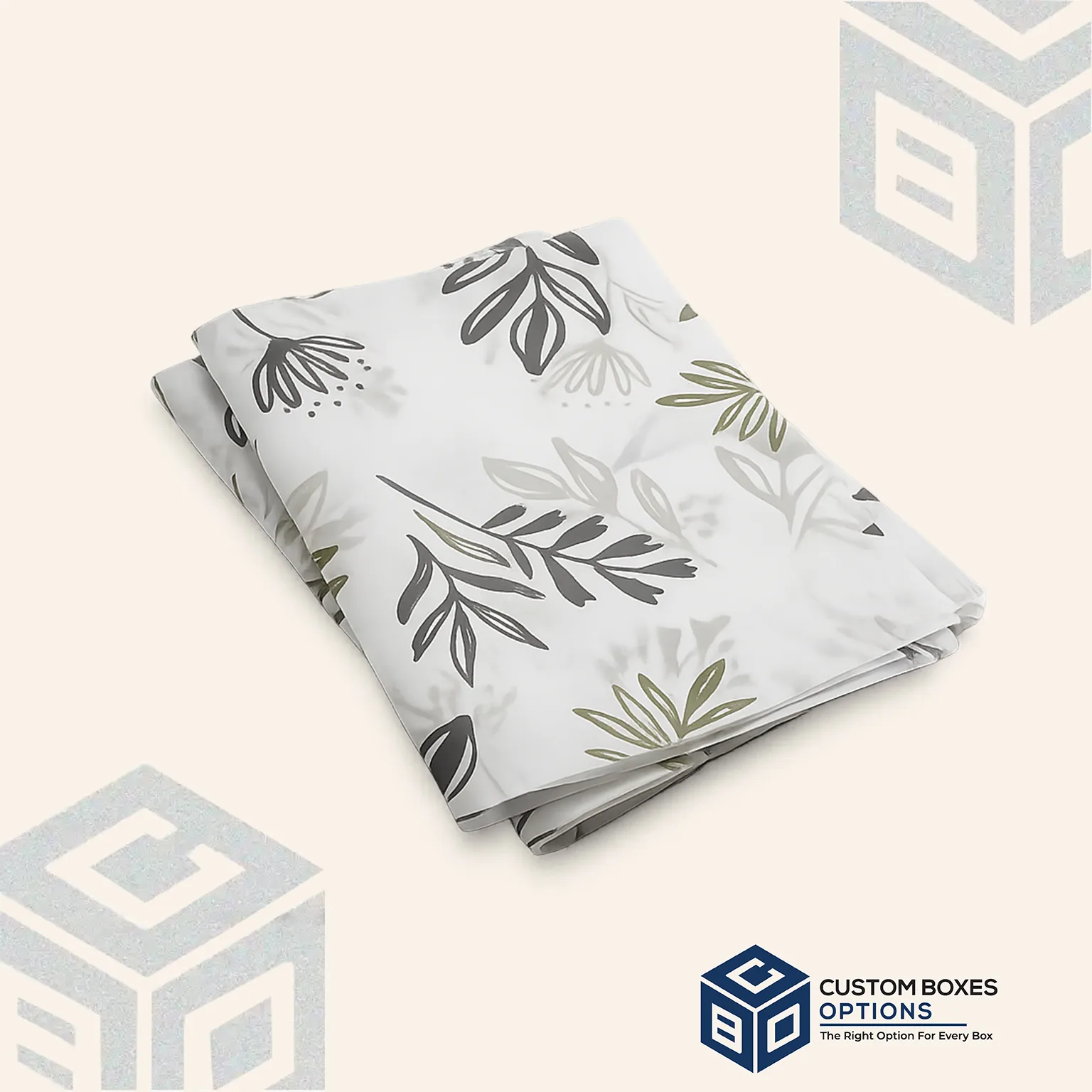
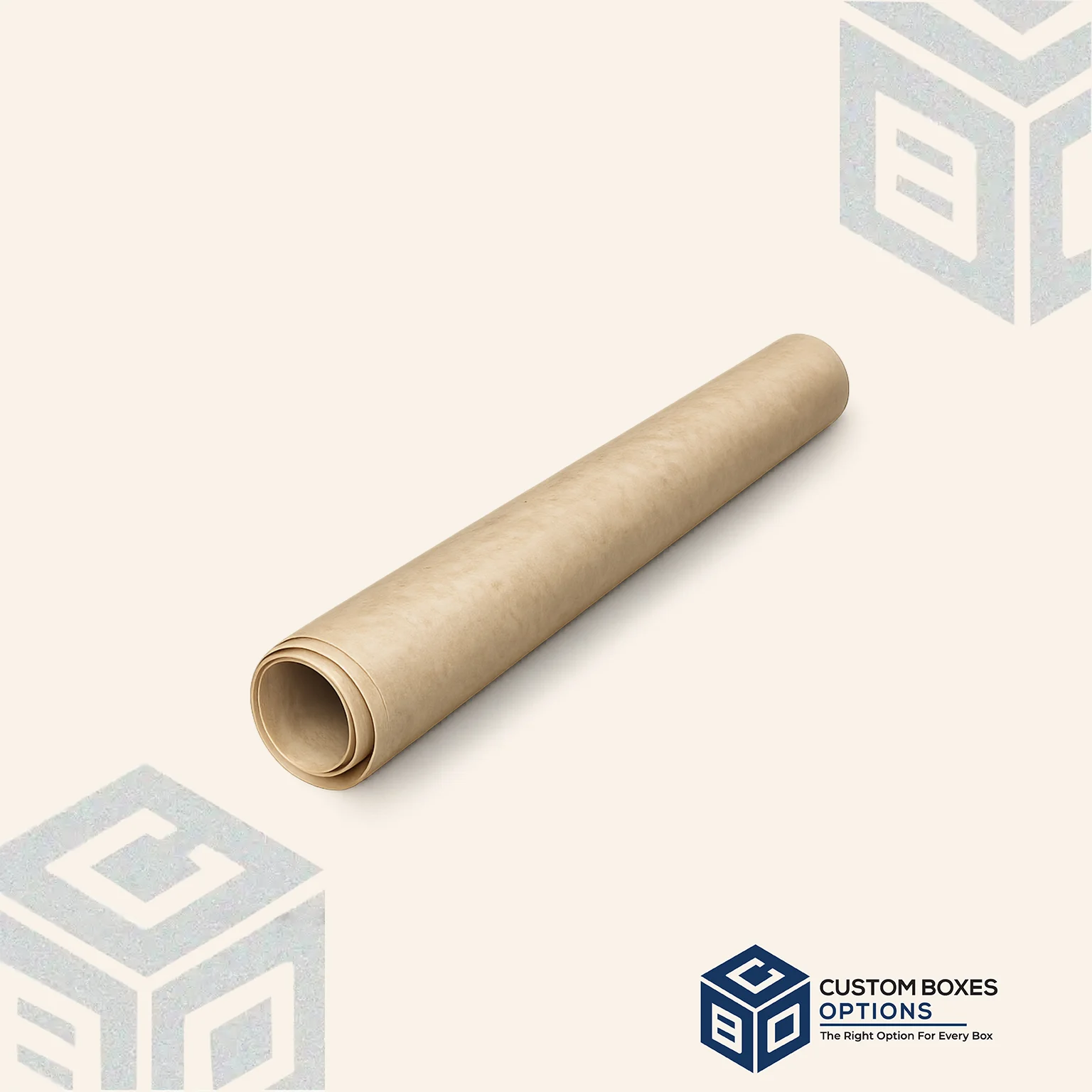
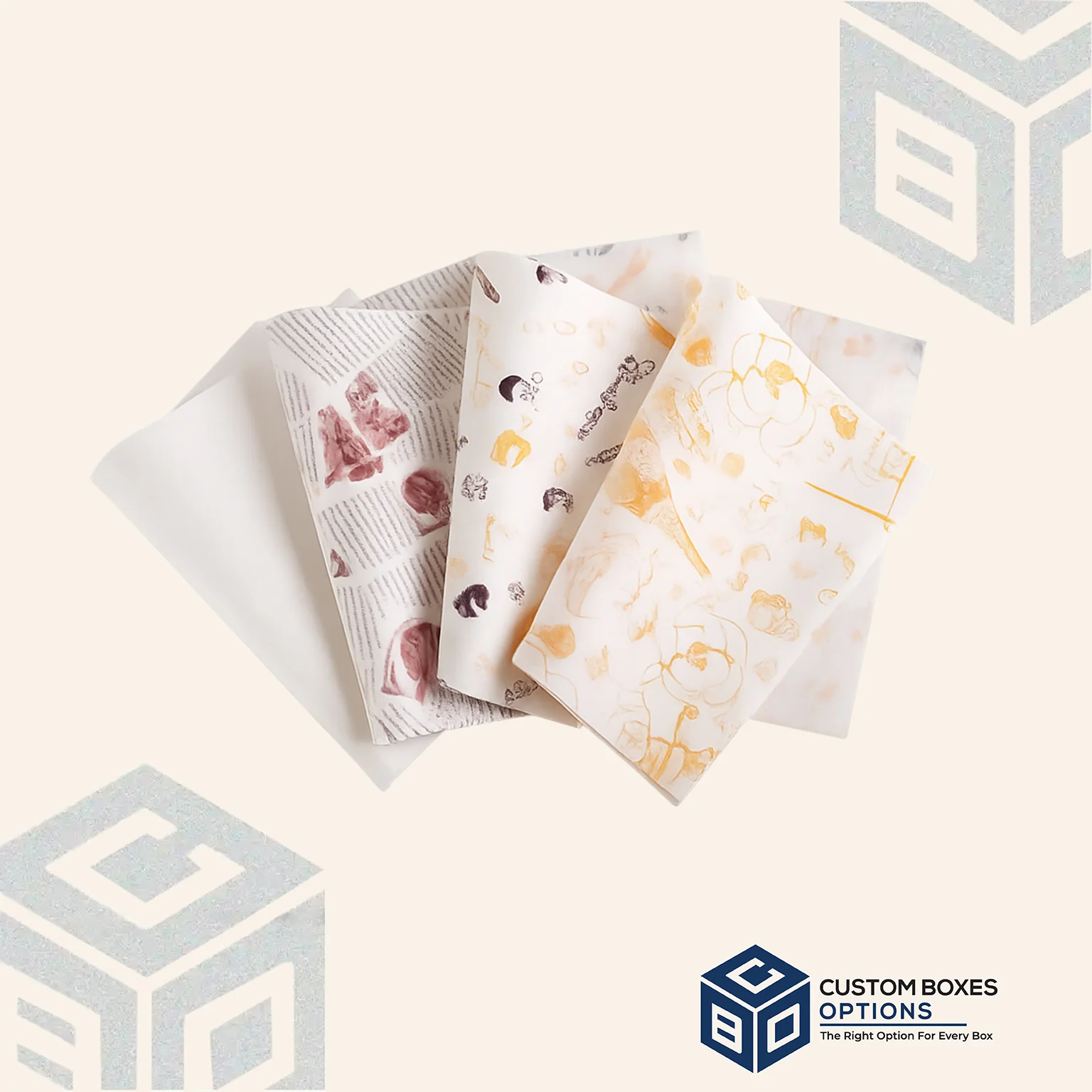
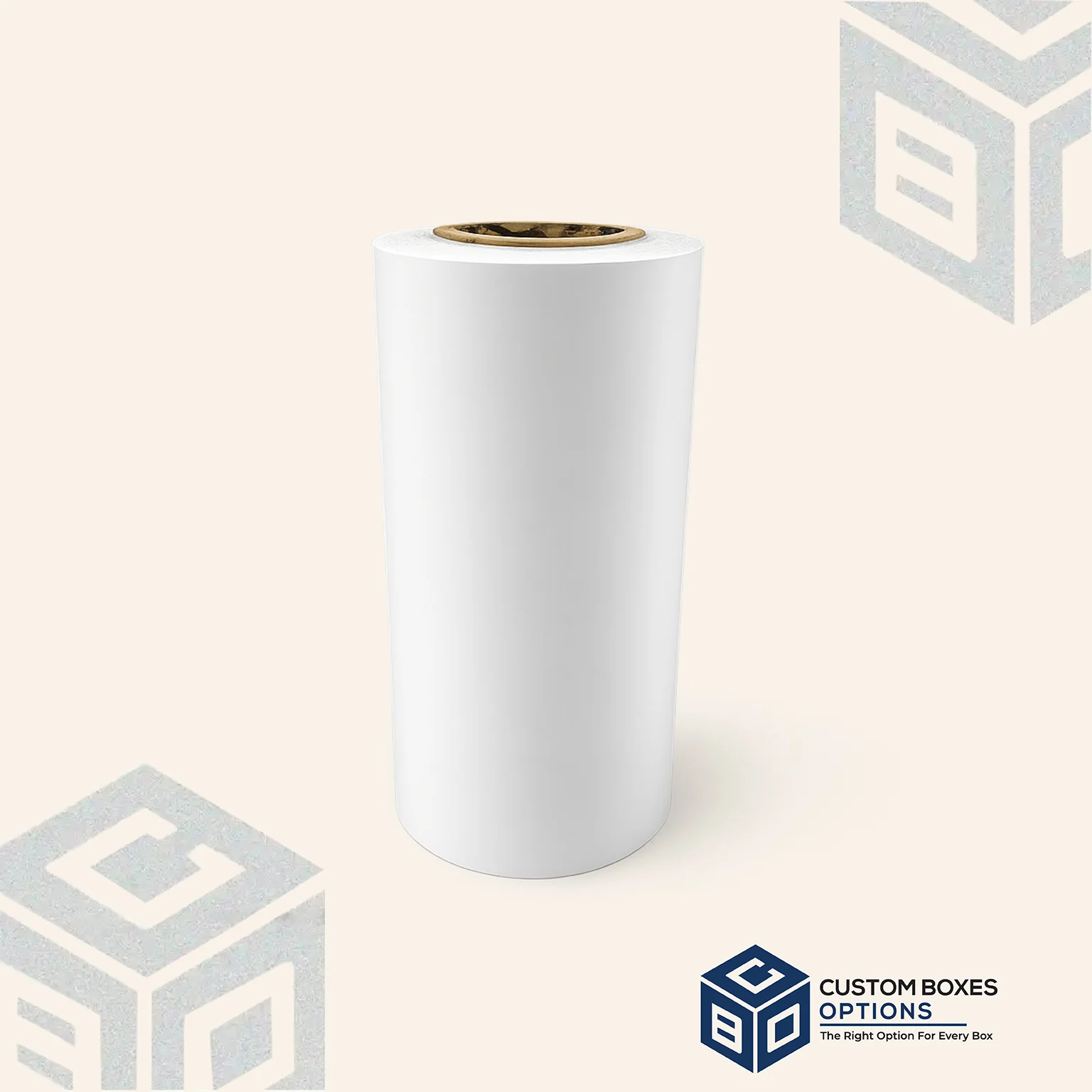
Recycled Tissue Paper is the sheet customers touch first and photograph most. It also carries a sustainability claim, which means the specification has to hold up if anyone asks. We supply tissue with verified post-consumer recycled content, acid-free so it will not yellow textiles or tarnish metal, printed with soy-based inks that stay put. Available in natural, white, and dyed colors with bleed-resistant treatment for damp climates. Sheet sizes run from small pouch inserts to full apparel wraps. Our eco-friendly packaging supplier team confirms the recycled percentage in writing rather than in marketing language. Request free physical samples before you order.
Free Shipping
Free Design Support
Starting from:
$1.00 Original price was: $1.00.$0.50Current price is: $0.50.
In Stock
Most grades in our custom-printed papers are judged on performance. Recycled Tissue Paper is judged on something else as well: whether the sustainability claim printed alongside it is accurate. Consumers scrutinize eco messaging far more closely than they did five years ago, and vague wording invites the kind of attention no brand wants.
So this page covers what the terminology actually means before it covers anything else.
These are both legitimately called recycled, and they are not remotely equivalent.
Post-consumer waste (PCW) is material that reached an end user, was used, and was then recovered, such as office paper, packaging, and printed matter that would otherwise have gone to landfill. This is a meaningful number because it represents material genuinely diverted from disposal.
Pre-consumer waste is manufacturing offcuts and trim that never leave the mill. Reusing it is sensible practice, but it is closer to standard efficiency than to recycling, and it would likely have been reprocessed regardless.
A supplier quoting “100% recycled” without breaking out the PCW percentage is telling you very little. Ask for the split, and put the specific figure on your packaging rather than an unqualified claim.
This one is firm and worth stating plainly. Recycled fiber streams routinely contain newsprint and previously printed board, which carry mineral oil residues from conventional inks. Those residues migrate into food through paper.
That is why recycled content is restricted or excluded in direct food contact grades. If your tissue touches unwrapped food, this is not the product. Custom Food Paper sets out the compliance requirements, and certified virgin or compostable grades are the appropriate route. Recycled tissue belongs in retail, apparel, and gift applications where no food contact occurs.
Recycled pulp carries residual lignin, and lignin turns acidic as it degrades. Acidic tissue does two things over time: it yellows and embrittles itself, and it attacks whatever it is wrapped around.
For a gift opened next week, irrelevant. For anything stored, wedding textiles, archival prints, silver and costume jewelry, acidic tissue causes yellowing on fabric and visible tarnish on metal within months. Specify acid-free and lignin-free if your product sits in storage or if customers keep the packaging.
Dyed tissue bleeds when damp. A colored sheet against a white garment in a humid warehouse, or in a customer’s bag on a wet day, can transfer dye permanently.
Bleed-resistant treatment solves it, but it must be specified rather than assumed. If your product is a pale-colored textile, this is the question to ask before choosing a bold sheet color.
Tissue runs light, typically 17 to 22gsm. The lighter end drapes softly and rustles the way customers expect from premium wrapping. Heavier stock holds structure better for stuffing and void fill but loses that soft-fold quality.
Sizes should track your products, not a standard template. Apparel wraps need considerably more sheet than jewelry pouch inserts, and oversizing is the most common source of waste in this category.
Recycled fiber is inherently less uniform than virgin pulp, giving slightly more absorbent and variable print reproduction. Simple, bold artwork handles that well. Fine gradients and precise color matching are harder to guarantee sheet to sheet.
We print with soy and water-based inks, which are the right choice both environmentally and practically here.
Tissue is one layer of a sequence. Retailers typically pair it with Custom Mailer Boxes for shipped orders, Custom Gift Boxes for presentation, and a branded seal from Custom Stickers and Labels to close the wrap. Florists layer it beneath Flower Bouquet Paper, and outer protection usually falls to Custom Kraft Paper.
Sourcing across the sequence from one team of custom packaging experts keeps the color consistent from tissue to box to sticker. Request a free quote and physical samples for your Recycled Tissue Paper, and we will confirm the PCW percentage and treatment against your product first.

Reviews
There are no reviews yet.