
Close

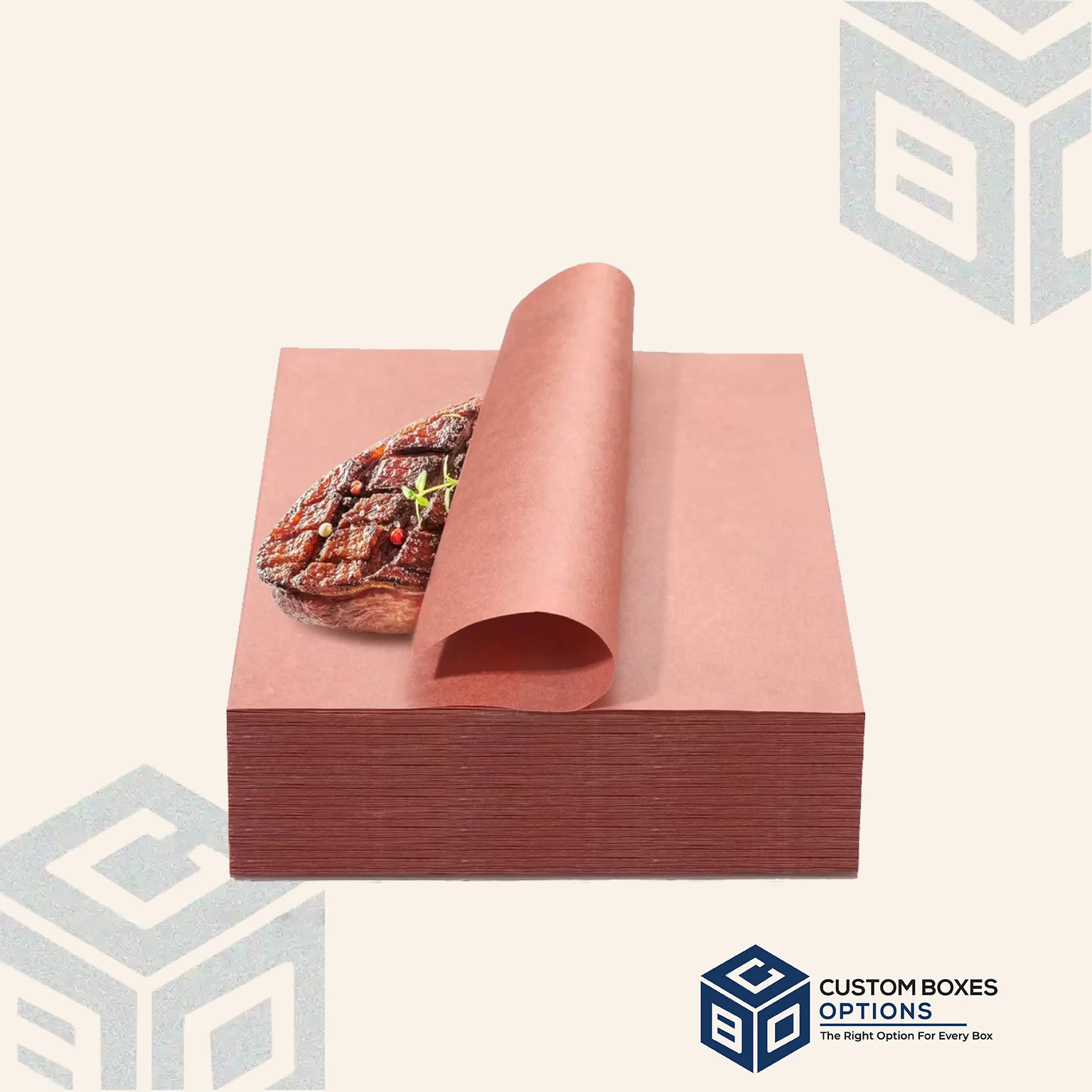
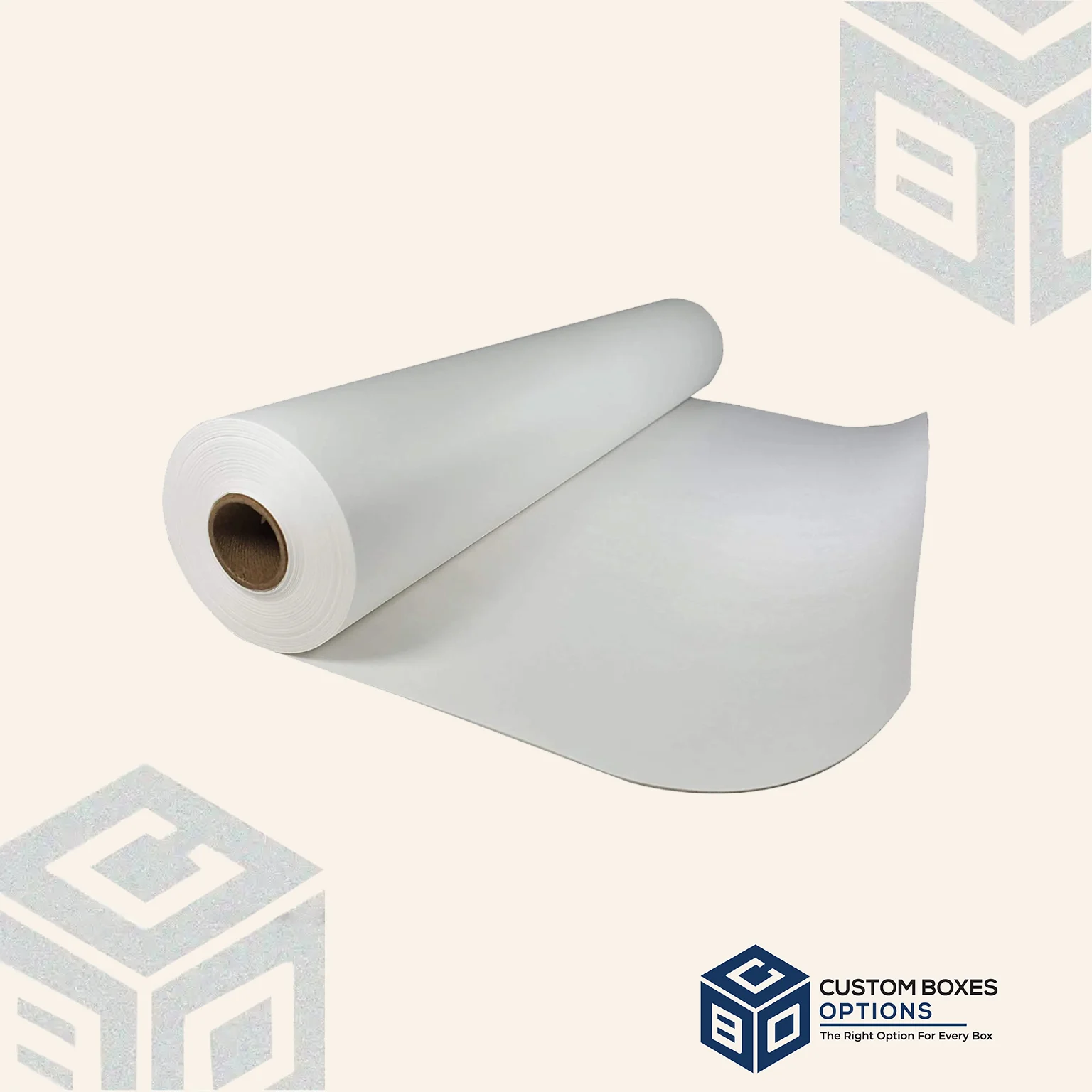
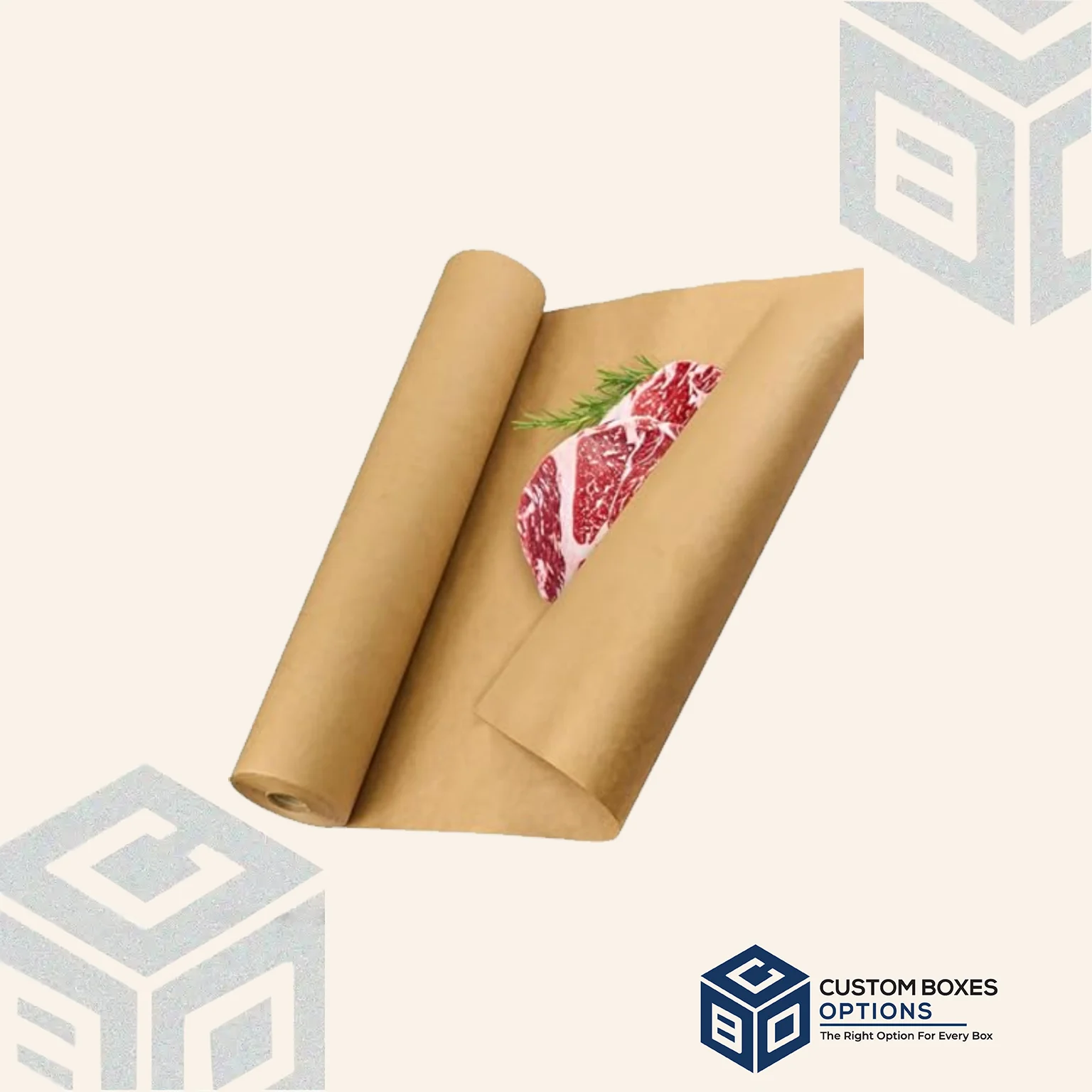
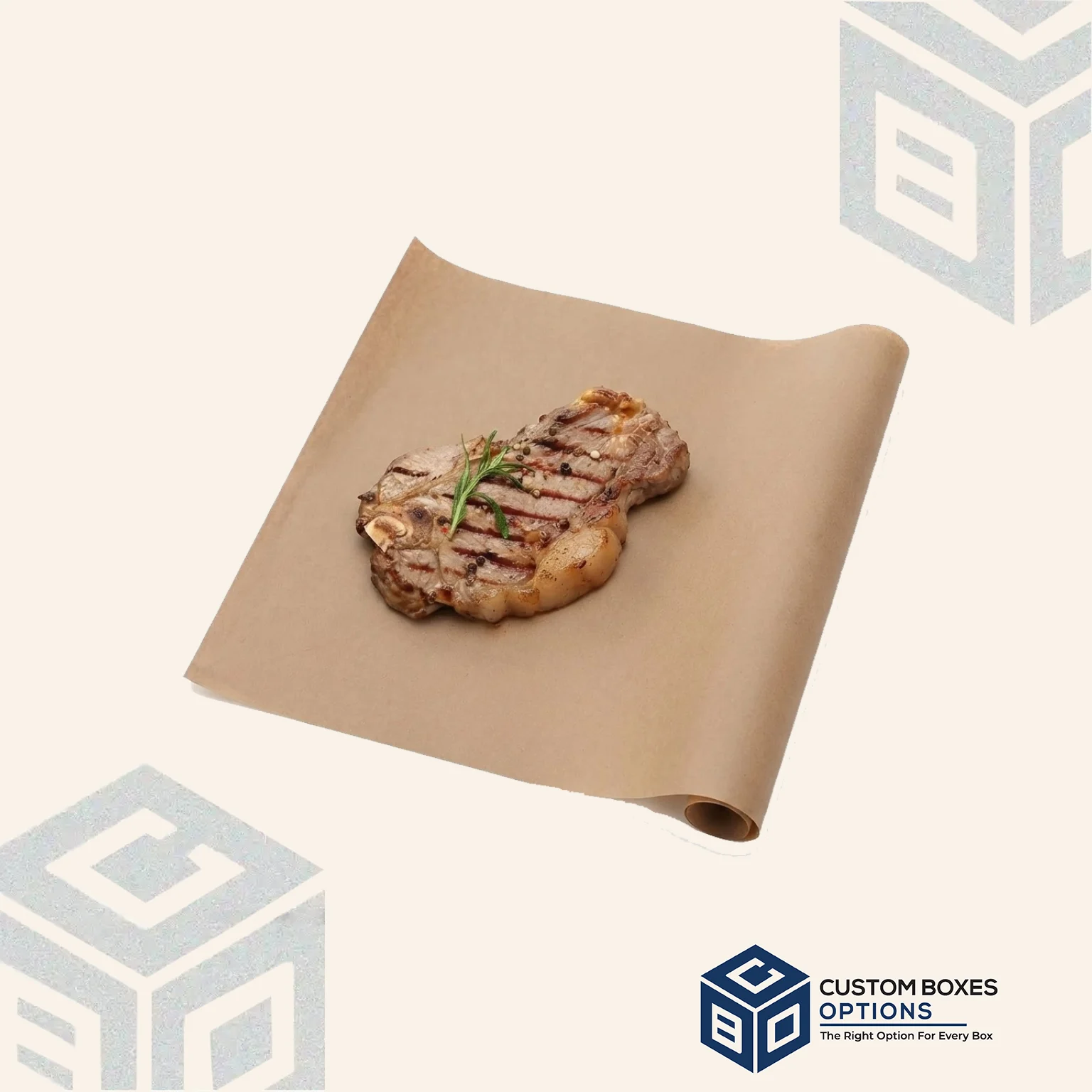
Custom Butcher Paper is the rare food paper that works because it breathes. Meat needs airflow to hold color and avoid sweating, which is exactly why coating it in wax or plastic works against you. We supply untreated, peach-treated, and lightly waxed grades so you can match the paper to the cut and the counter. Pitmasters use it for the Texas crutch, butchers use it for display and wrap, and both need it printed cleanly with a shop logo. As a custom packaging and printing company working with meat counters nationwide, we specify by application. Request free samples first.
Free Shipping
Free Design Support
Starting from:
$1.00 Original price was: $1.00.$0.50Current price is: $0.50.
In Stock
Almost every other food paper on this site is judged on how well it blocks something. Custom Butcher Paper is the exception. Its entire value comes from letting moisture vapor pass through, and understanding that inverts most of what you’d assume about a good wrap.
Seal fresh meat in a non-porous wrap, and moisture condenses against the surface. That trapped water turns the exterior slick, dulls the color, and accelerates the sweaty appearance that makes a cut look older than it is. Custom-printed papers make your food packaging a part of your marketing.
Porous butcher paper lets that vapor escape while still absorbing surface liquid into the fiber. The result is meat that holds its bloom longer in a display case and doesn’t arrive at home swimming in its own juice. This is precisely why plastic wrap and butcher paper serve different purposes rather than substituting for each other.
Butcher paper is regularly confused with wax paper, including by suppliers who should know better. They are not the same product, and they behave in opposite ways.
Wax paper carries a surface coating that blocks moisture. Butcher paper is fundamentally a kraft sheet chosen for its porosity. If your supplier describes wet wax paper as butcher paper, you’re being sold the wrong thing for a display counter or a smoker.
Butcher paper handles raw and smoked meat. It isn’t the answer everywhere else in a food operation.
For fried and oily foods, Custom Greaseproof Paper is the right specification, since butcher paper’s porosity works against you there. Sandwich and deli counters wrapping finished product are better served by Custom Deli Paper and Custom Sandwich Paper, and cheese counters need Custom Cheese Paper, which is engineered to breathe at a different rate than meat requires.
Where butcher paper genuinely earns its place is raw cuts, whole-animal work, barbecue, and anything moving from a case to a customer’s hands the same day.
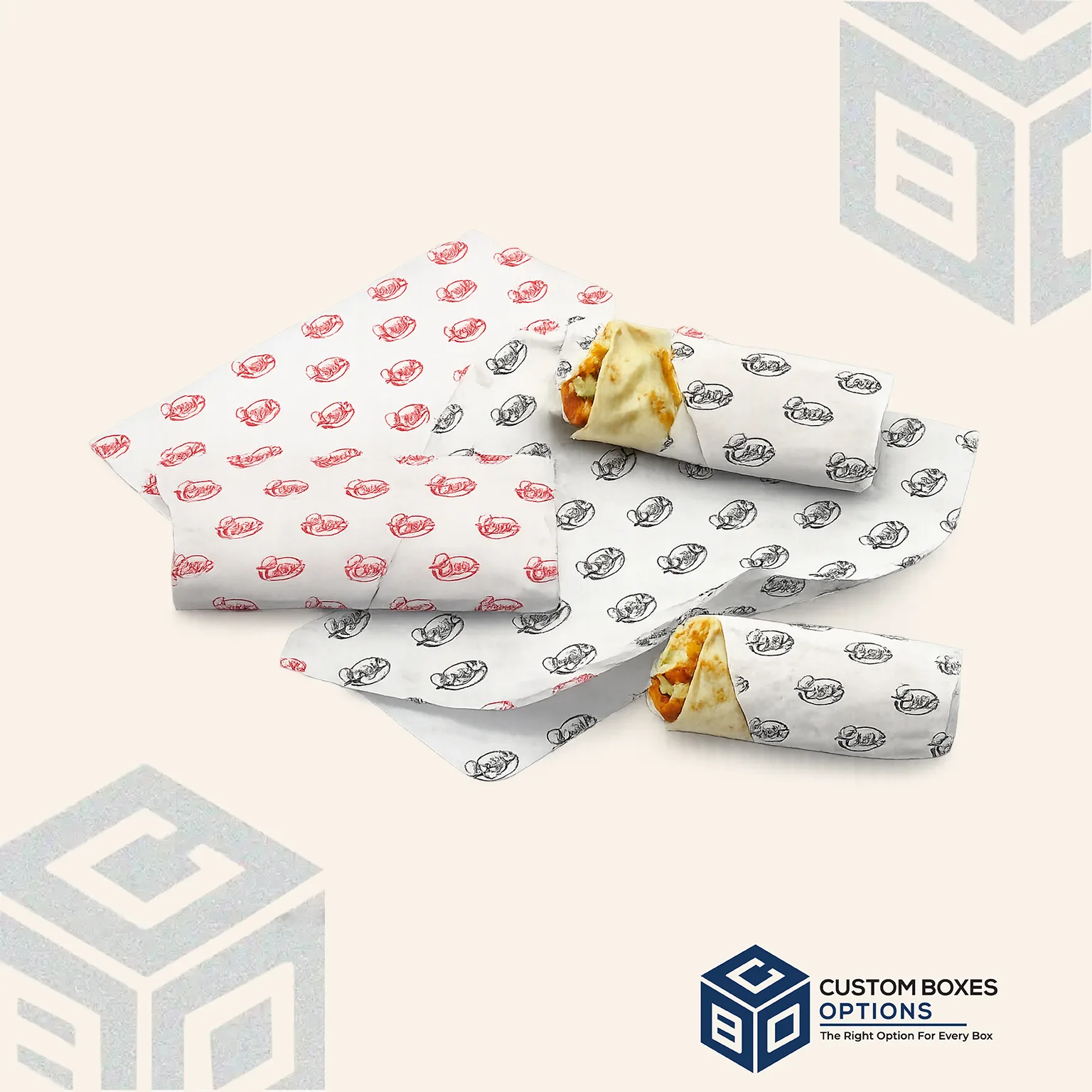
Butcher paper prints well because the uncoated surface accepts ink readily — an advantage over treated stocks that resist adhesion. Water-based, food-safe inks are standard in 1-color, 2-color, or full CMYK.
Rolls dominate this category. Standard widths run 15″, 18″, 24″, 30″, 36″, and 40″, with custom widths available. High-volume butcher shops and barbecue operations generally run 18″ or 24″ from a bench dispenser, while whole-animal work needs the wider stock.
Pre-cut sheets suit smaller counters and catering setups where speed matters more than roll economy.
Shops selling smoked and prepared products alongside raw cuts typically pair butcher paper with Custom Food Boats for tray service and Custom Takeaway Boxes for hot orders. Barbecue operations running a full menu often extend the same print treatment across Custom Sandwich Boxes and Custom Coffee Cups, so the counter reads as one brand.
Ordering the whole set through one packaging and printing company keeps your logo color consistent across paper, board, and label instead of drifting between suppliers. Request a free quote and physical samples for your Custom Butcher Paper, and we’ll confirm grade and roll width against your application first.
Elise –
The boxes combined durability with an attractive design, creating a great first impression.