
Free Shipping
14-Days Returns
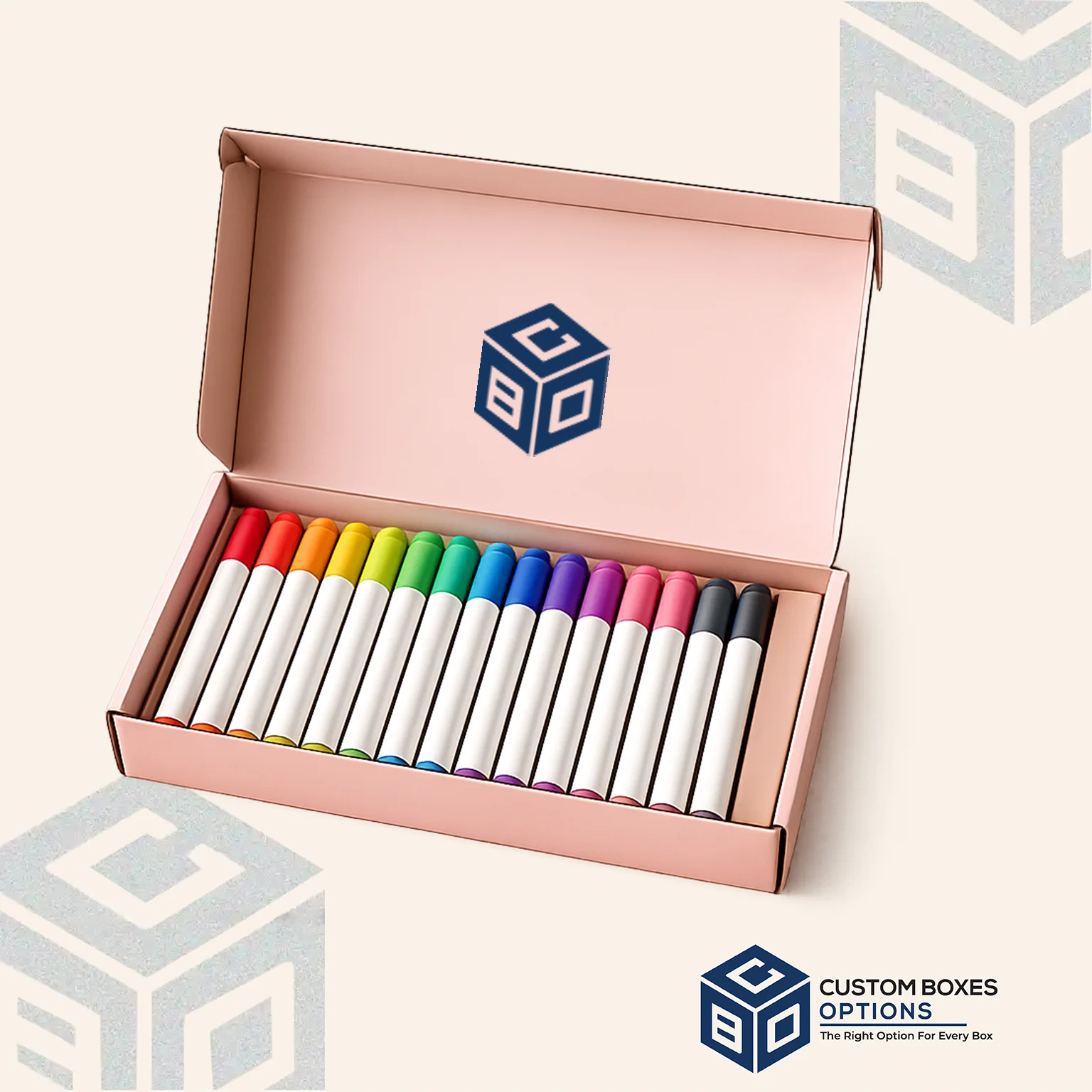

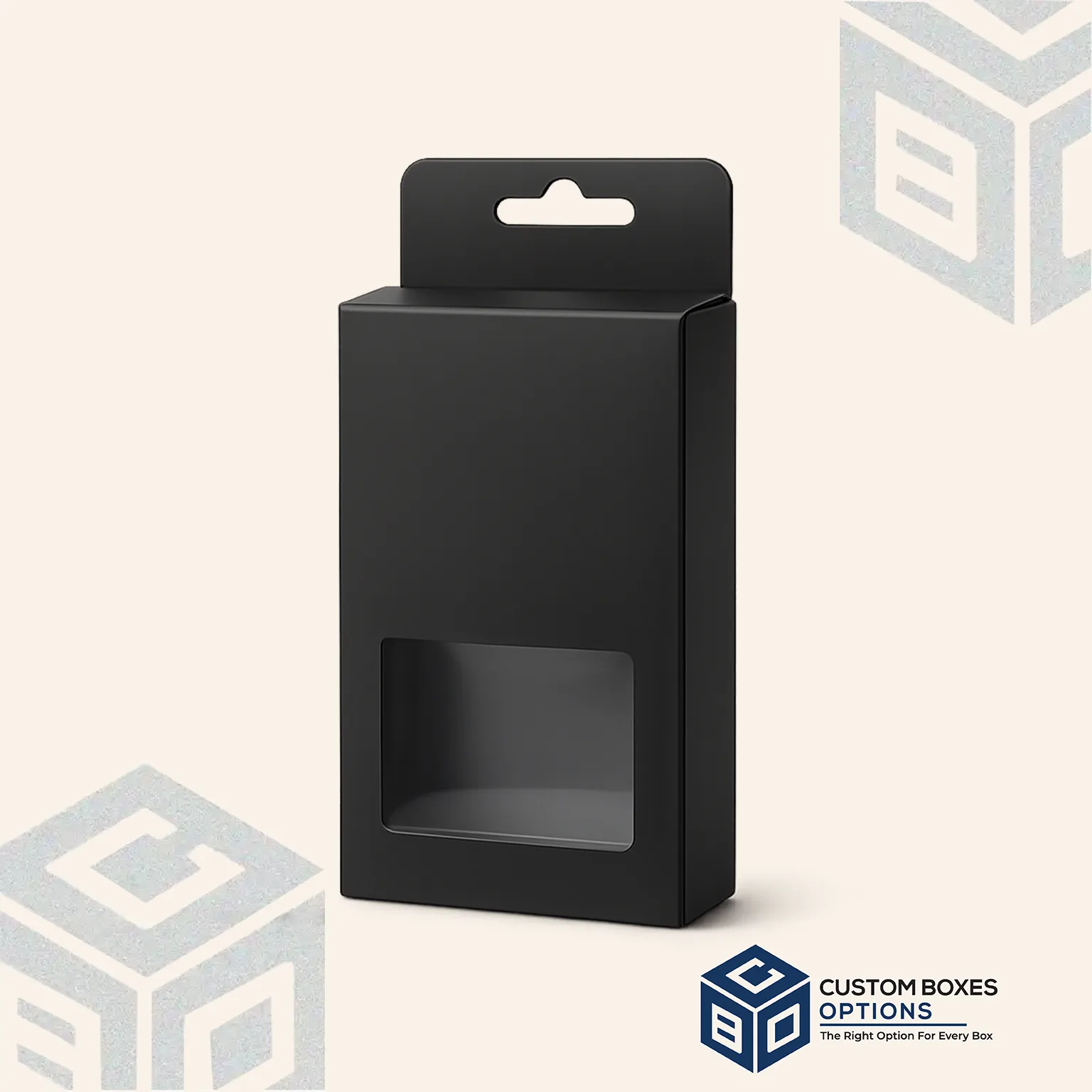
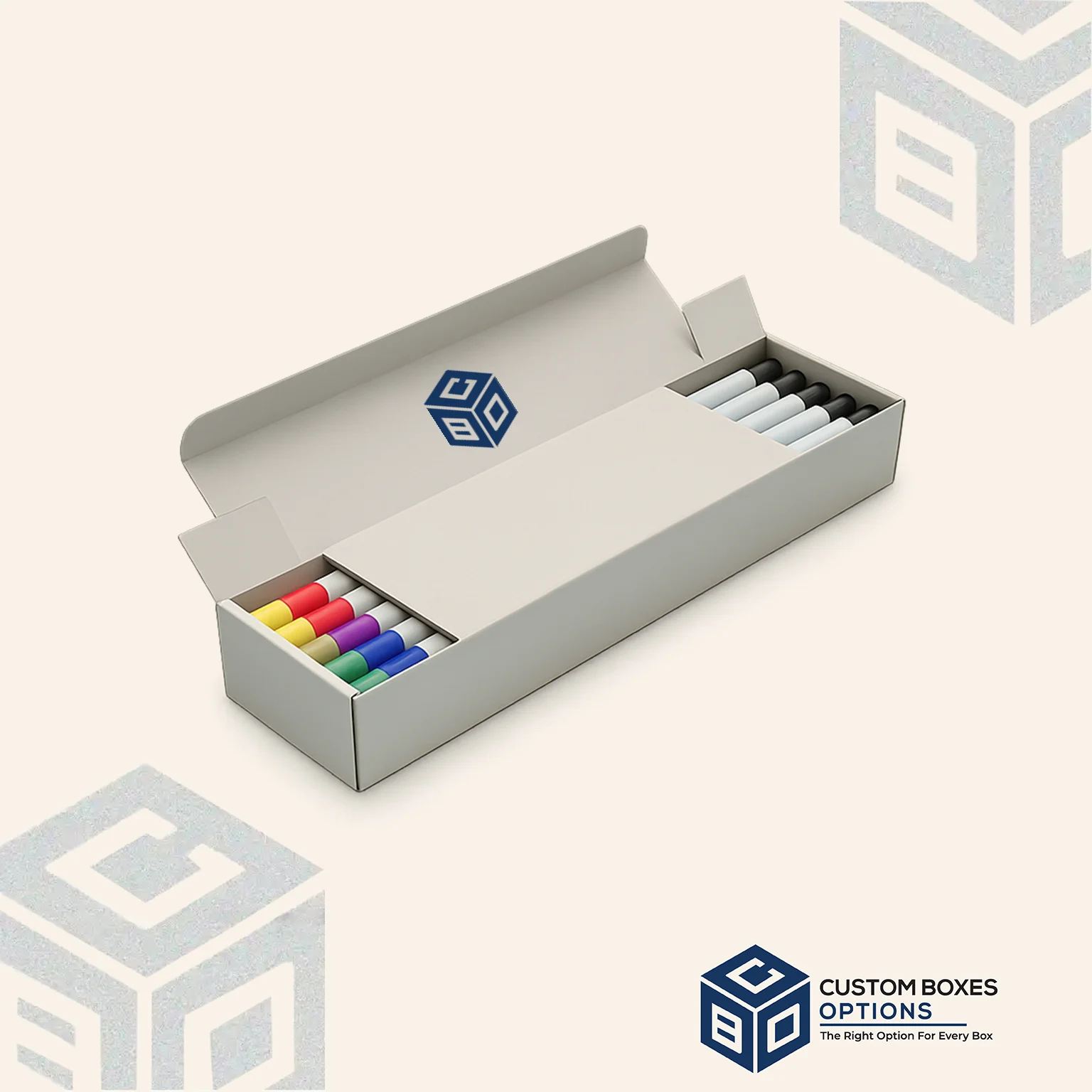
Custom Marker Boxes have a print problem that no other packaging faces: the swatches on the box have to match the ink inside. CMYK cannot reproduce fluorescent colors at all, so a highlighter set printed conventionally will show muted approximations of the neon shades a customer expects. We print swatches in spot and fluorescent inks matched to your actual barrels. Markers also need holding, not stacking, so fitted inserts stop them from rolling loose in transit. Art material labeling space is built in as standard. Our stationery packaging manufacturer team matches swatch colors against physical marker samples before the first print run.
Free Shipping
Free Design Support
Starting from:
$1.00 Original price was: $1.00.$0.50Current price is: $0.50.
In Stock
| Shipping | 07-14 Business Days, Rush |
|---|---|
| Paper Stock | 10pt to 28pt (60lb to 400lb) Eco-Friendly Kraft, Bux Board, Cardstock, E-flute Corrugated |
Nothing else in our custom retail box range is held to this standard. A customer picks up a 24-color marker set, looks at the swatches printed on the box, and buys it, expecting those exact colors. Custom Marker Boxes are judged against the product they contain, panel to barrel. That comparison is harder to win than it sounds.
Four-color process printing has a fixed gamut, and a meaningful share of marker colors sit outside it.
Fluorescents are the clearest example. Neon yellow, hot pink, and electric green work by re-emitting light, which no combination of cyan, magenta, yellow, and black can simulate. A highlighter set printed in CMYK shows muted, chalky versions of colors that the customer can see are wrong the moment they open the pack.
Deep, saturated blues and vivid oranges are also difficult, reproducing duller in process than in the marker itself.
The fix is spot color. Fluorescent and Pantone inks are mixed rather than built, so they reproduce the actual shade. Each additional spot color costs a print unit, which is why 12-color sets are frequently printed with a few representative spots plus process for the rest.
Send us physical markers, not hex values. We match against the barrel.
Markers sold in the US fall under art material rules requiring toxicological review and a conformance statement referencing the relevant ASTM standard on the packaging. Products carrying chronic hazards need cautionary labeling; those that don’t typically display a certification seal.
Sets aimed at children under 12 bring an additional layer, with tracking label requirements matching those on our baby product packaging.
One honest limit: we are a printer, not a compliance advisor. We build the panel space and print what you supply, but the conformance statement and any seal usage should be confirmed with your certifying body before printing.
This is the detail that surprises brands.
Marker ink sits in a reservoir feeding the nib by capillary action. Stored nib-up for months, gravity draws ink away from the tip, and the marker reads dry on first use despite being full. Manufacturers commonly recommend horizontal storage for exactly this reason.
A tray insert holding markers upright with nibs skyward is working against the product across a long retail shelf life. Horizontal die-cut cradles avoid it, using the same tooling approach as our fitted insert formats.
Worth checking with your ink supplier which orientation your formulation prefers before we cut the tray.
Alcohol- and solvent-based markers can leak, and those solvents are aggressive.
A leaked marker will lift conventional printing ink, soften some carton adhesives, and stain uncoated board irreversibly. For solvent-based lines, specify solvent-resistant adhesive and a coated interior rather than raw board.
Water-based and children’s markers carry far less risk here, which is one more reason classification matters before quoting.
A single marker line sold in 6-, 12-, 24-, 48-, and 60-count sets is five cartons, five inserts, five swatch layouts, and five barcodes, before you add seasonal or retailer-exclusive counts.
The efficient route is one carton family with a shared design language and variable panel data, rather than five unrelated designs. Count and barcode belong on applied labels where they change between runs.
Singles and impulse counts are sold from counter display units, and professional sets are sold in rigid boxes, where the box is part of the purchase.
Many marker sets convert: the lid tears away or folds back, and the base becomes a desktop stand holding markers angled for selection. It’s a strong feature and cheap to add at the die stage, but it needs planning, the fold has to hold under weight, and the artwork must still read once the box is reconfigured. Ask for it before tooling, not after.
Working with one color-critical print supplier across carton, insert, and label keeps the swatch color consistent across every substrate. Get a free quote and a 3D mockup for your Custom Marker Boxes, and we will match swatches against physical samples first.
Reviews
There are no reviews yet.