

Custom Pet Boxes
Get a Free Quote
Get In Touch
Share Your Details
We’ll create a design and 3D mock-up for your approval.
Customization
Approve the design to start the production of your bulk boxes.
Free Delivery
Avail of free shipping on both no minimum and bulk packaging orders.

Free 3D Mockup
Finalize the order to enjoy the free 3D packaging design mockup.
Quality Assurance
Providing the promised quality of custom packaging boxes wholesale.
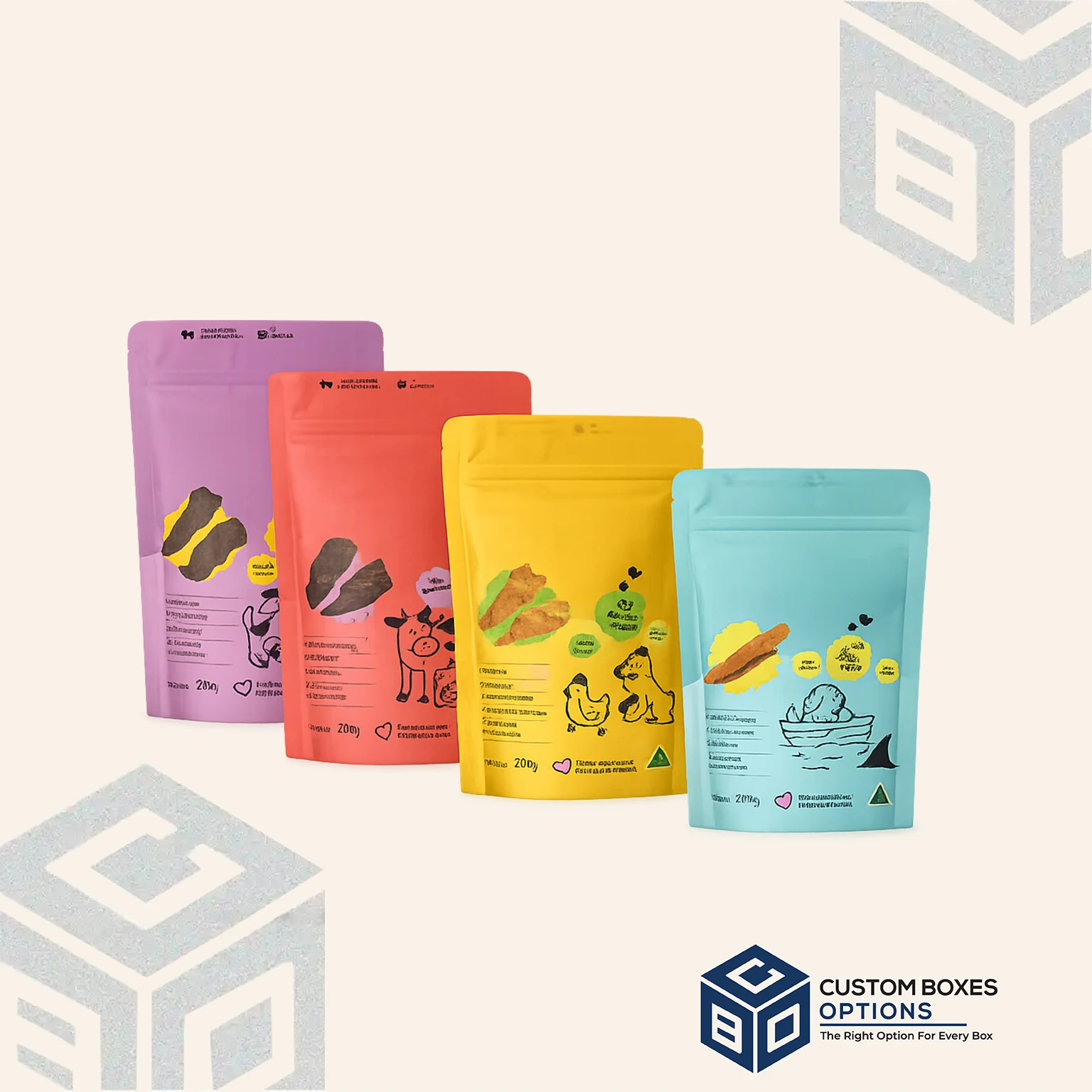
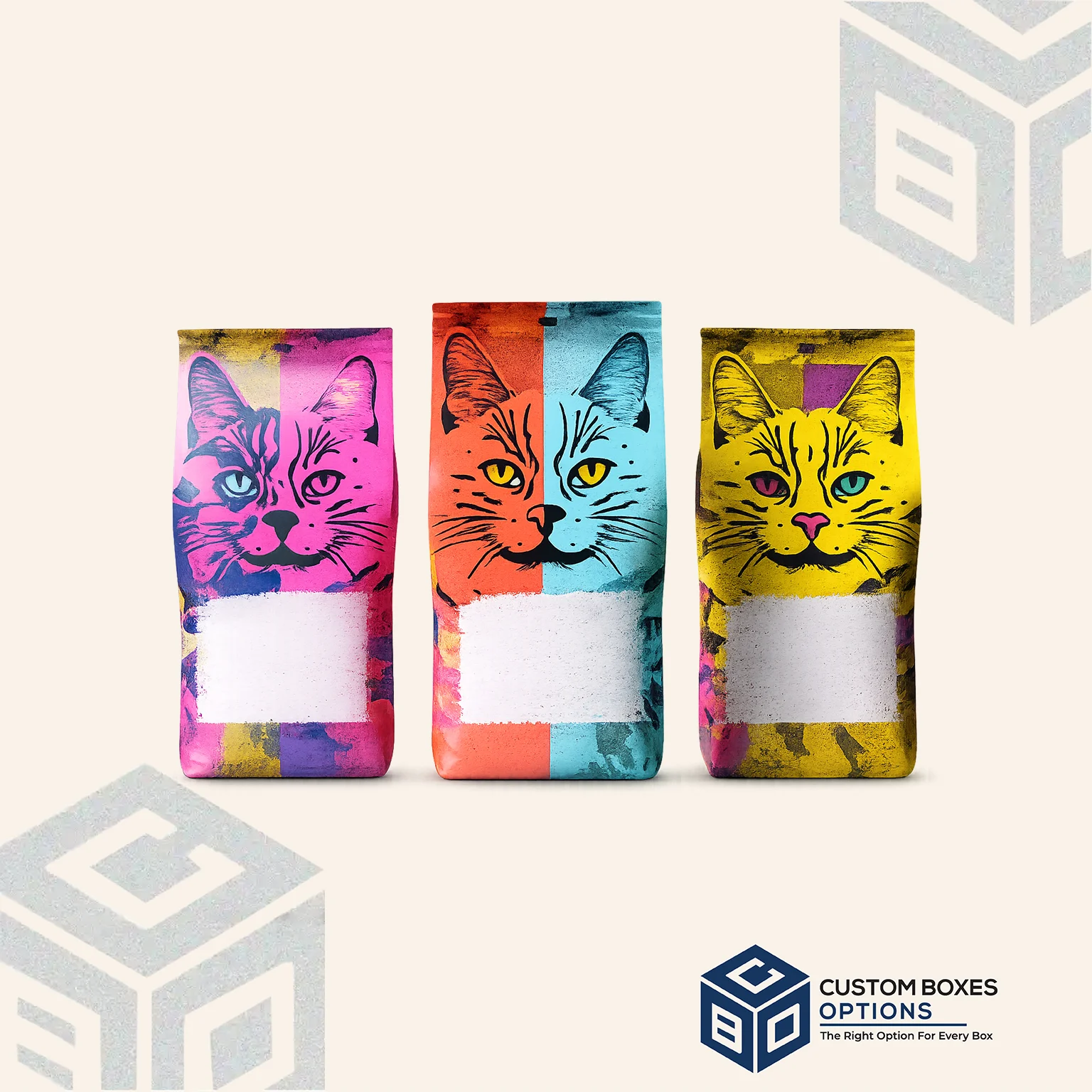
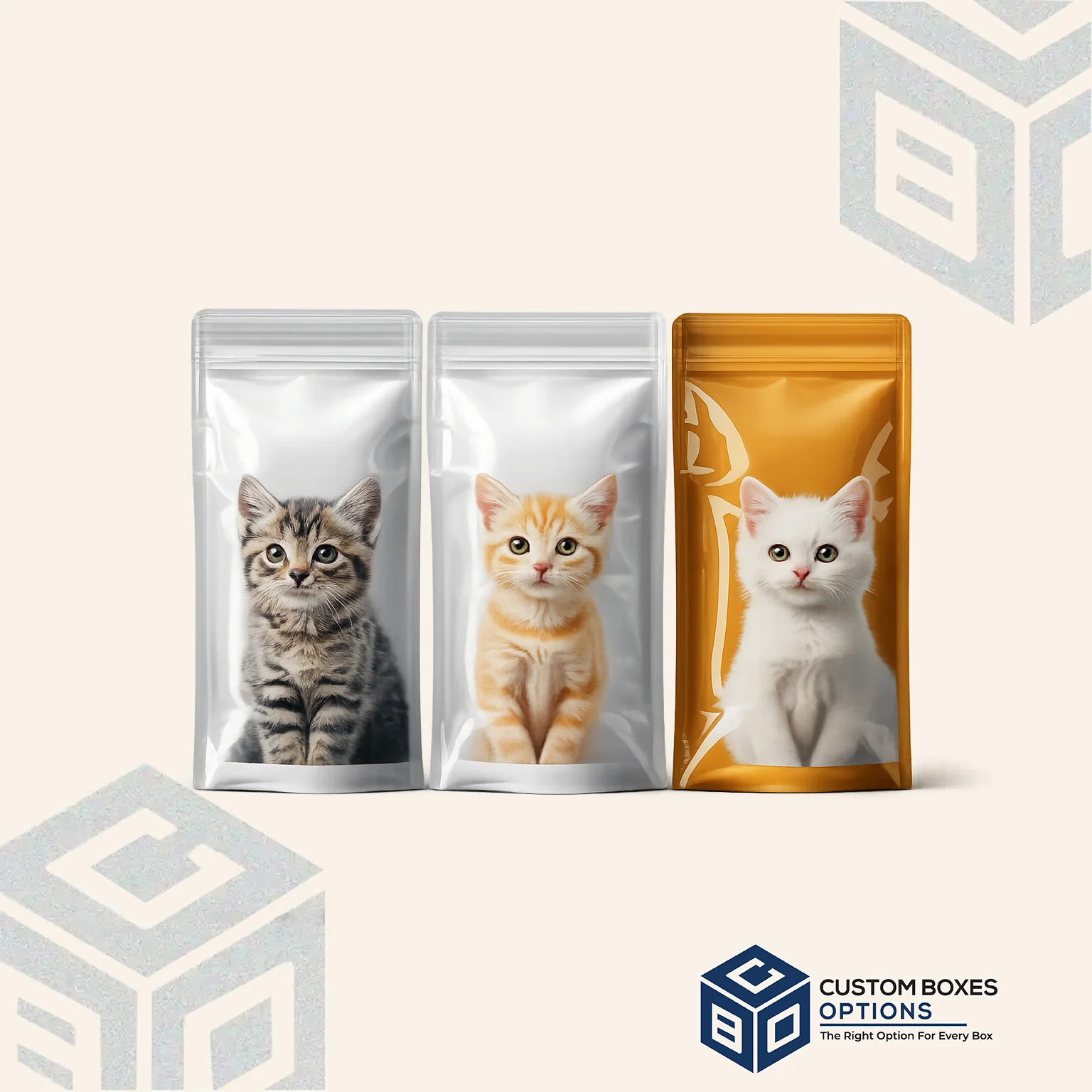
Custom Pet Boxes carry a harder brief than most retail packaging. A treat box has to protect fats that go rancid, hold label copy that regulators require, and survive a warehouse where pests are a genuine concern. A toy box has to show the product while surviving retail handling. A subscription box has to arrive looking like a gift after a courier network has had its way with it. We build to each of those cases separately, with food-safe stock where it touches product and enough panel space for compliant labeling.
What Pet Packaging Has to Do That Retail Packaging Doesn’t
Most packaging protects a product. Pet packaging protects a product, satisfies a regulator, and reassures a buyer who is making a purchase decision on behalf of an animal that can’t tell them if something is wrong.
That last point drives more than people expect. Pet owners read labels closely. Ingredient panels, sourcing claims, and custom packaging manufacturing details get scrutinized in this category the way they do in infant products, and packaging that looks cheap undercuts a premium price before the buyer reads a word.
Label Space Is a Structural Decision, Not a Design One
This is the section most packaging suppliers skip entirely.
Pet food and treats sold in the US are regulated under FDA oversight, with most states adopting AAFCO model labeling regulations. Depending on the product, your label typically has to carry:
- Product identity and species designation
- Net quantity statement
- Guaranteed analysis
- Ingredient list in descending order by weight
- Nutritional adequacy statement, where the product is a complete food
- Feeding directions
- Manufacturer or distributor name and address
That’s a substantial amount of mandatory copy, and it has to fit legibly alongside your brand design. We size panels with that requirement in mind rather than designing a beautiful box and discovering the compliance text doesn’t fit.
One honest caveat: we’re a packaging manufacturer, not a regulatory consultant. We’ll build the panel space and lay out what you supply, but the label content itself should be reviewed by someone qualified in pet food regulation before it goes to print. Getting that wrong is a recall risk, not a design revision.
Rancidity: The Shelf-Life Problem Behind Treat Packaging
Pet treats and kibble are fat-heavy by formulation, and fat oxidizes on exposure to oxygen and light. The result is rancidity, off odors, degraded palatability, and a product animals refuse before the printed expiry date arrives.
Barrier matters more here than structure. For treats with a meaningful shelf life, a printed carton alone usually isn’t enough. The working combination is a barrier inner pouch inside a branded outer box, and for that inner layer, our foil and barrier pouch range is generally the right specification.
For shorter-shelf-life items and freshly baked treats, a food-grade carton with a barrier liner works well. Which route makes sense depends on your formulation and target shelf life. Send us both, and we’ll spec accordingly.
Odor Containment Cuts Both Ways
Two separate problems, often confused.
Keeping odor in matters at retail. A treat box that leaks scent onto neighboring shelf stock is a problem for the store, and stores remember which brands cause it.
Keeping odor out matters for storage. Pet products sitting near cleaning chemicals or strongly scented goods absorb those volatiles through permeable board, and the product arrives tainted.
Sealed inner barriers solve both. Where cartons ship in bulk, the outer case matters too. Our corrugated mailer and shipper builds are specified with warehouse conditions in mind.
Pest Resistance Is a Real Requirement
This one gets treated as an afterthought and shouldn’t be. Pet food is an attractant, and warehouses storing it deal with rodents and stored-product insects as an ongoing operational fact.
Board thickness helps. Tight seams and glued closures help more. A box with open flap gaps is an invitation, regardless of how thick the stock is. We close those gaps at the structural design stage, particularly on bulk formats and anything sitting in storage for extended periods.
Formats Across a Pet Brand
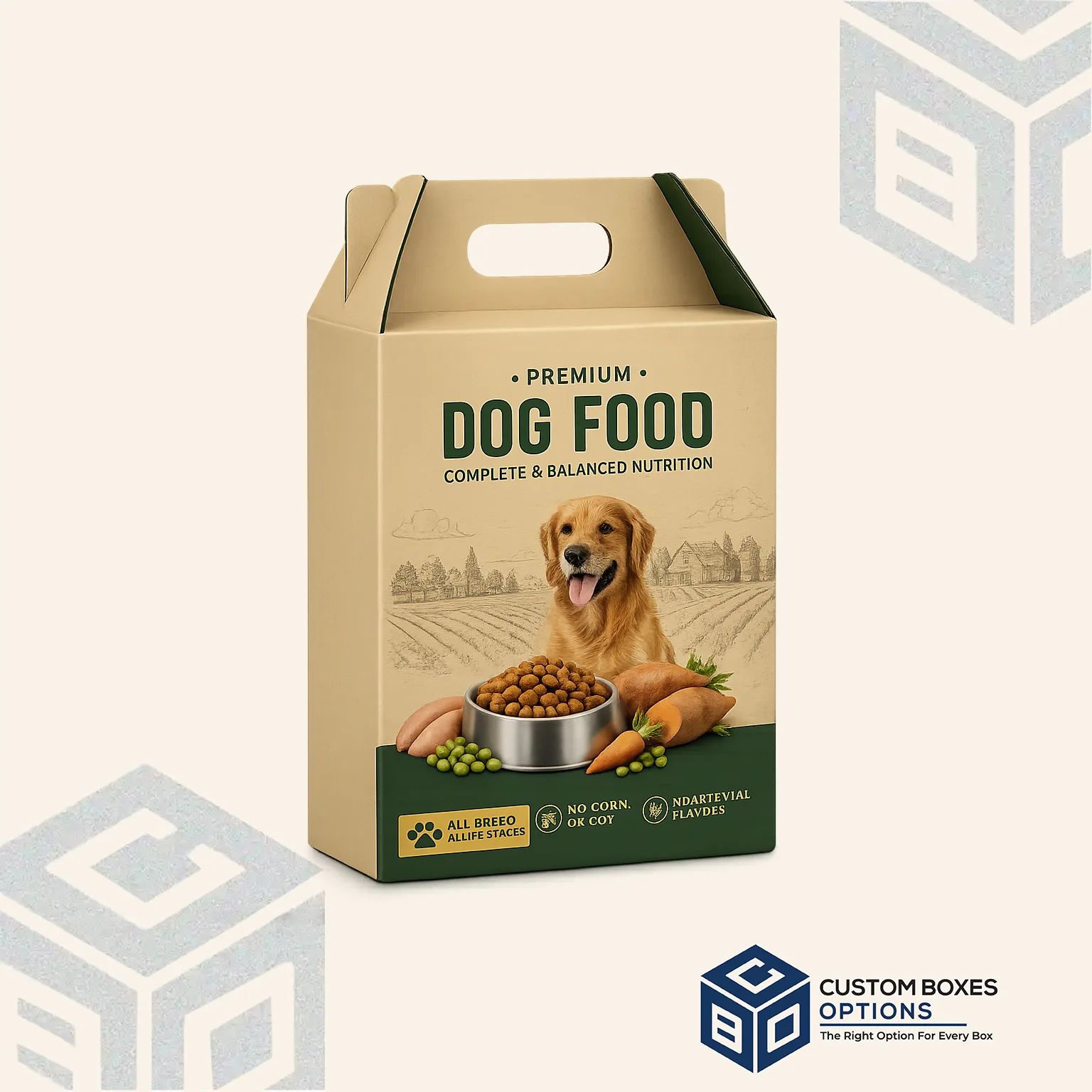
Treat cartons: food-grade stock, barrier liner, or inner pouch, panel space for mandatory labeling.
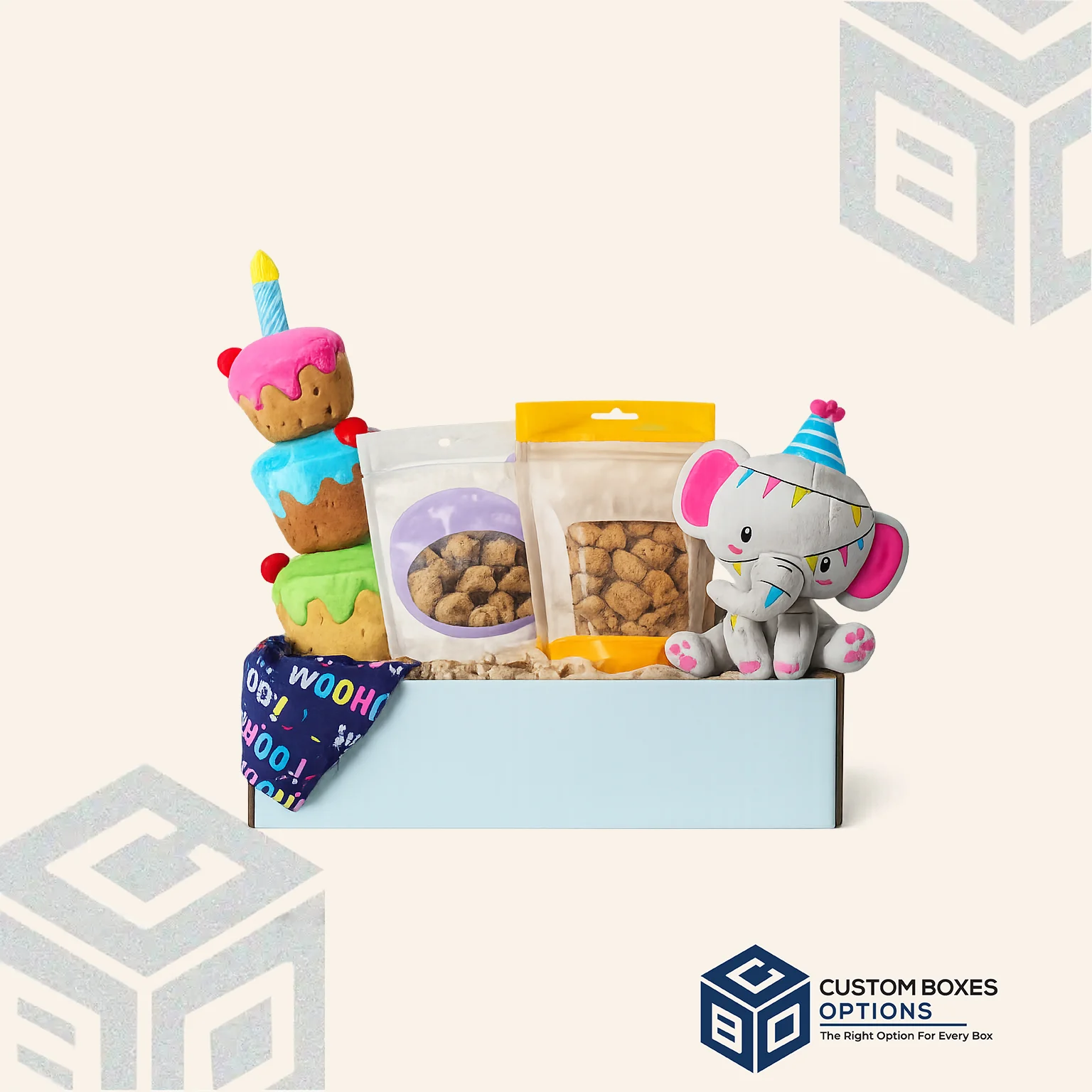
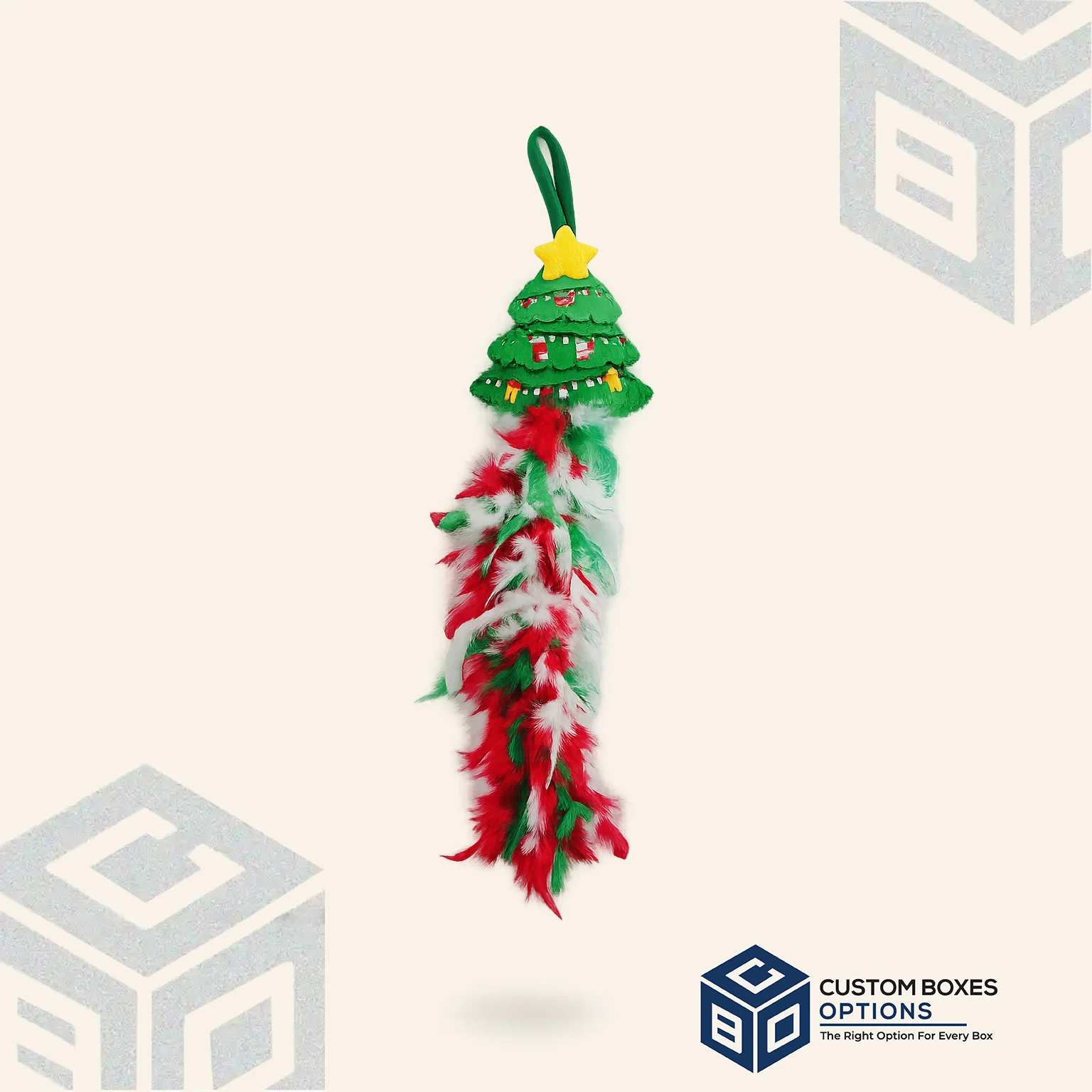
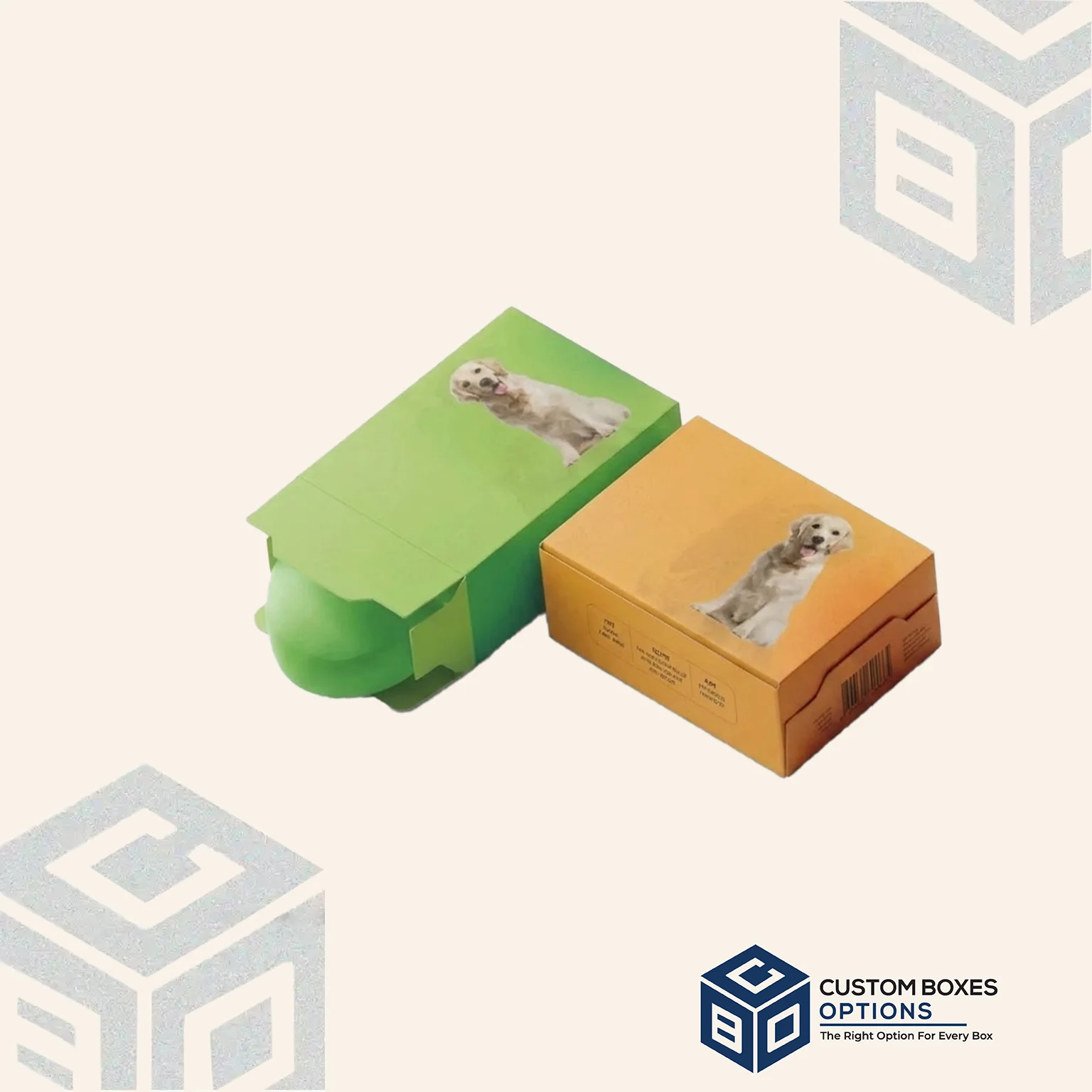
Toy packaging: a die-cut window sells the product, and our window and display box formats handle that without exposing the item to handling damage.
Subscription boxes: the unboxing is the product experience. Interior print, custom inserts, and a clean opening action matter more than they would in retail. Our insert and divider tooling keeps multi-item kits from shifting in transit.
Accessory and apparel boxes: collars, leads, pet clothing. Presentation-led, often gifting-adjacent, and well served by rigid board construction where the price point supports it.
Grooming and supplement packaging: bottles and tubs needing outer cartons with clear dosage panels.
Materials and What They Suit
Kraft: unbleached, strong, and the visual shorthand for natural positioning, which carries weight with pet buyers specifically.
Cardboard (SBS): the sharpest print surface, right for brands with detailed artwork or photography.
Corrugated: structural strength for bulk formats, shipping, and anything heavy. Large-format dog food outer bags usually land here.
Rigid board: premium gifting and luxury accessories, where the box weight itself signals price.
Every stock we supply that touches food or treats is food-contact compliant, and our inks are water- and soy-based throughout. The same standards behind our food-grade paper range apply to pet consumables.
Printing and Finishing
Full CMYK printing is standard, with Pantone matching for brand-critical colors. Finishing options include matte and gloss lamination, soft-touch coating, spot UV, foil stamping, embossing, and debossing.
Two practical notes for this category. Soft-touch coating performs unusually well on premium pet products; buyers handle these boxes in-store, and the tactile finish influences perceived quality. And matte lamination hides handling marks better than gloss, which matters for products sitting on a shelf for months rather than weeks.
Batch and expiry marking is usually best handled with printed labels rather than variable print on the carton itself, since it keeps your main print run consistent.
Specification Summary
| Attribute | Detail |
|---|---|
| Dimensions | All custom sizes and shapes |
| Materials | Kraft, cardboard, corrugated, rigid, chipboard |
| Stock range | 10pt to 28pt, E-flute and B-flute corrugated |
| Printing | CMYK, CMYK + PMS, 1–3 spot colors |
| Inks | Water-based and soy-based, food-safe |
| Finishing | Gloss, matte, soft-touch, spot UV, foil, embossing, debossing |
| Structural options | Die cutting, gluing, scoring, perforation, window patching |
| Proofing | Flat view, free 3D mockup, physical sample on request |
| Turnaround | 6–8 business days from artwork approval |
| Shipping | Free shipping across the USA |
FAQs – Frequently Asked Questions
1. Are your pet boxes safe for direct contact with treats and food?
Yes, where you specify food-grade stock. We use FDA-compliant substrates and water- or soy-based inks for any packaging touching consumable products. Tell us at the quoting stage whether the box has direct contact, because industrial-grade board is not automatically approved for it.
2. Can you fit AAFCO-required label information on the box?
Yes. We size panels to accommodate guaranteed analysis, ingredient lists, feeding directions, and manufacturer details alongside your brand design. We’ll build the space and lay out the copy you supply, but the content itself should be reviewed by a regulatory specialist before printing.
3. What’s the minimum order quantity?
Standard specifications start at 100 boxes. Complex builds involving custom die-cutting or specialty finishes may carry a higher minimum, and we state that figure before you commit rather than after.
4. How do I stop treats from going rancid in the packaging?
Rancidity comes from oxygen and light exposure to the fats in the product. A printed carton alone usually won’t deliver enough barrier for extended shelf life. The standard approach is a barrier inner pouch inside a branded outer box. Send us your formulation and target shelf life, and we’ll recommend a combination.
5. Do you make subscription boxes with custom inserts?
Yes. Multi-item subscription kits generally need die-cut inserts to hold products in position through courier handling. We build the insert tooling alongside the box so both are specified together.
6. How long does production take?
Six to eight business days from artwork approval, not from order placement. If you have a hard launch date, tell us at the quoting stage, and we’ll confirm feasibility before you commit.
Closing Lines
Send us your product dimensions, whether the packaging has direct food contact, and your target shelf life. We’ll come back with a full specification and a free 3D mockup before anything goes to production.
Request your free quote for Custom Pet Boxes today.