
Free Shipping
14-Days Returns
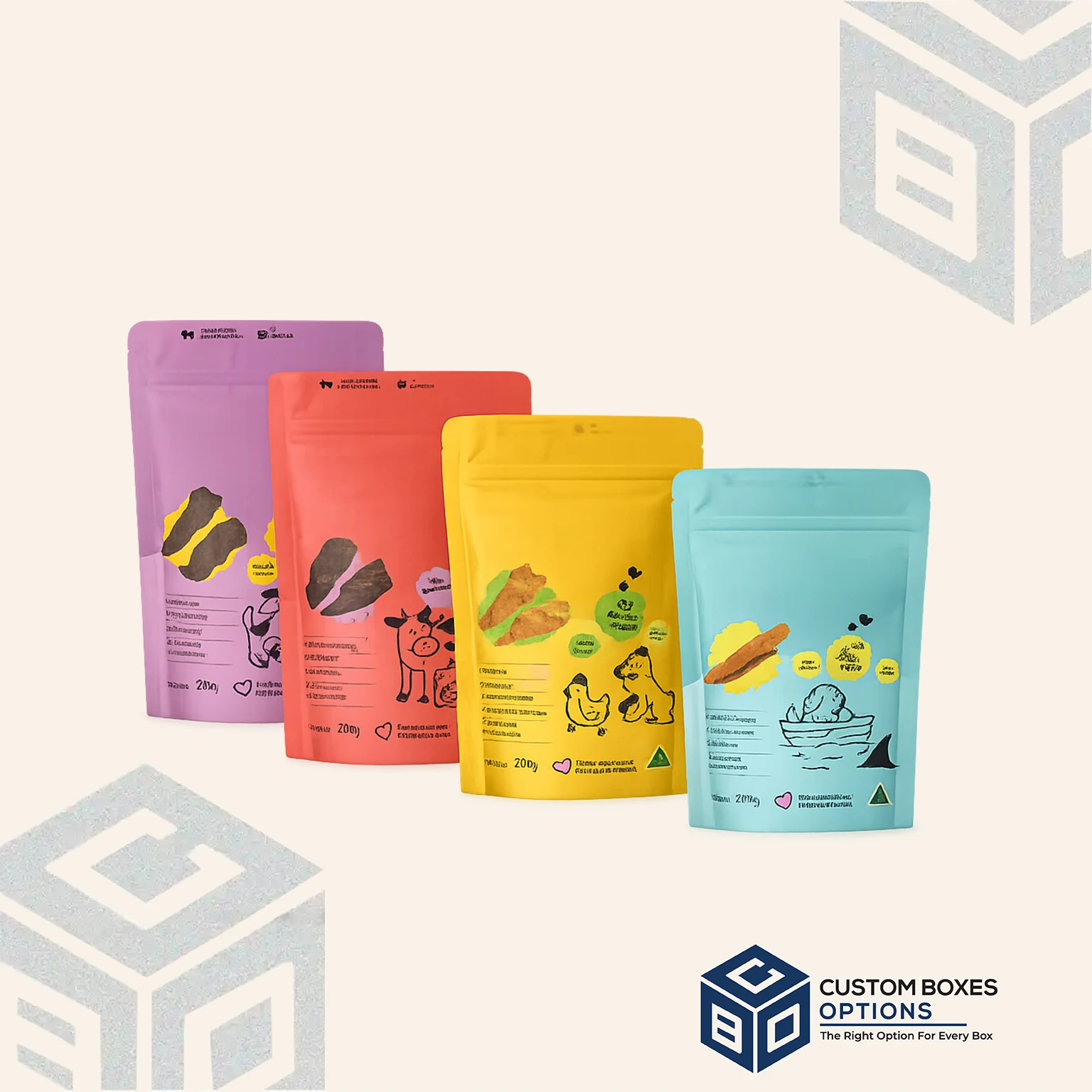
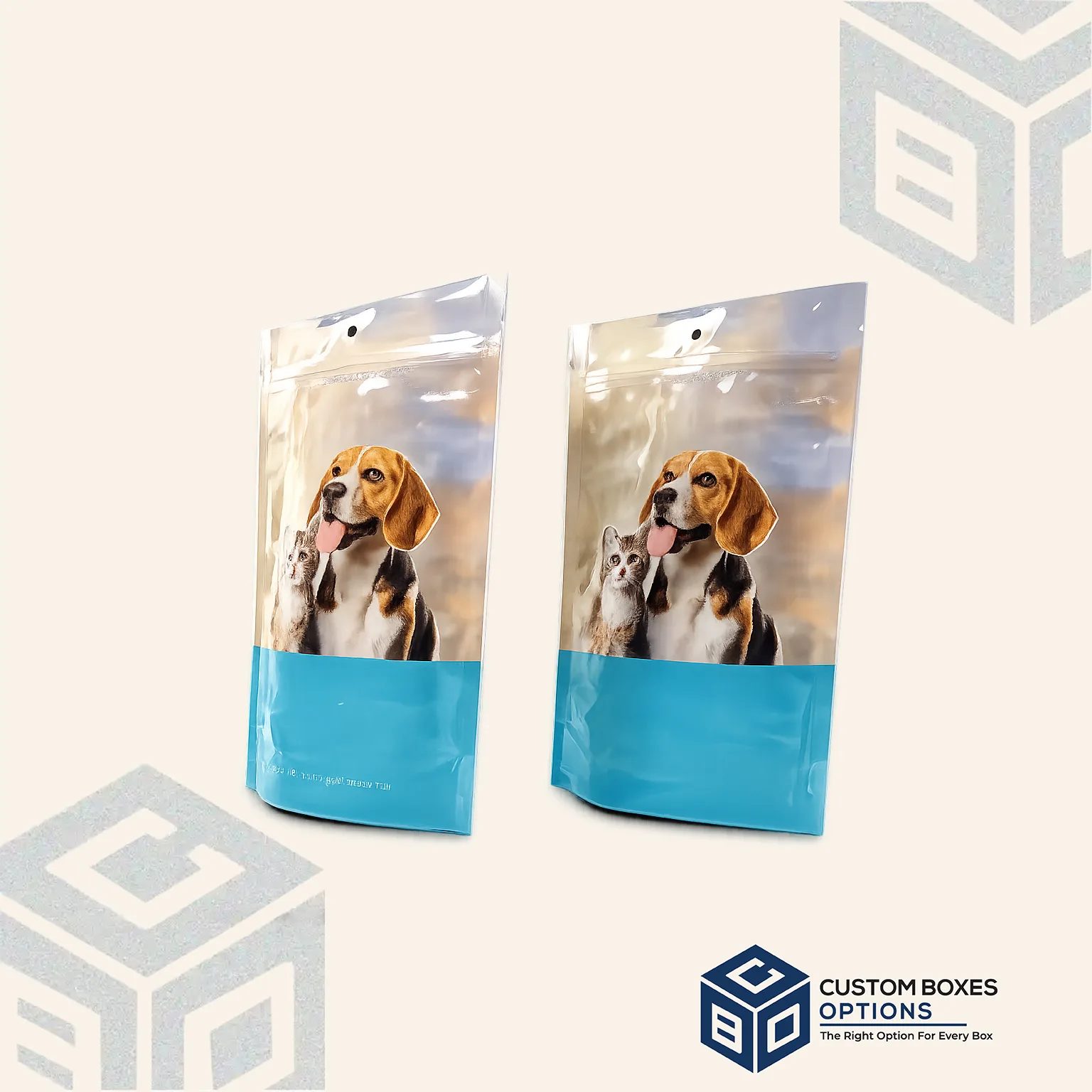
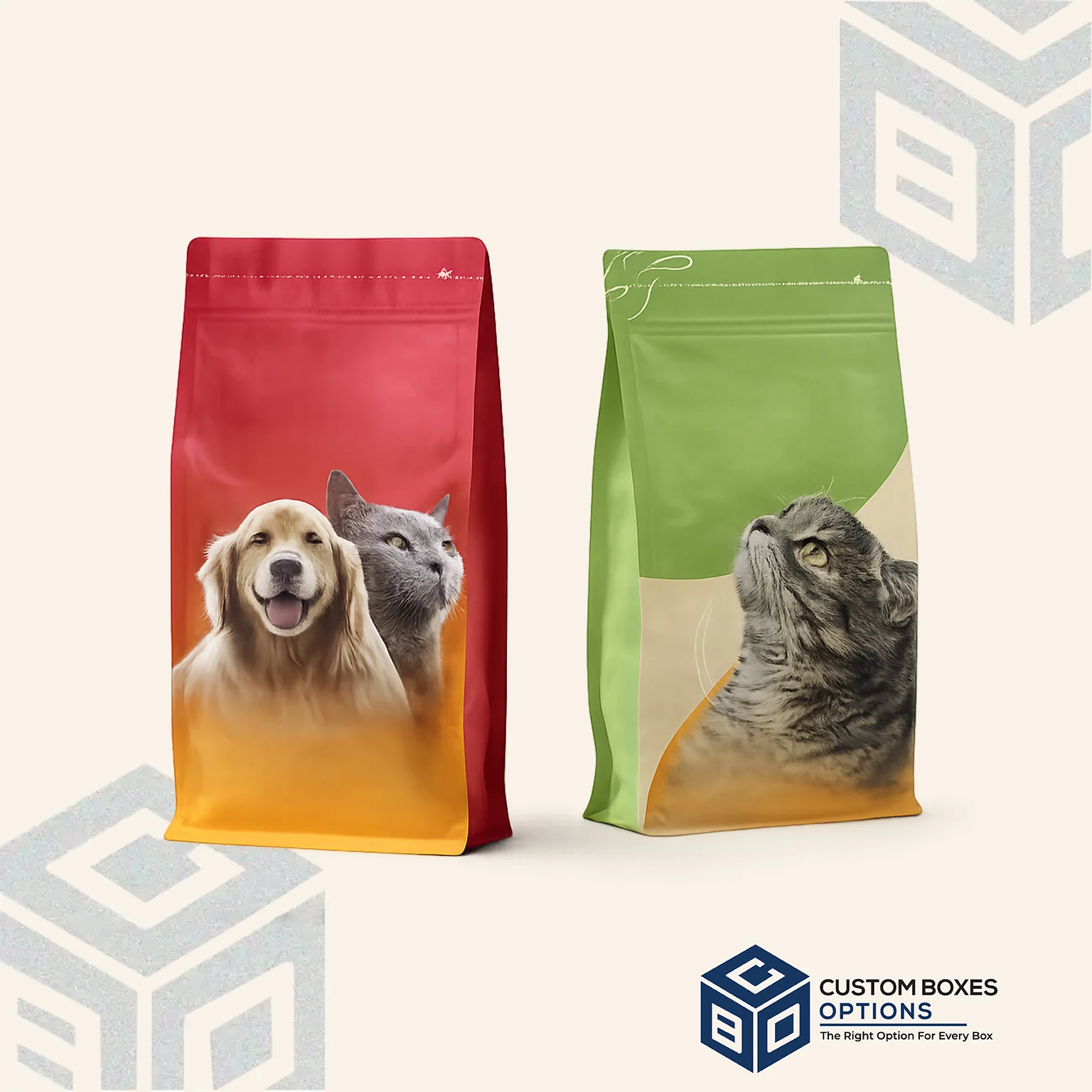
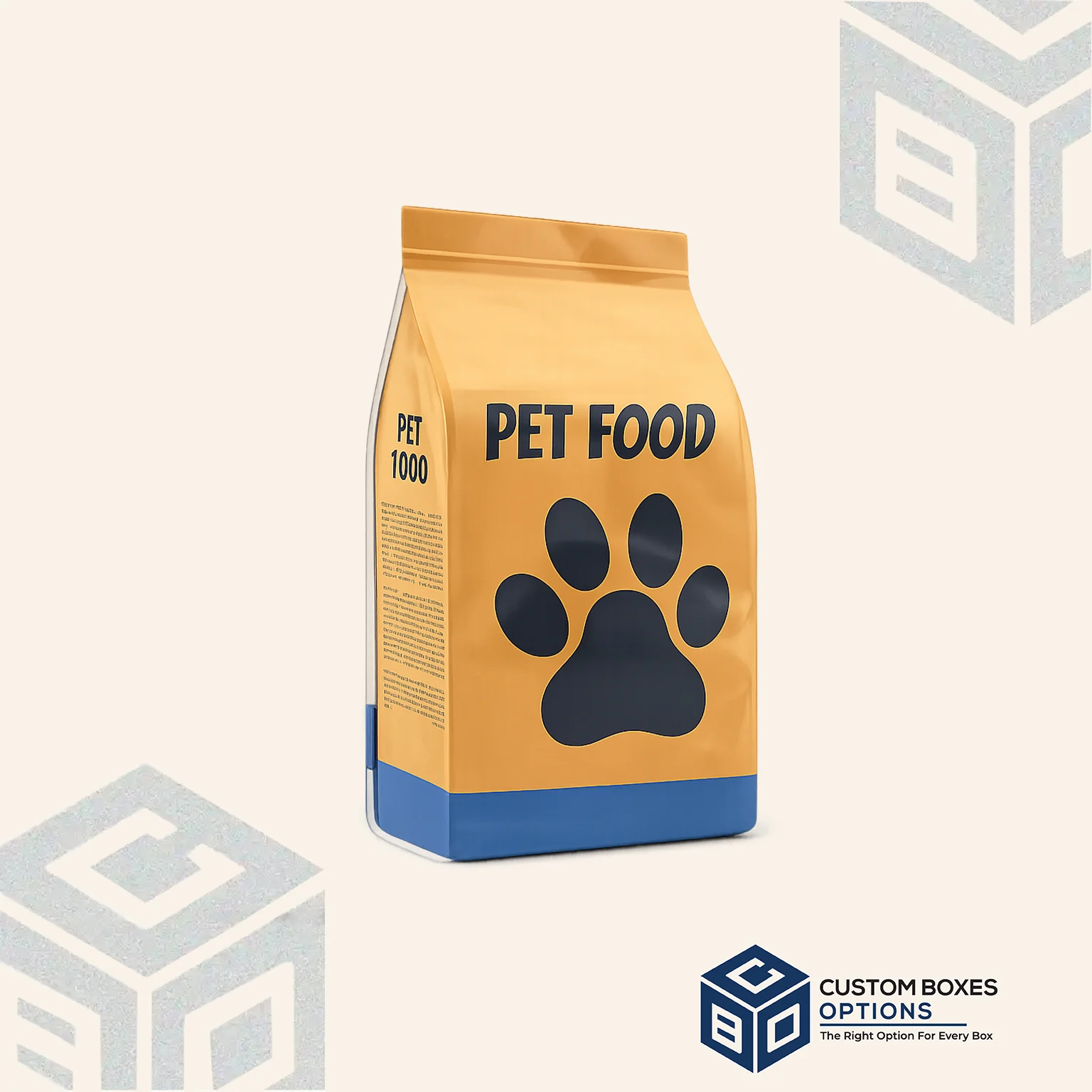
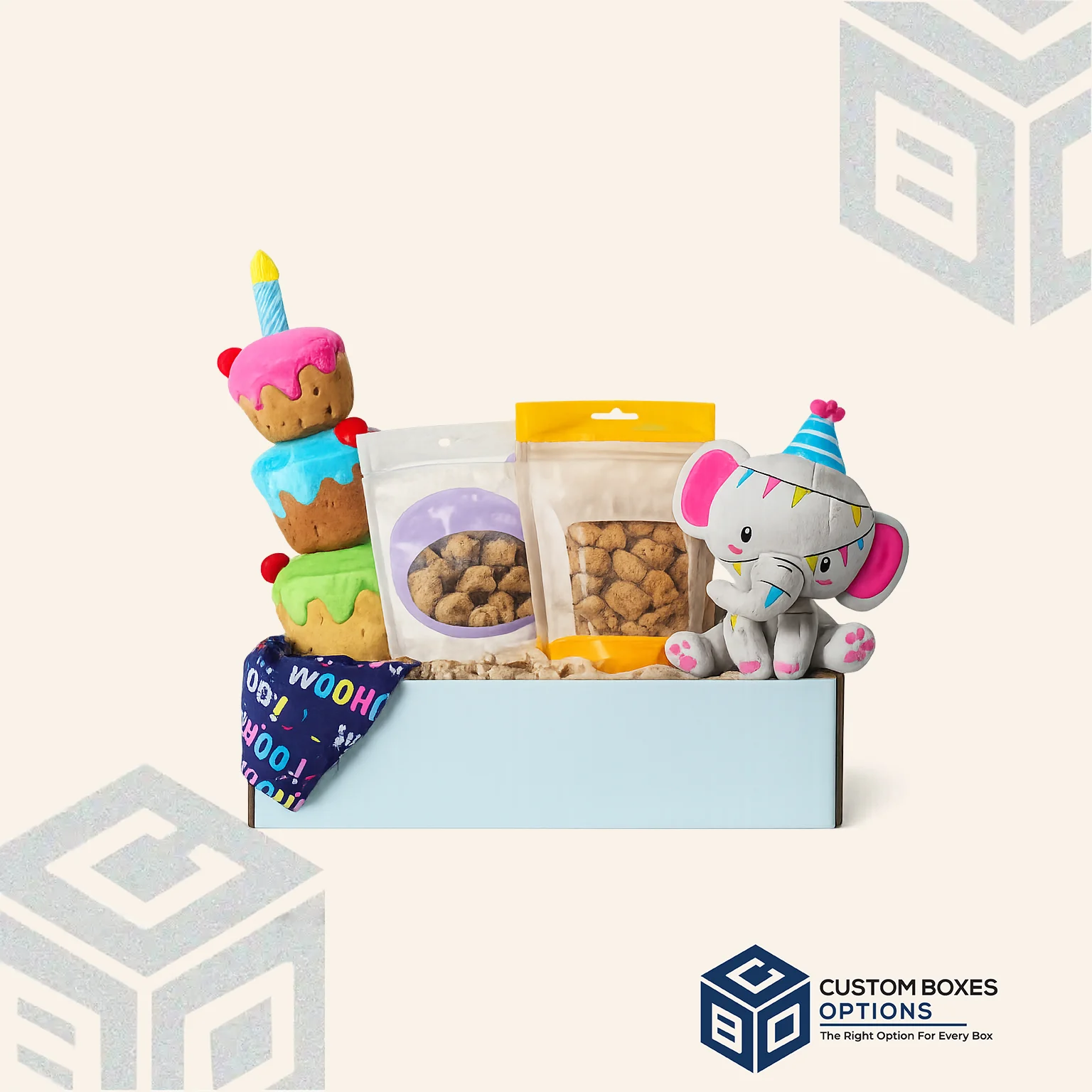
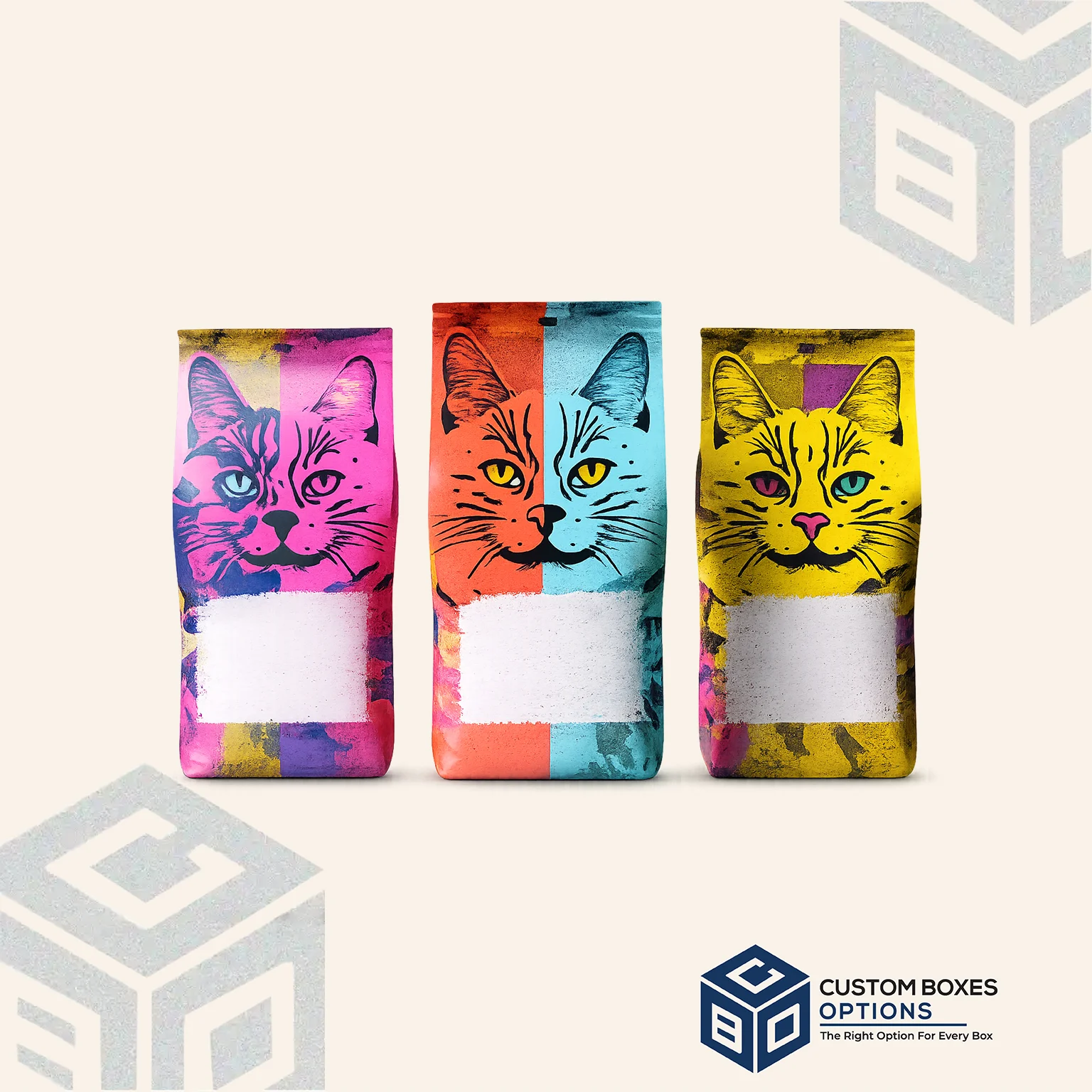
Pet Food Boxes cover a wider range than most brands expect. Dog and cat formats dominate the shelf, but bird seed, small animal pellets, reptile feed, and fish flakes each carry their own packaging demands, different fill weights, different moisture sensitivity, and different label requirements. We build across all of them, with barrier liners where fat migration is a risk and reinforced construction where fill weight is. Panel space is sized around mandatory feed labeling rather than added afterward. Our animal feed packaging supplier team specs board and liner against your species and formulation. Request free physical samples before you order.
Free Shipping
Free Design Support
Starting from:
$1.00 Original price was: $1.00.$0.50Current price is: $0.50.
In Stock
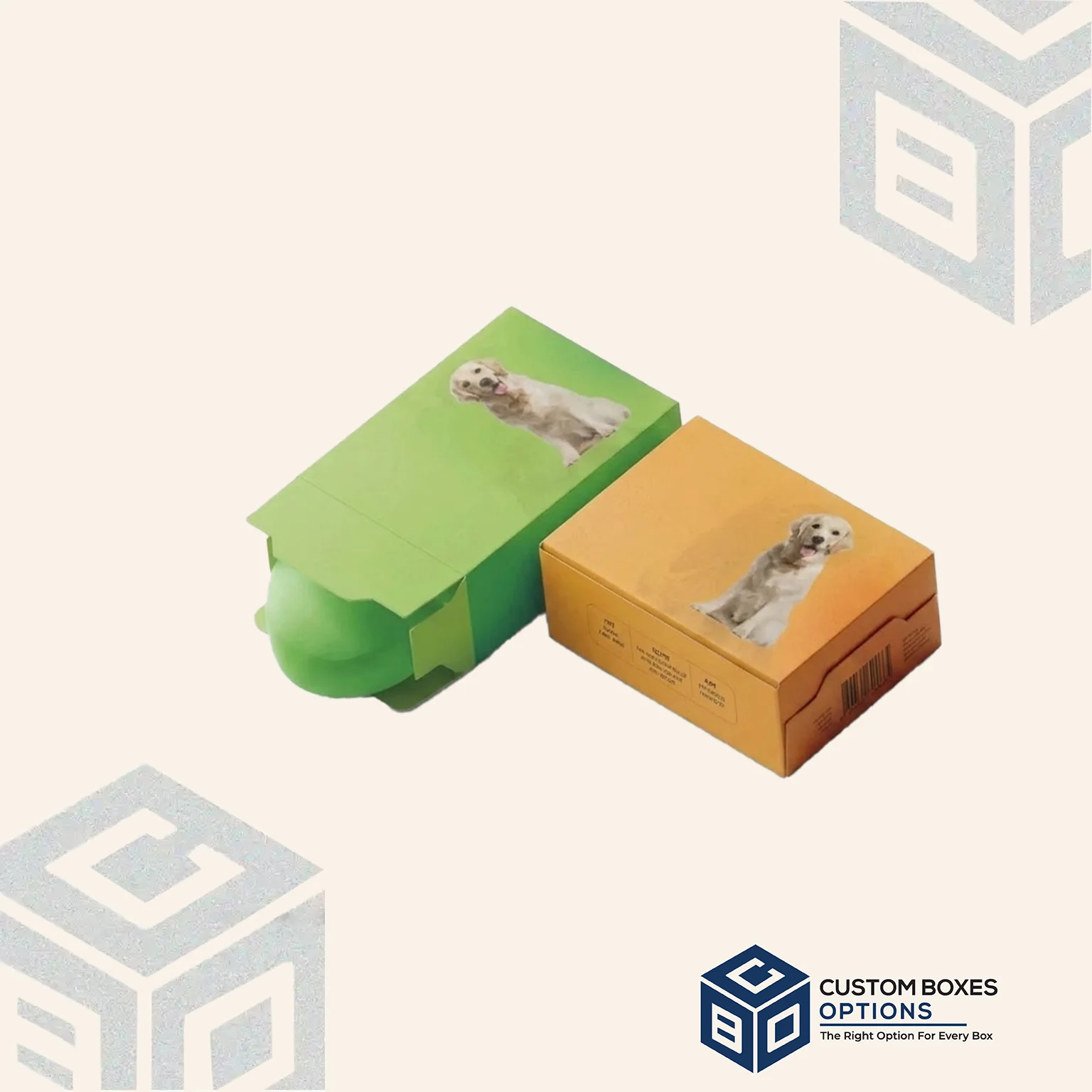
Within our pet packaging range, food is the broadest brief we handle. Pet Food Boxes covers everything from a 20-pound kibble carton to a two-ounce tub of fish flakes, and treating those as one specification produces packaging that fits neither.
This page maps the differences. For the two highest-volume formats, our dog food carton specifications and cat food carton formats go into considerably more depth.
Seed behaves like a granular liquid. It finds every gap in a carton and pours out of any seam that opens even slightly, which makes closure integrity more important here than in almost any other feed format.
Fill weights are also substantial; a 10-pound seed box carries the same base stress as mid-range kibble. Corrugated construction with fully glued closures is the working specification, and a lined inner or a sealed bag inside the carton prevents the fine dust that seed generates from working through the board.
Rabbit, guinea pig, and hamster feed present the opposite problem. Hay-based products and extruded pellets are bulky but light, so the carton is large while the weight is modest.
That means the failure mode is crushing rather than base failure. The board needs enough rigidity to hold its shape through stacking, but you are paying for volume rather than strength. Getting this right saves real money at scale; over-specifying board weight on a light product is a common and avoidable cost.
Compressed hay carries a second issue: it continues to release moisture after packing. A fully sealed carton traps it, which risks mold. Some ventilation is the correct answer here, which runs against instinct for food packaging.
These are low-volume, high-value products, often sold in small tubs or sachets that need an outer retail carton.
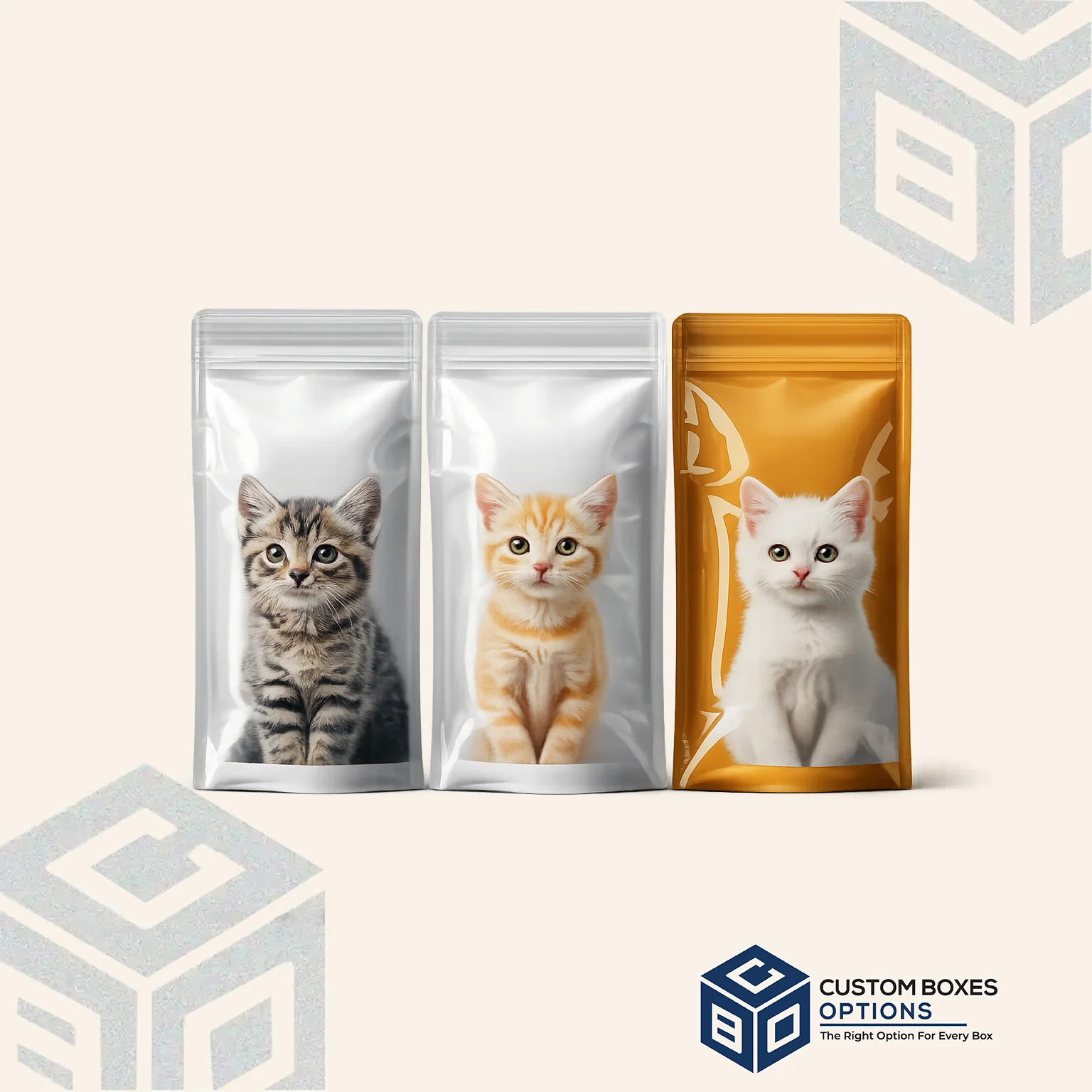
The packaging job is primarily presentation and shelf standout rather than protection, since the inner container handles containment. Live and freeze-dried feed adds a moisture-barrier requirement that our foil and barrier pouch range handles as an inner layer.
Variety and multipack formats benefit from die-cut insert tooling to keep small tubs from rattling loose in a larger carton.
Three requirements run across the whole category regardless of species.
Fat and rancidity. Any formulation with meaningful fat content oxidizes under oxygen and light, producing an off odor and rancidity before the printed date. Lined cartons handle short shelf lives; extended shelf life needs an inner barrier.
Pest resistance. All animal feed is an attractant. Tight seams and fully glued closures matter more than raw board thickness, and we close flap gaps at the design stage on anything held in bulk storage.
Label compliance. Pet food falls under FDA oversight, with most states adopting the AAFCO model labeling. Guaranteed analysis, ingredient list, feeding directions, net quantity, and manufacturer details all need legible panel space. We build that space in at the structural stage; the content itself should be reviewed by a regulatory specialist before print.
A carton designed for a shelf and a carton designed for a courier are different products. Retail formats optimize for facing and print. Direct-to-consumer formats need to survive a delivery network, which usually means our corrugated shipper builds as an outer case or a mailer-grade carton throughout.
Brands running feeding programs alongside a monthly box find the same logic in our subscription mailer formats, and treat lines pair naturally with resealable pouch packaging. Batch and expiry coding stays cleanest on applied labels rather than variable print on the carton.
Request a free quote and a 3D mockup for your Pet Food Boxes, and we will confirm the format against your species and fill weight first.
Reviews
There are no reviews yet.