
Free Shipping
14-Days Returns
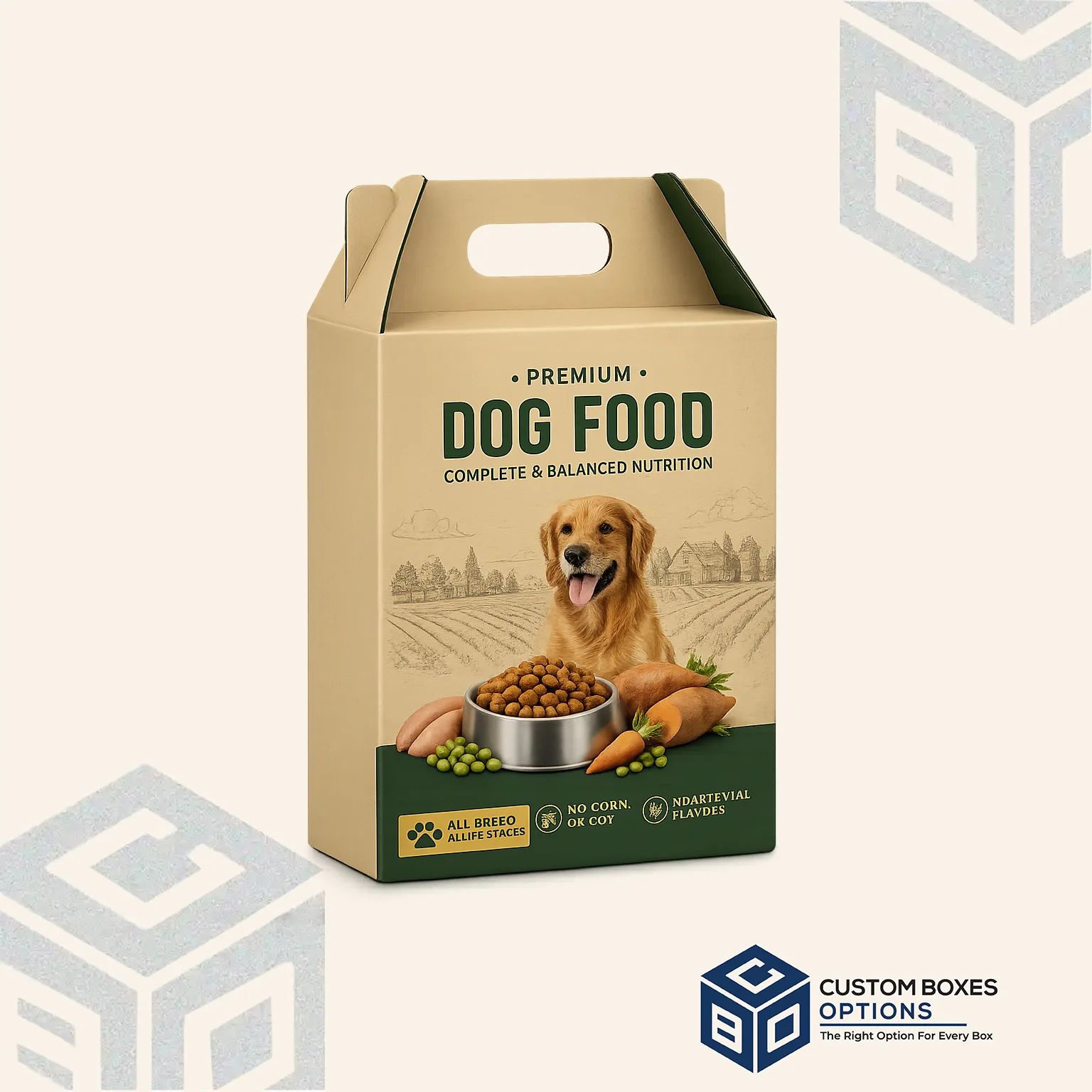
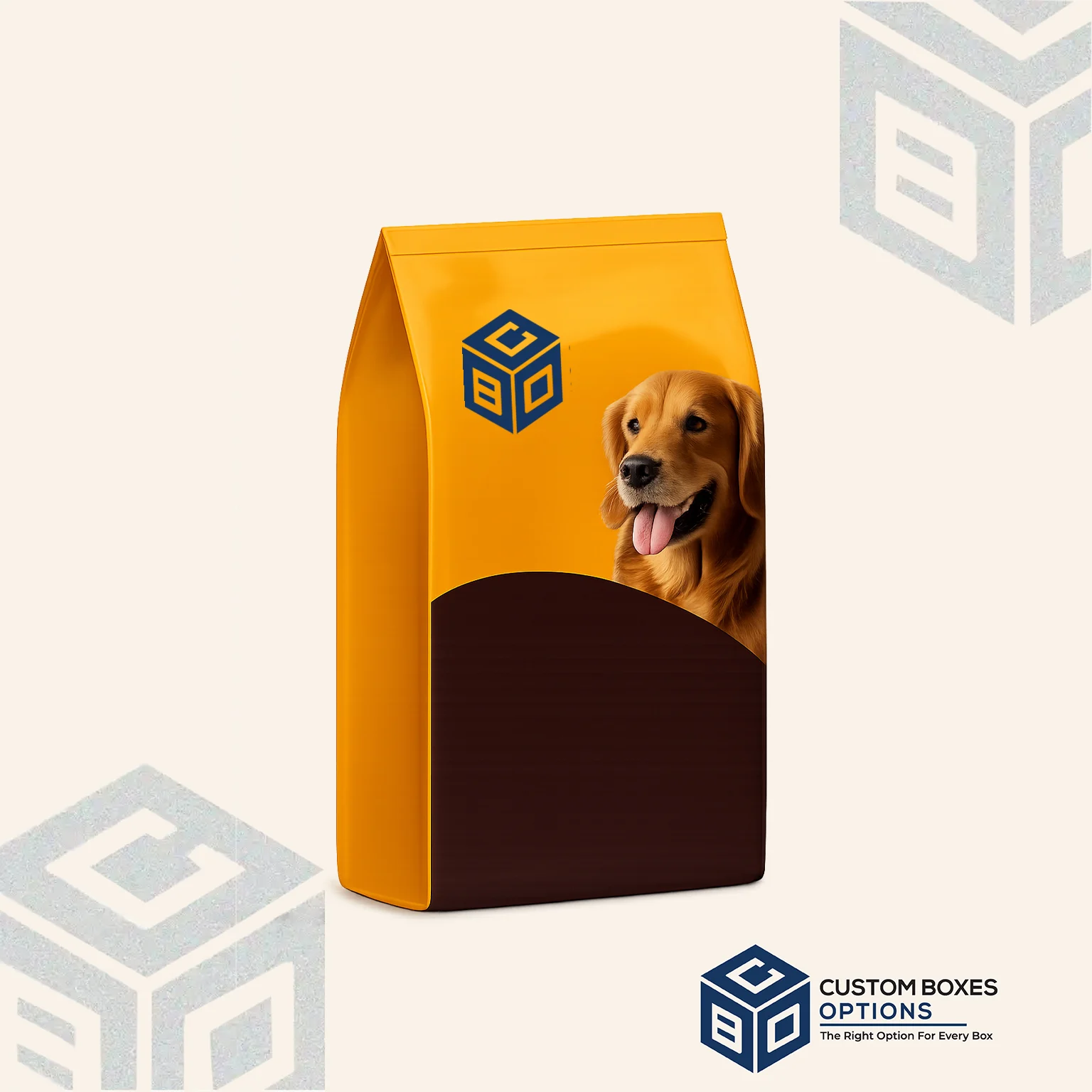
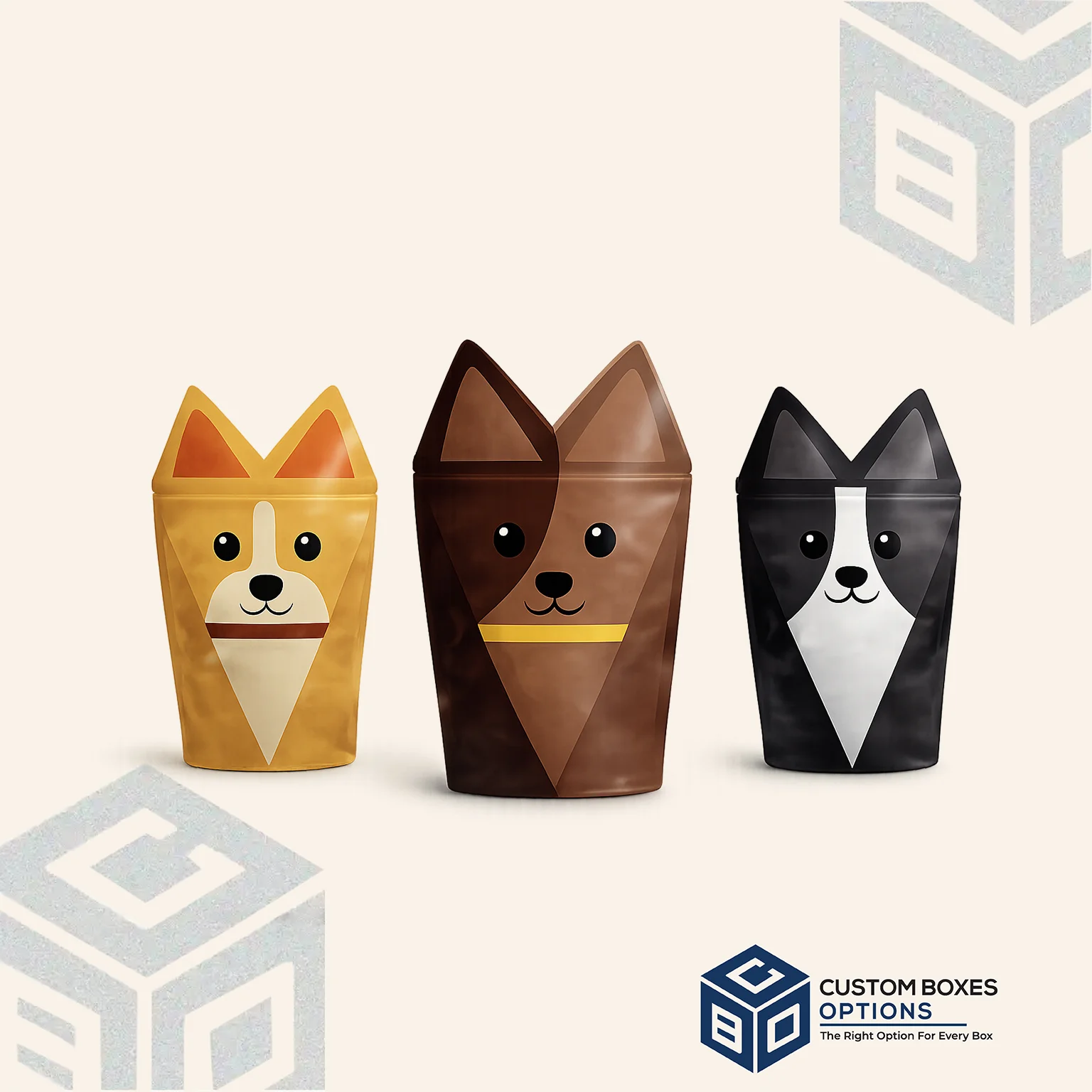

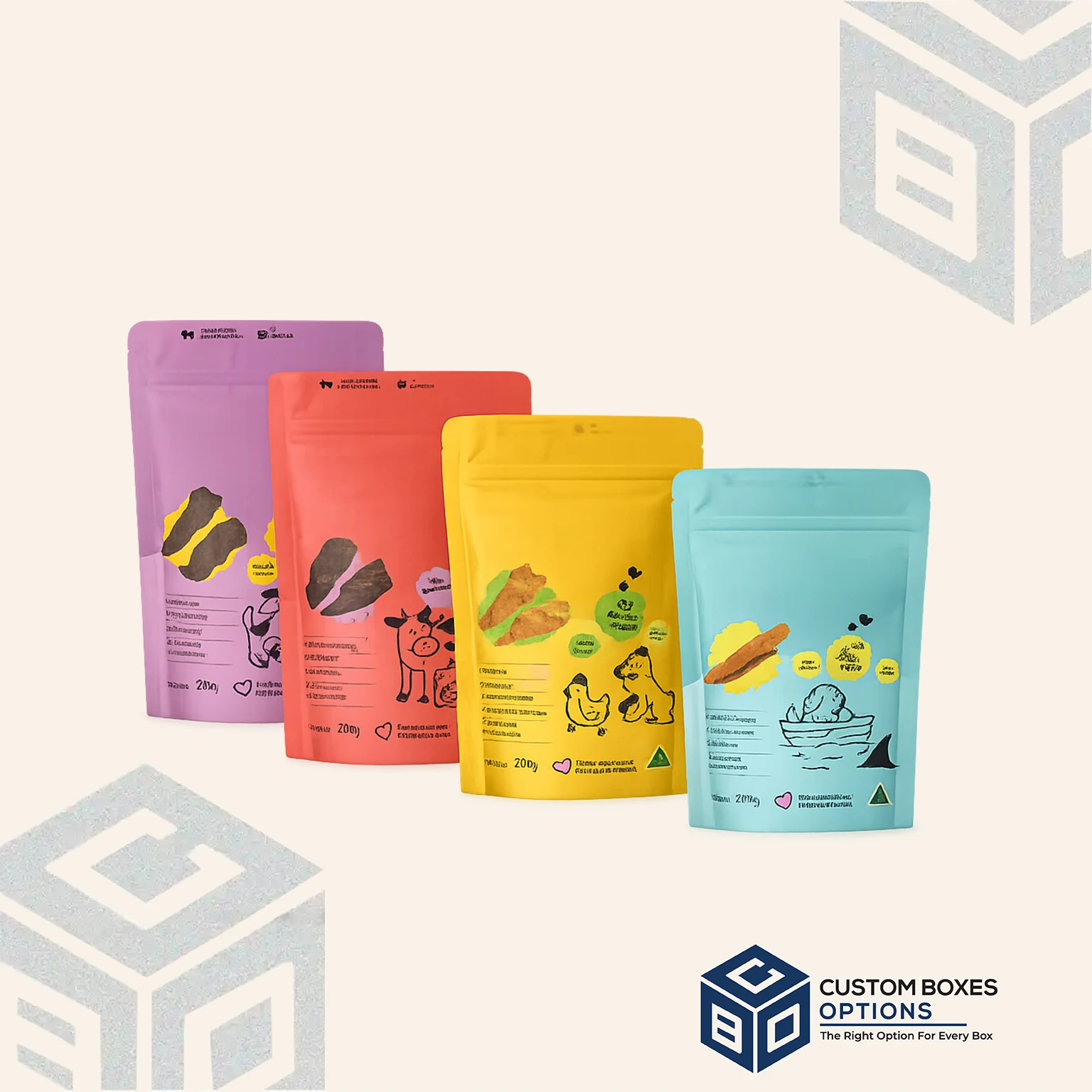
Dog Food Packaging Boxes carry a load most retail cartons never face. A 15-pound bag of kibble exerts real pressure on seams, the fat content works against the board from inside, and the label has to hold a full guaranteed analysis without crowding your brand. We build these with reinforced base construction, grease-resistant liners, and panel space sized for mandatory pet food labeling. Formats run from single-serve sample cartons through bulk retail sizes. Our bulk carton supplier team specs board weight against your fill weight, not against a template. Request free physical samples before your first production run.
Free Shipping
Free Design Support
Starting from:
$1.00 Original price was: $1.00.$0.50Current price is: $0.50.
In Stock
Within our pet packaging range, dog food is the format where three problems arise at once. The product is heavy, it is oily, and it carries the most regulated label on the shelf. Dog Food Packaging Boxes have to handle all three without any one compromising the others.
Most retail cartons hold something light. Kibble does not.
A 15-pound fill puts sustained downward pressure on the base and outward pressure on the side seams. Over weeks on a shelf, and through stacking in a warehouse, that load finds any weakness in the glue line or the score.
We handle it with reinforced base construction and, for larger fills, corrugated rather than folding carton. Single-wall corrugated works for mid-weight formats; heavier bulk sizes usually need double-wall. The failure mode when this is under-specified is a split base seam in a retail aisle, which is more expensive than the replacement stock.
Kibble and treats are formulated with meaningful fat content, and fat migrates into uncoated board over time. The visible result is a darkened, translucent patch showing through the print, the same failure that ruins a fry liner, just over months instead of minutes.
A grease-resistant inner liner solves it. Where the carton is a shipper rather than a retail face, a lighter treatment is often enough, but anything with printed branding on the outside needs the barrier. The principles behind our grease-resistant paper grades apply directly here.
Fat oxidizes on exposure to oxygen and light, producing off odors and palatability loss well before the printed date. Dogs refuse rancid food, and the complaint reaches your brand rather than the retailer.
A printed carton alone will not deliver a meaningful oxygen barrier. For extended shelf life, the working combination is a sealed barrier pouch inside a branded outer carton, and our foil and barrier pouch options are typically the right inner specification. For shorter shelf lives and freshly made products, a lined carton on its own can be sufficient.
Tell us your formulation and target shelf life. That determines the structure more than the fill weight does.
Dog food sold in the US falls under FDA oversight, with most states adopting AAFCO model labeling regulations. In practice, your panels need to carry product identity and species designation, net quantity, guaranteed analysis, ingredient list, nutritional adequacy statement, feeding directions, and manufacturer details.
That is a lot of mandatory copy competing with your design. We size panels around it at the structural stage rather than discovering the fit problem at artwork approval.
Worth saying plainly: we build the space and lay out what you supply, but the label content itself should be reviewed by someone qualified in pet food regulation before print. That is a recall exposure, not a design revision.
Dog food is an attractant, and warehouses storing it deal with rodents and stored-product insects as routine. Board thickness helps; tight seams and fully glued closures help more. We close flap gaps at the design stage on anything spending time in bulk storage.
Sample and trial cartons for retail sampling and vet clinics. Standard retail sizes with a resealable feature where the bag is opened repeatedly. Bulk formats needing carry handles. Where multiple ships together, our corrugated shipper builds carry the outer case, and subscription feeding programs usually pair with die-cut insert tooling to keep contents stable in transit.
Pet buyers scrutinize this category. Matte lamination hides handling marks across a long shelf life better than gloss, and soft-touch coating measurably lifts perceived quality on premium formulations. Batch and expiry coding is cleaner on applied labels than on variable print, which keeps your main run consistent.
Request a free quote and a 3D mockup for your Dog Food Packaging Boxes, and we will confirm board weight against your fill weight first.

Reviews
There are no reviews yet.