
Free Shipping
14-Days Returns
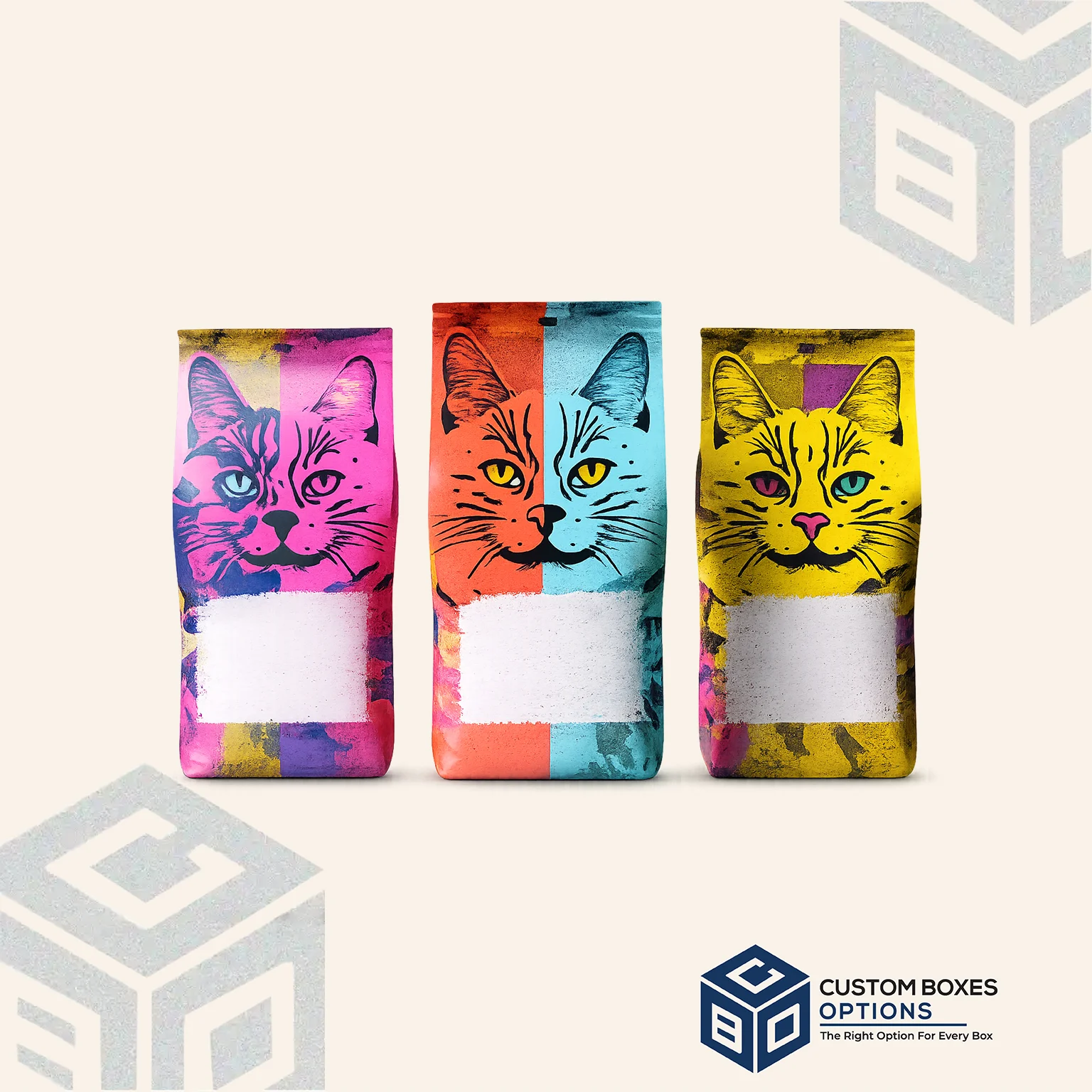
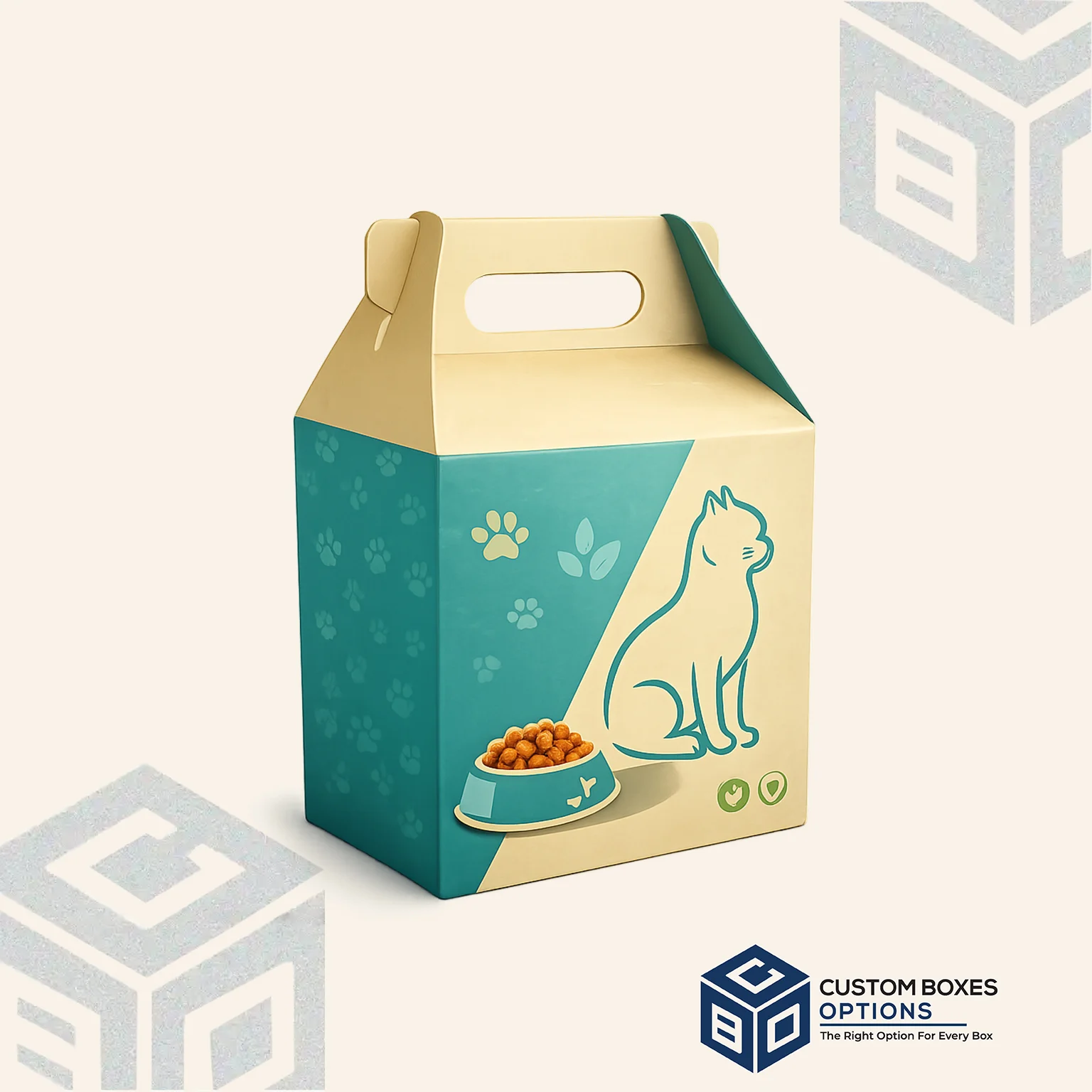
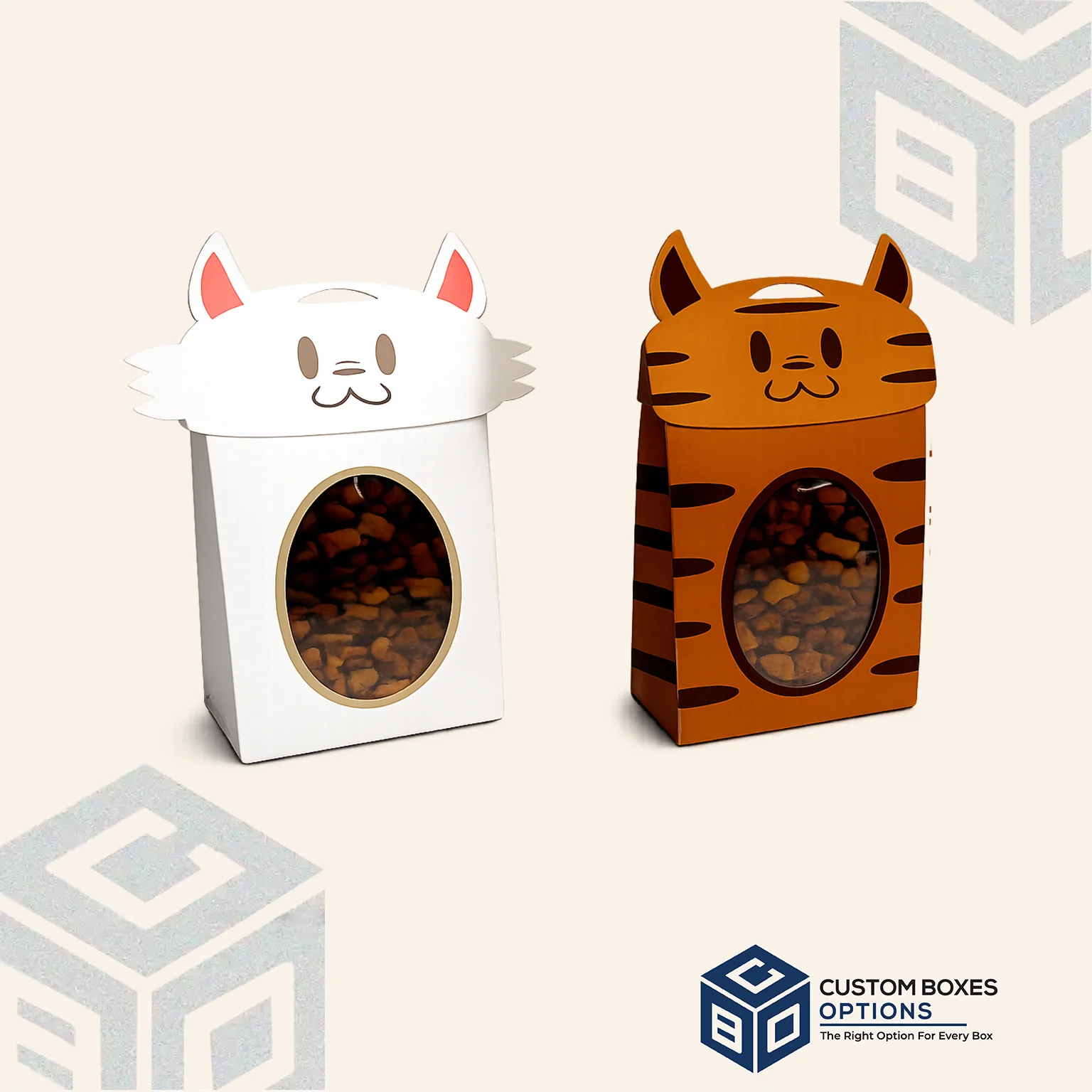
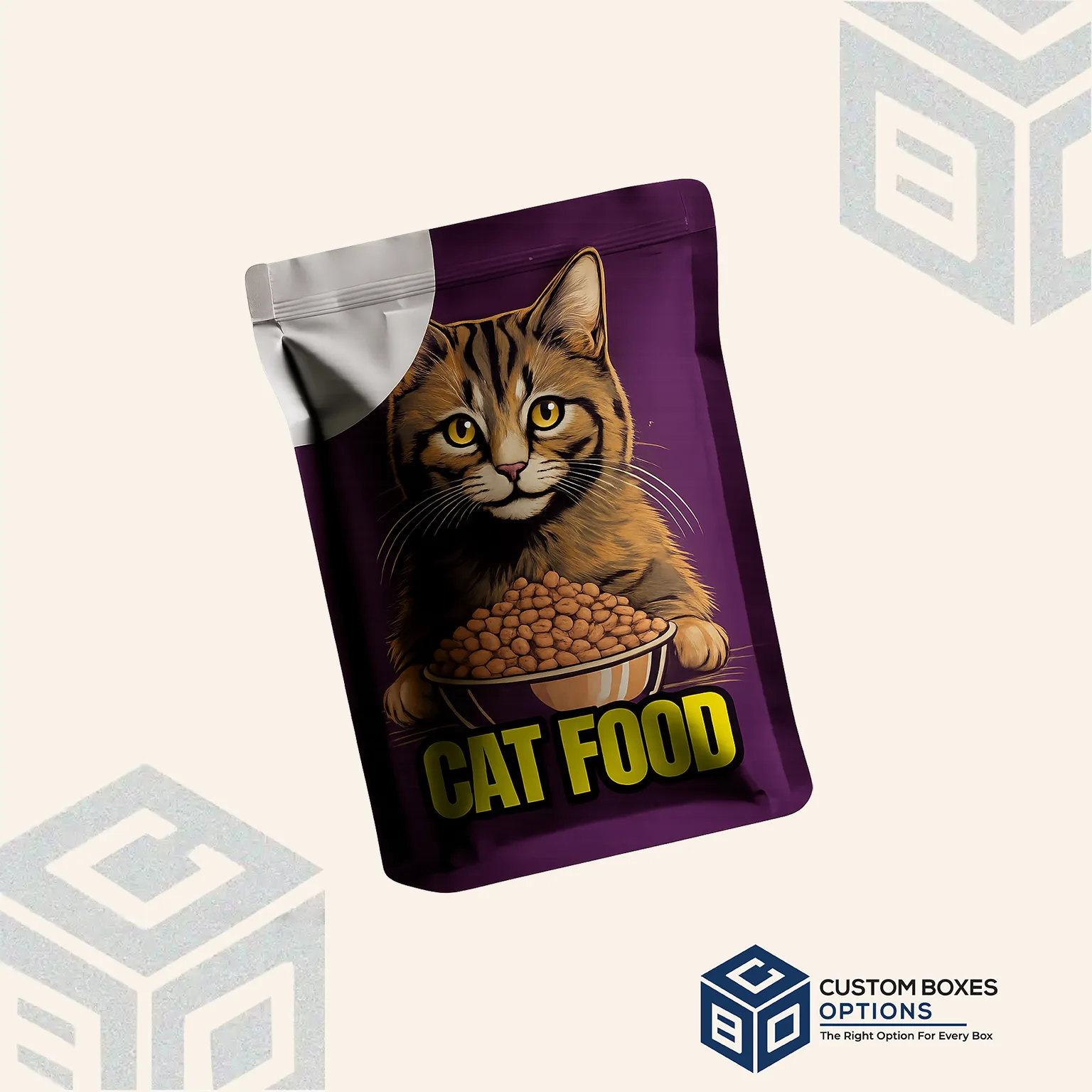
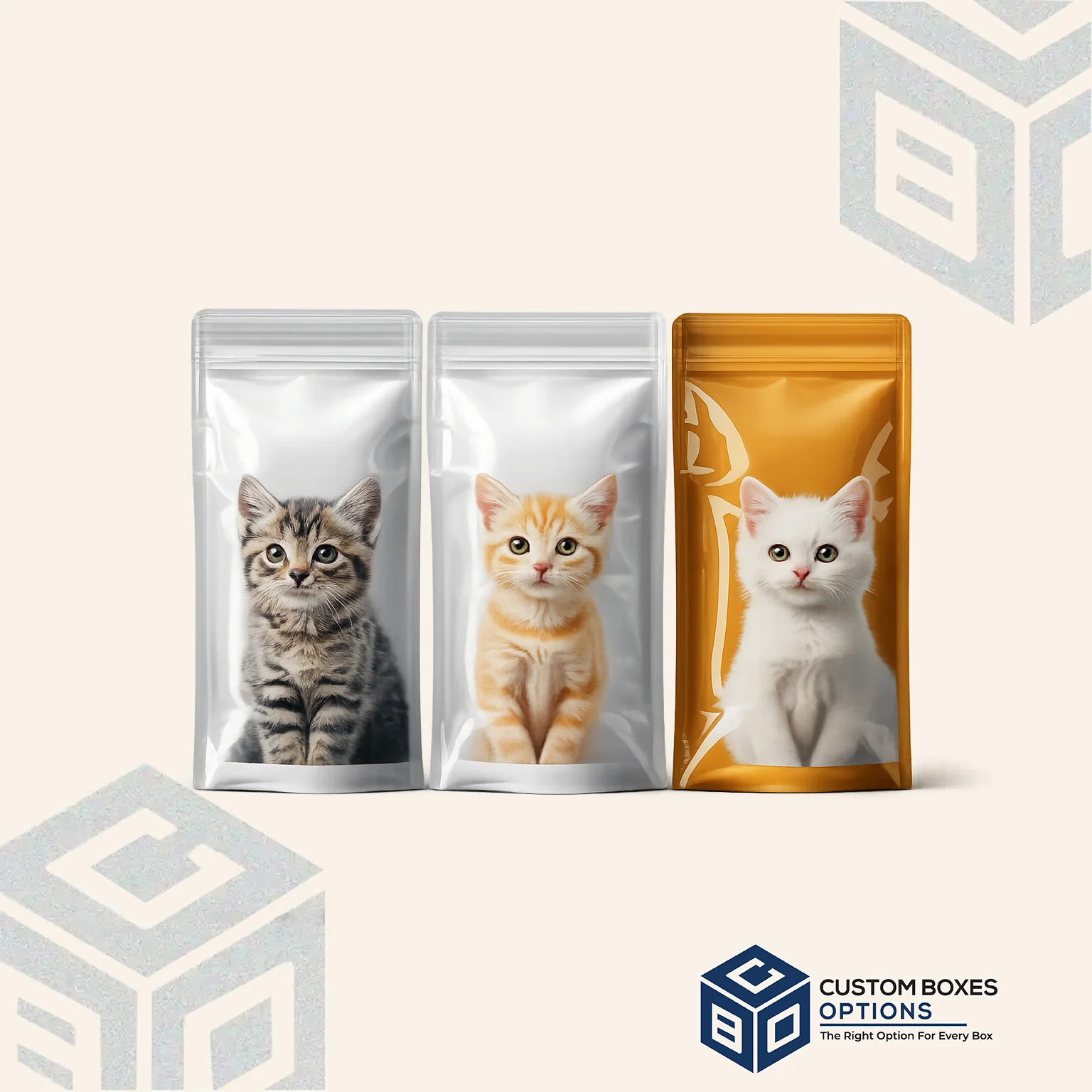
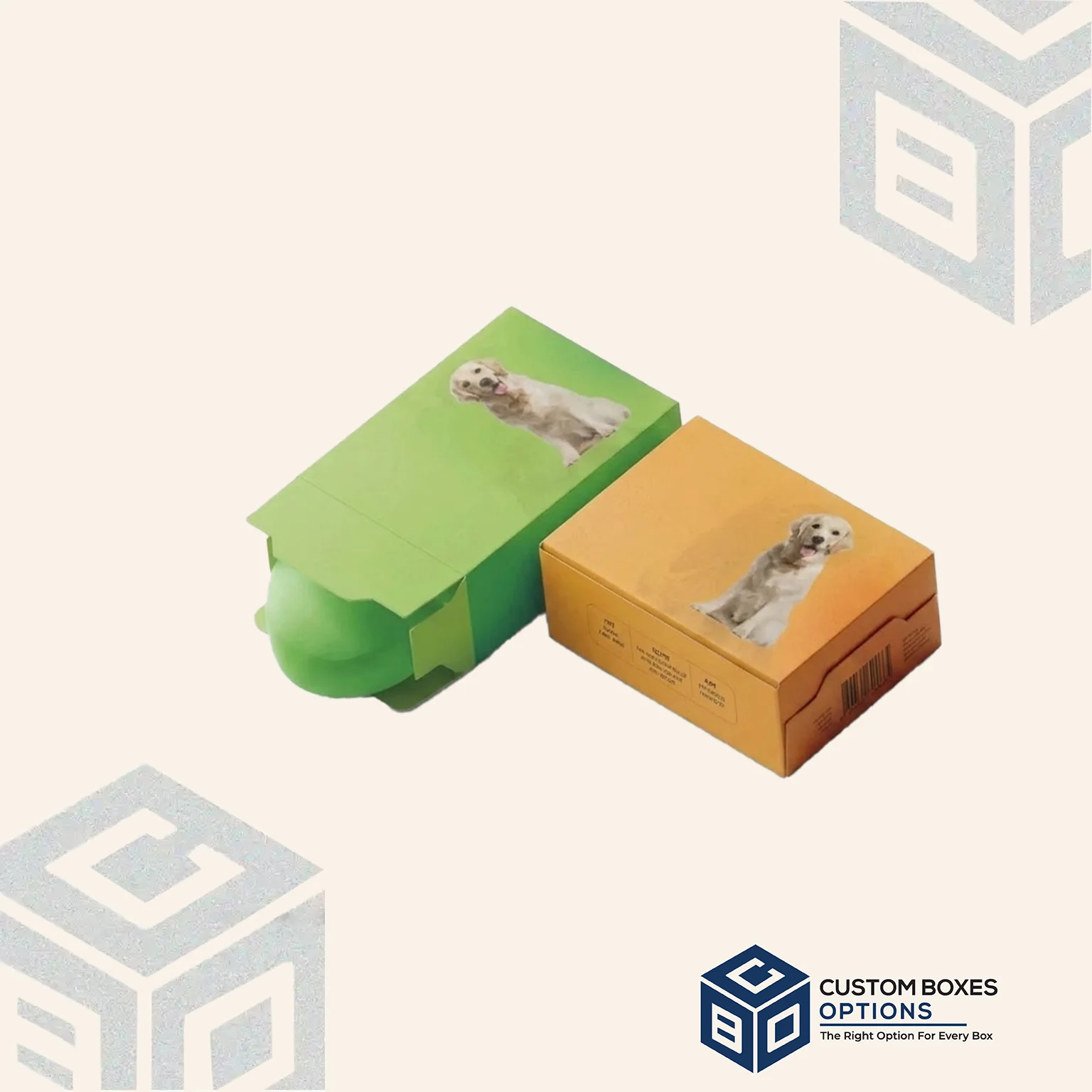
Cat Food Packaging Boxes split into two problems that share almost nothing. Dry food needs a fat barrier and a resealable opening for weeks of repeated scooping. Wet food is a multipack carton whose only real job is holding twelve heavy cans or pouches together through a courier network without splitting. We build both, with reinforced bases for wet multipacks and lined stock for dry formats, plus panel space sized for mandatory pet food labeling. Our printed carton manufacturer team specifies the board weight against the fill weight rather than a template. Request free physical samples before your first run.
Free Shipping
Free Design Support
Starting from:
$1.00 Original price was: $1.00.$0.50Current price is: $0.50.
In Stock
Ask ten brands in our pet packaging category what a cat food box is, and you get two completely different answers. Dry food is a lined carton protecting fat-heavy kibble. Wet food is a structural multipack carrying serious weight. Cat Food Packaging Boxes cover both, and the specification decisions barely overlap.
Sorting out which you need is most of what this page does.
Dry cat food carries meaningful fat content, and fat migrates into uncoated board over weeks. It shows up as a darkened patch bleeding through your print, the same failure that ruins any unlined carton; the barrier principles behind our grease-resistant paper grades apply directly.
A lined carton solves the migration. What it does not solve is what happens after opening.
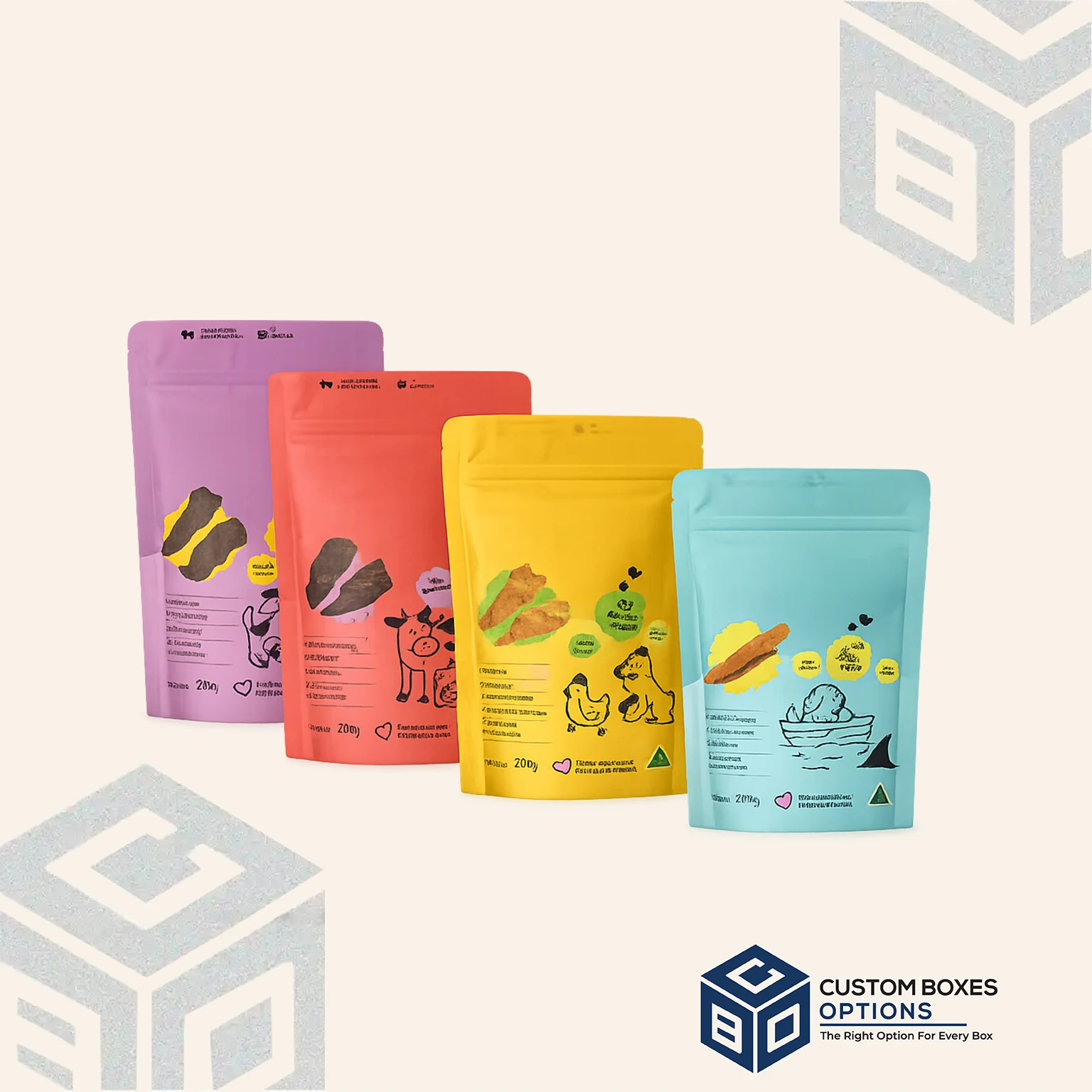
Cat owners scoop from the same pack for three or four weeks, which means the opening gets used repeatedly and the contents sit exposed between uses. A tuck flap does not hold. Resealable die-cut closures work better, and for premium formulations, a barrier inner pouch inside the carton is the stronger answer. Our foil and barrier pouch range handles that inner layer, while the carton carries the branding.
A wet food multipack does not need a barrier at all. The cans or pouches inside are already sealed.
What it needs is strength. Twelve cans are a genuinely heavy load, and the failure mode is a split base seam in a delivery van or a collapsed carton at the bottom of a warehouse stack.
We specify corrugated rather than folding carton for anything above a small count, with reinforced base construction and, where the retailer wants it, a carry handle. Grocery buyers care about how a multipack behaves on a pallet as much as how it looks on a shelf. For anything shipped directly to consumers, our corrugated shippers carry the outer case.
Single-serve wet food sachets sit between the two. They arrive as sealed pouches needing an outer retail carton, which is essentially a presentation and multipack problem rather than a protective one.
Variety packs are common here, and mixed-flavor counts benefit from die-cut insert tooling to keep sachets aligned and prevent shifting that makes a carton rattle in a customer’s hand.
Cat food falls under FDA oversight, with most states adopting the AAFCO model labeling. Your panels need to carry product identity and species designation, net quantity, guaranteed analysis, ingredient list, nutritional adequacy statement, feeding directions, and manufacturer details.
Cats have a particular wrinkle: taurine content and life-stage claims draw more label scrutiny than in dog food. We size panels around the full requirement at the structural stage rather than discovering the fit problem at the artwork.
As with our dog food carton specifications, we build the space and lay out what you supply; the content itself needs review by someone qualified in pet food regulation before print.
Dry food is an attractant, and warehouses storing it manage rodents and stored-product insects routinely. Tight seams and fully glued closures matter more than raw board thickness. We close flap gaps at the design stage on anything spending time in bulk storage.
Cat food buyers read labels closely, and premium formulations compete on perceived quality on the shelf. Matte lamination hides handling marks across a long shelf life better than gloss. Soft-touch coating lifts perceived value on premium lines.
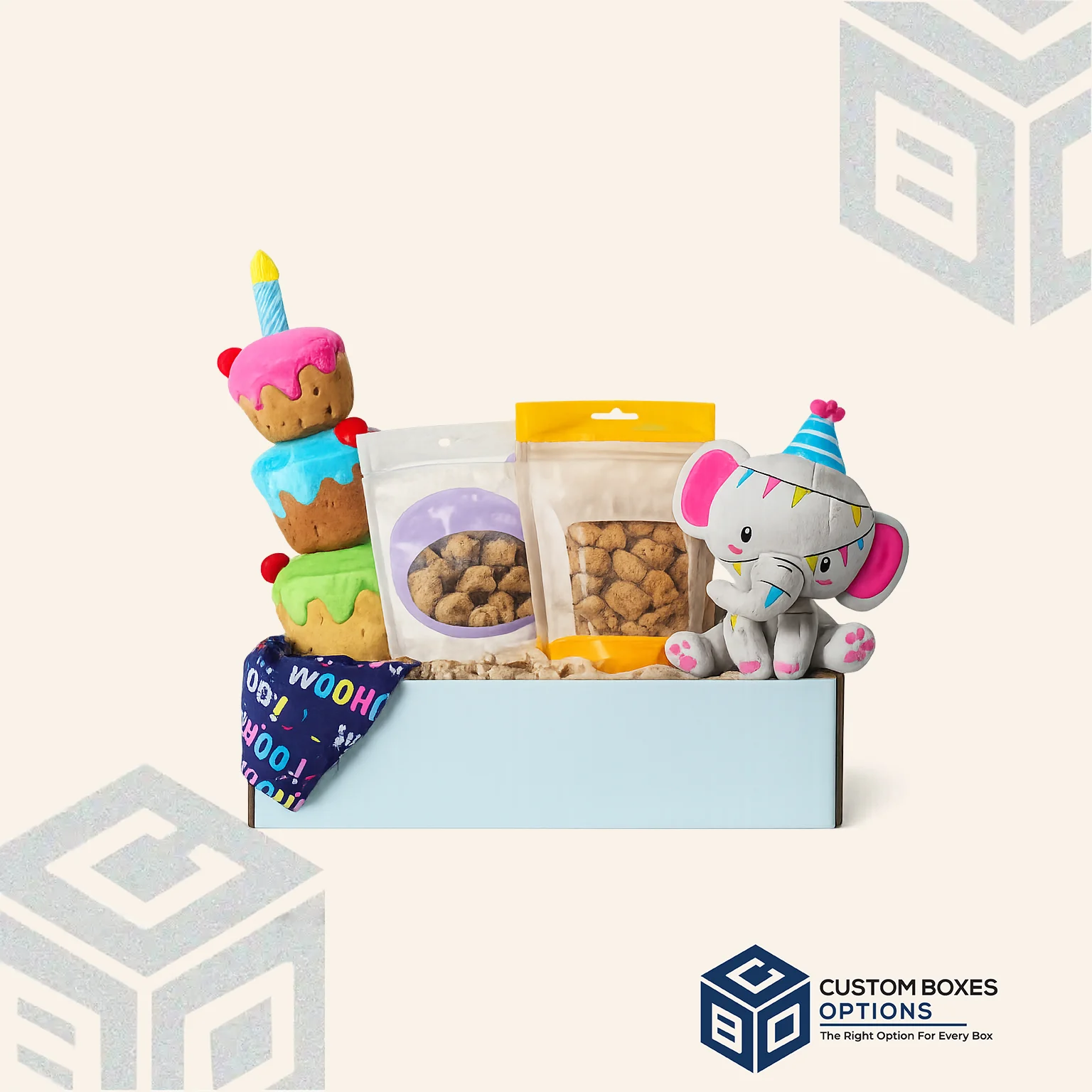
Where a brand runs treats alongside the main range, carrying one design across cartons, resealable treat pouches, and printed peg hanger cards makes a shelf block read as one brand rather than three suppliers. Batch and expiry coding stays cleanest on applied labels, and premium gift or sample sets suit rigid board construction.
Request a free quote and a 3D mockup for your Cat Food Packaging Boxes, and we will confirm the format and board weight against your fill first.
Reviews
There are no reviews yet.