
Free Shipping
14-Days Returns
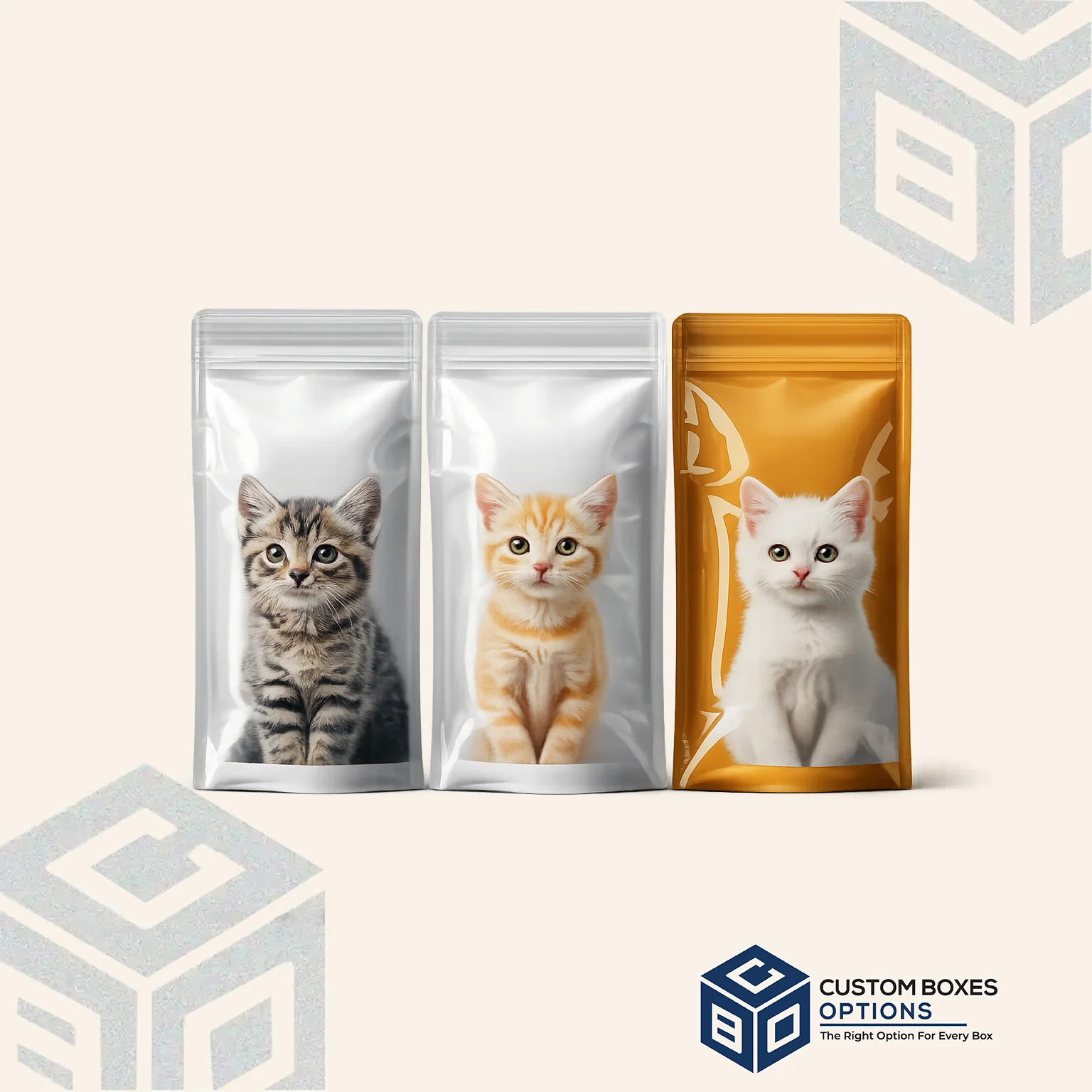
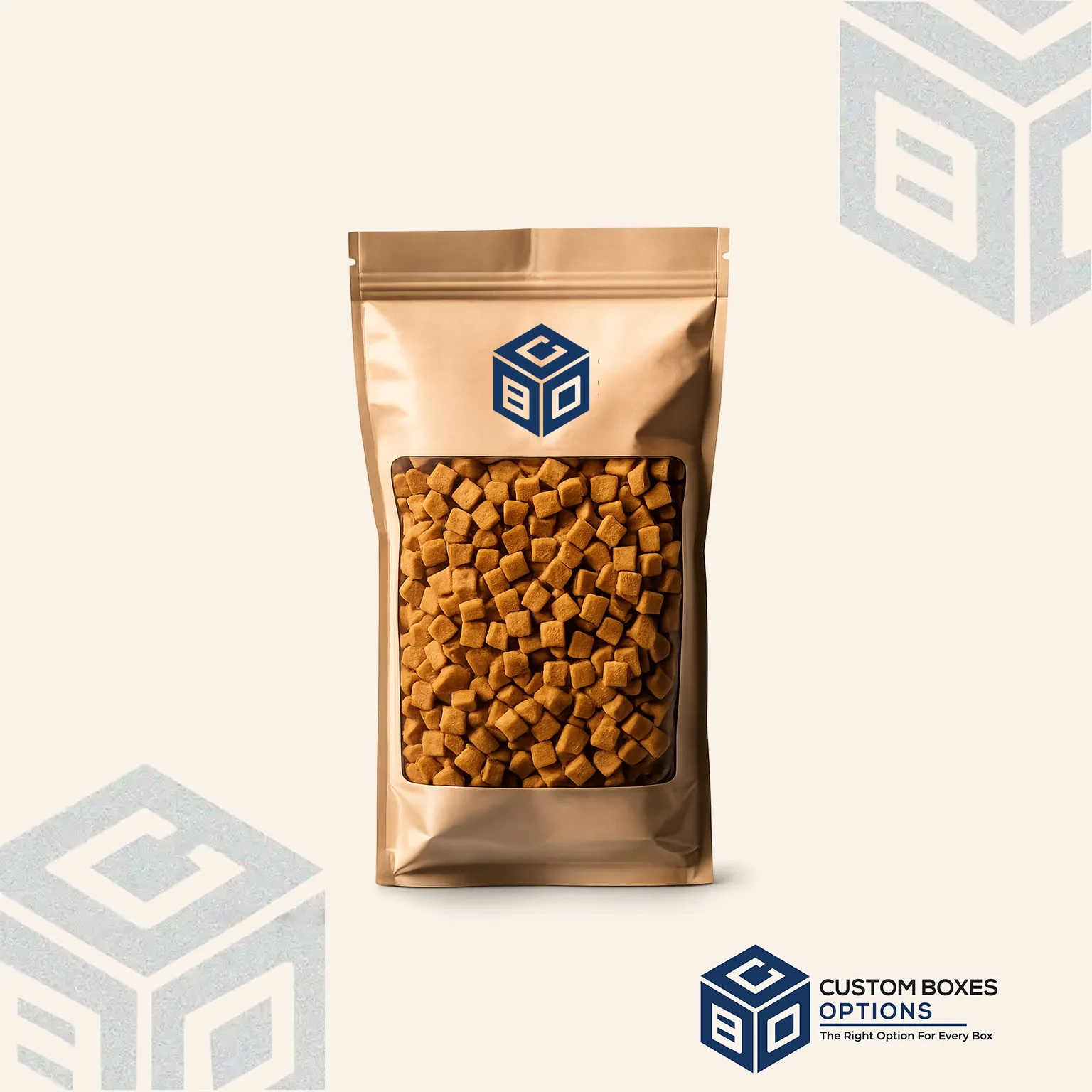
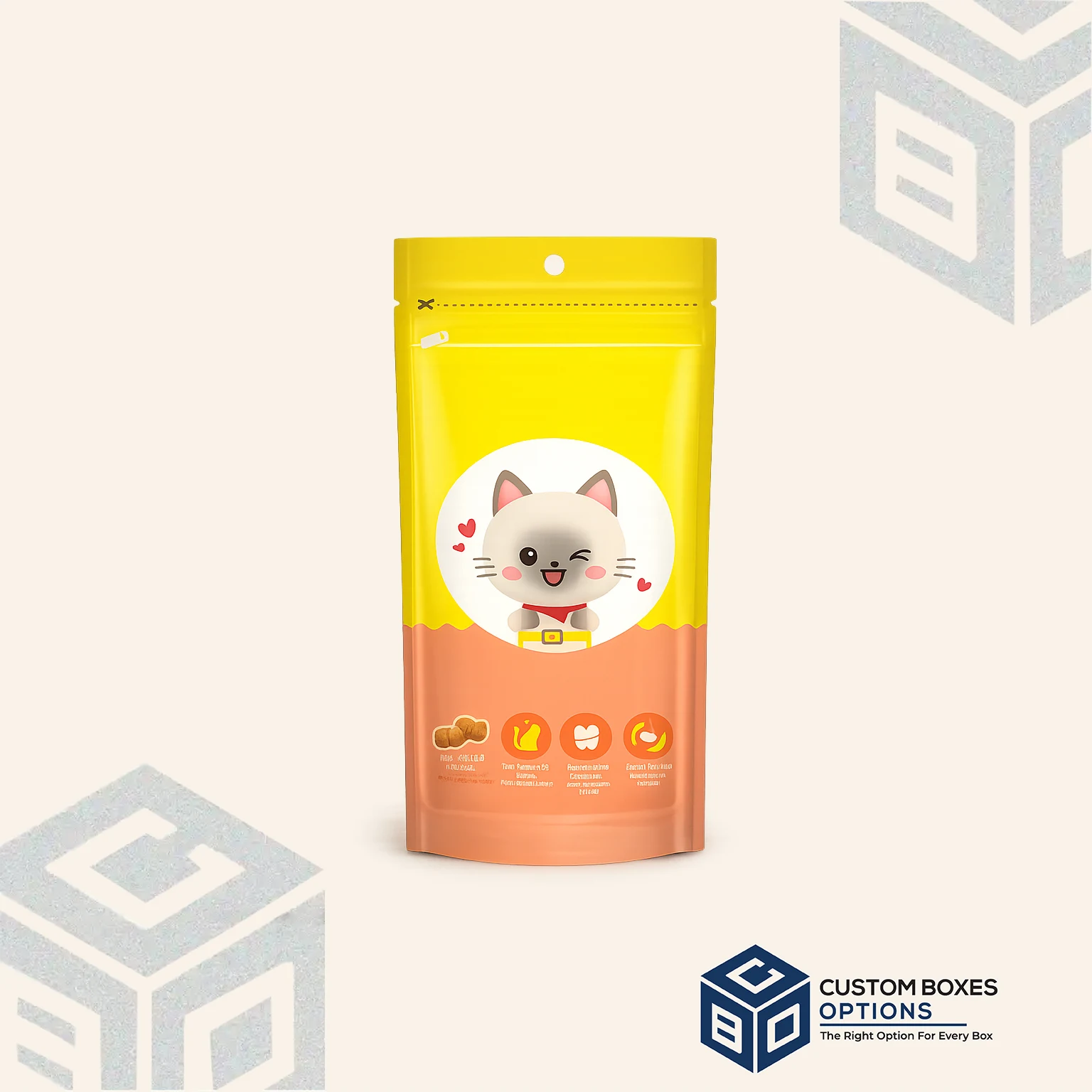
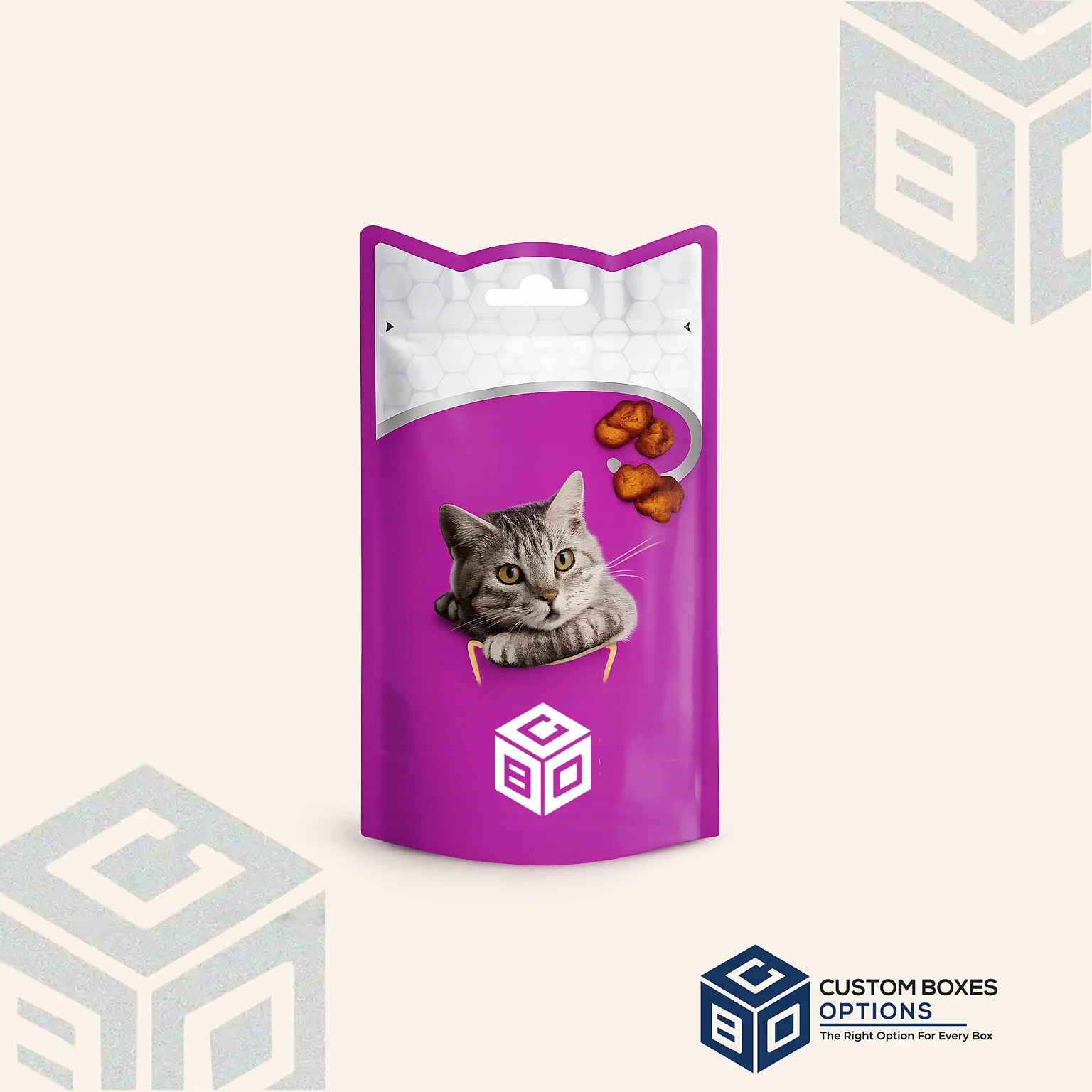
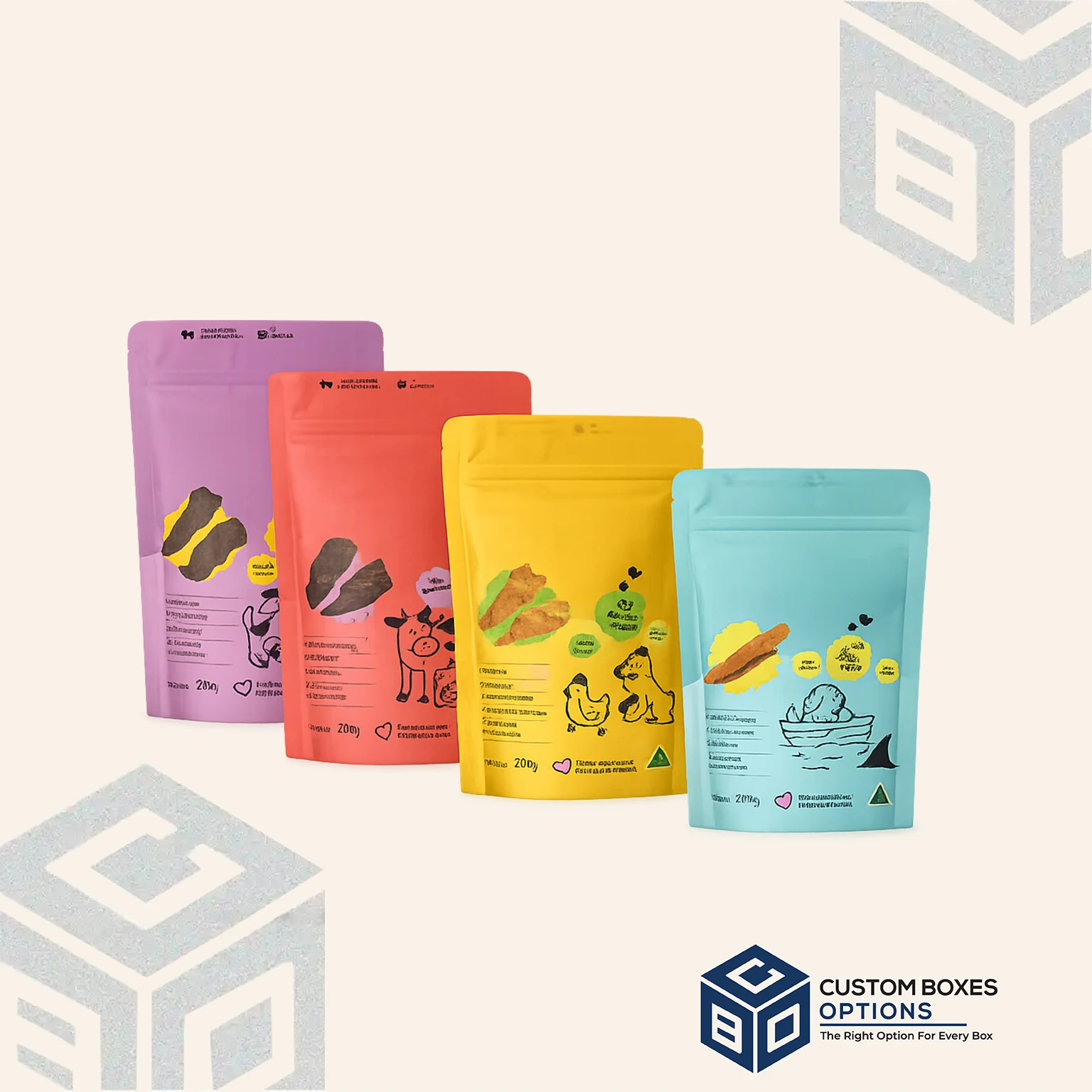
Cat Treats Pouch packaging gets opened more often than almost any product in the pet aisle. A cat takes three or four treats at a time, so a single pouch is opened and resealed dozens of times before it empties. That makes the closure the load-bearing component, not the film. We build stand-up and pillow formats with press-to-close zippers, tear notches, and barrier laminates matched to your treat type, because crunchy and semi-moist need opposite protection. Our flexible packaging supplier team specifies the film structure based on your shelf life. Request free physical samples before your first run.
Free Shipping
Free Design Support
Starting from:
$1.00 Original price was: $1.00.$0.50Current price is: $0.50.
In Stock
Across our pet packaging range, cat treats are the format defined by repeated opening. Dog food gets scooped from a large bag. A Cat Treats Pouch gets opened, resealed, and thrown back in a cupboard three or four times a week for a month.
That usage pattern, not the manufacturing spec, determines what a good pouch looks like.
This is the specification error we see most often, and it comes from treating “treat packaging” as one category.
Both are solved by a good barrier film, but the film structure differs, and so does the tolerance for a slightly imperfect seal. Tell us which category your product falls into before anything else; it is the first question we ask.
Film failures are rare. Closure failures are constant.
A press-to-close zipper has to survive being opened with one hand, often by someone holding a cat off with the other. A cheap zipper track flattens after a dozen cycles and stops sealing, at which point the pouch is functionally an open bag, and the treats go stale regardless of how good the film is.
Cats respond to smell before anything else, and treat manufacturers formulate for aroma deliberately.
A pouch with a weak barrier lets those volatiles escape across the retail window. The treats are chemically fine, and the cat is less interested, which reads to the owner as a product that does not work.
Foil and metallized laminates hold aroma far better than clear film. Where you want product visibility, a small window on an otherwise foil structure is a reasonable compromise. Brands already working with our foil barrier pouch options usually carry the same structure across their treat line.
Treats are fat-heavy, and fat oxidizes under oxygen and light exposure. The result is off-odor and palatability loss before the printed date, the same shelf-life issue behind our dog food carton specifications, amplified because a treat pouch spends weeks partially open in a customer’s home.
Opaque or metallized film blocks the light half of that equation. Zipper integrity handles the oxygen half.
Add a hang hole if your buyer merchandises on peg rather than shelf; the same fixture consideration behind our printed peg hanger cards.
Treats fall under the same regulatory framework as complete pet foods, so panel space needs to accommodate guaranteed analysis, ingredients, feeding guidance, and manufacturer details alongside your brand design.
Rotogravure and digital printing both work here; digital suits shorter runs and multiple flavor SKUs without separate plate costs. Batch and expiry coding sits cleaner on applied labels than on the film itself.
Request a free quote and physical samples for your Cat Treats Pouch, and we will confirm the film structure against your treat type and shelf life first.
Reviews
There are no reviews yet.