

Custom Retail Boxes
Get a Free Quote
Get In Touch
Share Your Details
We’ll create a design and 3D mock-up for your approval.
Customization
Approve the design to start the production of your bulk boxes.
Free Delivery
Avail of free shipping on both no minimum and bulk packaging orders.

Free 3D Mockup
Finalize the order to enjoy the free 3D packaging design mockup.
Quality Assurance
Providing the promised quality of custom packaging boxes wholesale.
Custom Retail Boxes answer to two masters. Your product has to fit inside, and the retailer’s shelf has to fit the box. Most packaging projects plan only for the first, then discover at the buyer meeting that the assigned facing is narrower than what they built. We size retail packaging around the planogram slot as well as the contents, build in shelf-ready features that speed up stocking, and place barcodes so they scan the first time. Boxes, bags, and point-of-sale formats across two dozen product types, all with a free 3D mockup before production.
The Planogram Comes Before Your Product
This is the constraint most brands meet too late.
Retailers allocate shelf space through a planogram, a diagram assigning every SKU a specific width, height, and depth. Your box does not get a slot sized to it. It gets a slot, and the box has to fit.
The consequences are concrete. A box an inch too wide loses a facing, cutting your visible shelf presence by a third. A box too tall for the shelf pitch gets laid down instead of stood up, hiding your front panel. A box too deep pushes stock out of alignment and gets flagged at reset.
Ask your buyer for the planogram specification before finalizing dimensions. Designing for the product alone and hoping the shelf accommodates it is the most expensive mistake available in this category.
Shelf-Ready Packaging: The Five Easies
Retail-ready packaging is judged against a framework the grocery sector has used for years. It’s a useful checklist regardless of channel.
- Easy to identify: a colleague pulling stock from a pallet should recognize the product without opening anything.
- Easy to open: perforated tear strips beat box cutters. A knife slip damages sellable stock.
- Easy to shelf: the case should convert to a tray or transfer in one motion.
- Easy to shop: the front panel communicates at arm’s length, and one unit lifts out without disturbing the rest.
- Easy to dispose of flattening should be obvious, and the material should go into one recycling stream.
Vendor Compliance Is Where Money Leaks
Larger retailers publish vendor packaging guides specifying case dimensions, marking, pallet configuration, and barcode standards. These are contractual, not advisory. Non-compliant deliveries generate chargebacks, and repacking at a distribution center is billed back to you.
Two areas cause most problems. Barcode placement: most guides specify which panel and how far from each edge, so a code that scans perfectly in the wrong position still fails compliance. Codes also need clear margins on either side, dark bars on a light background, and full bar height, as set out on our retail hang tags page. And case markings, SKU, quantity, and often a GS1 case code, are positioned consistently. Applied labels handle variable data more cleanly than printing into the carton.
Send us the vendor guide with your artwork, and we’ll build to it.
Counter and Impulse Formats
These never appear on a planogram. They sit at the till, in a dump bin, or on a clip strip, and they’re bought in three seconds without comparison.
That changes the design brief entirely. The box is seen from inches away rather than across an aisle, so print quality and finish matter more than shelf standout. Small format also means very little panel space for mandatory copy.
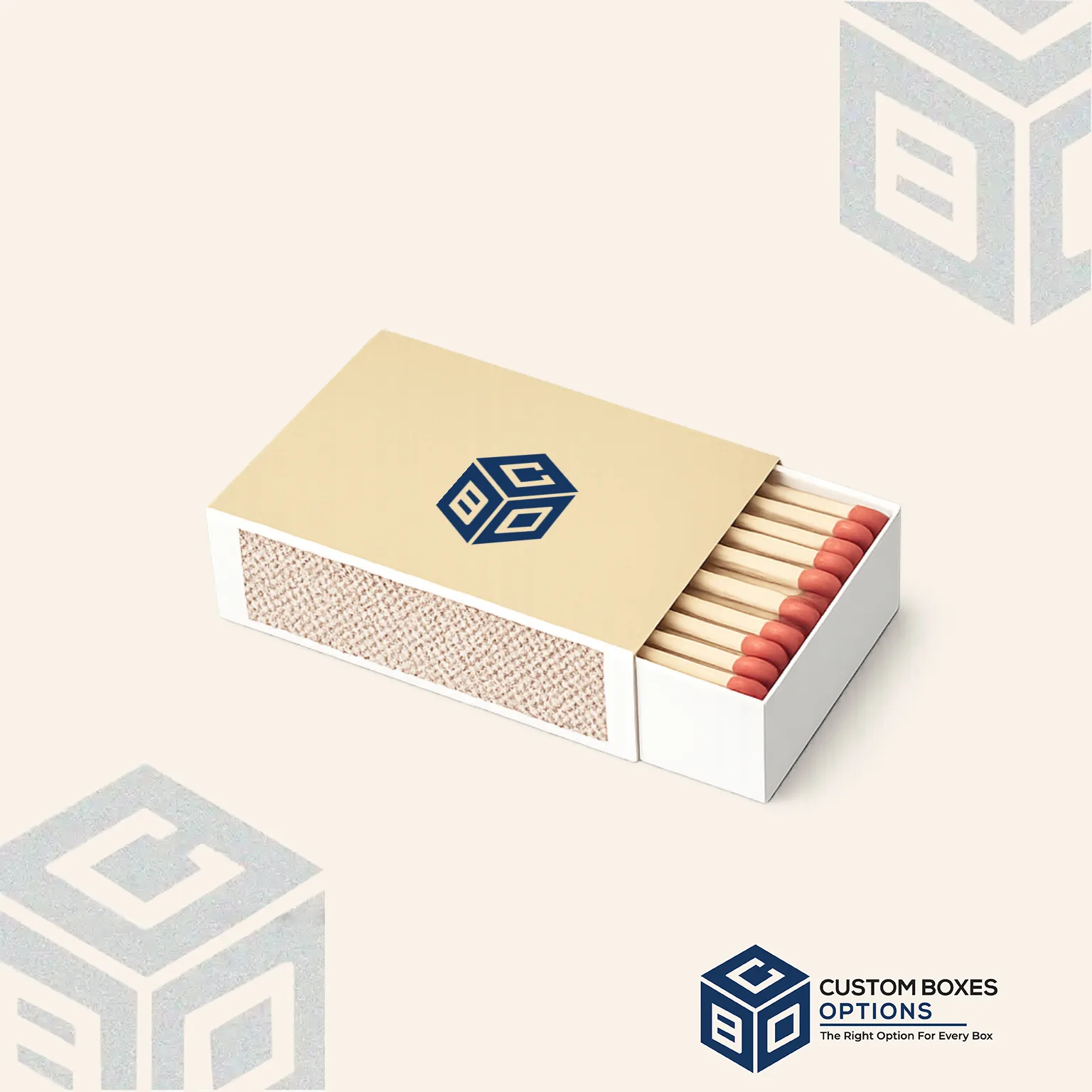
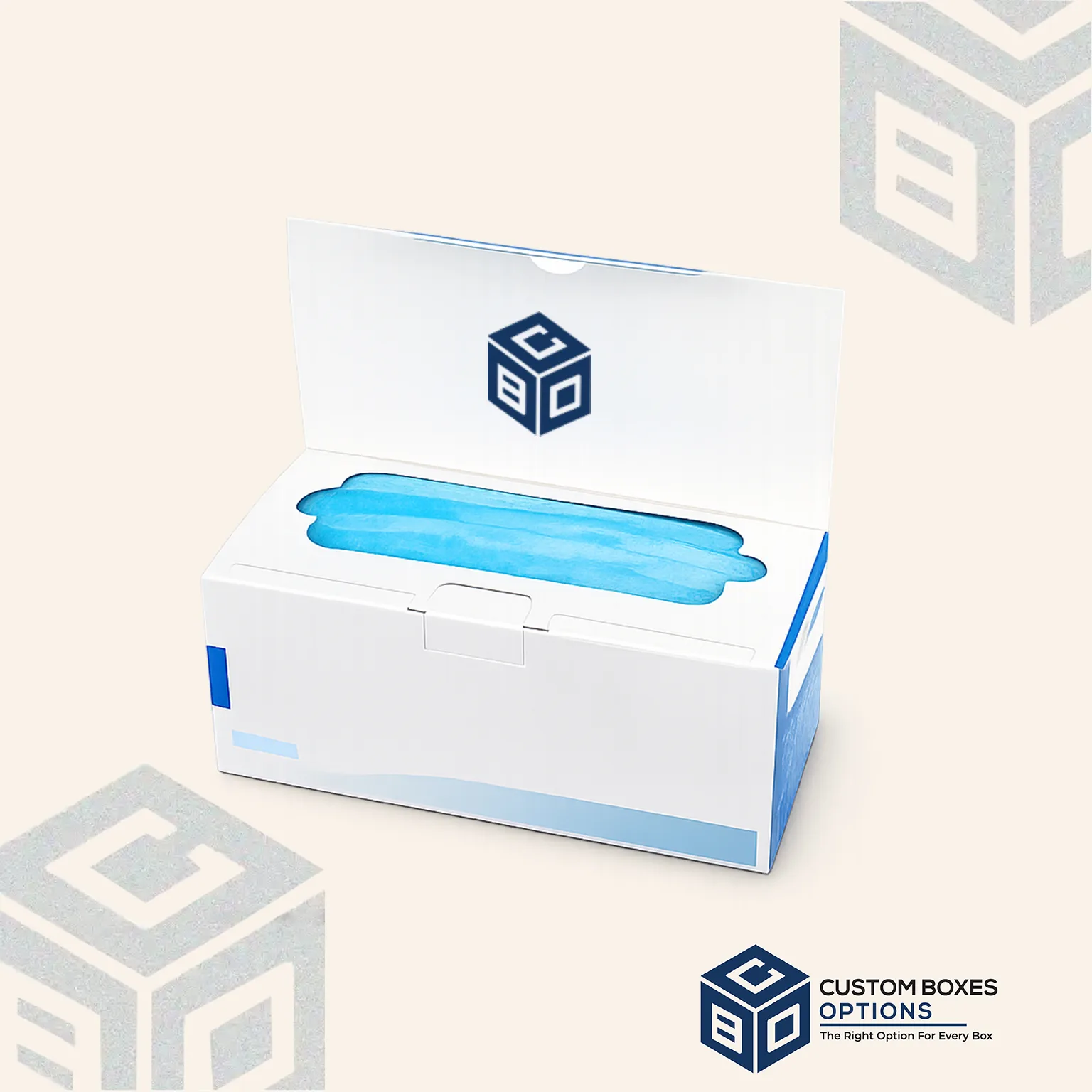
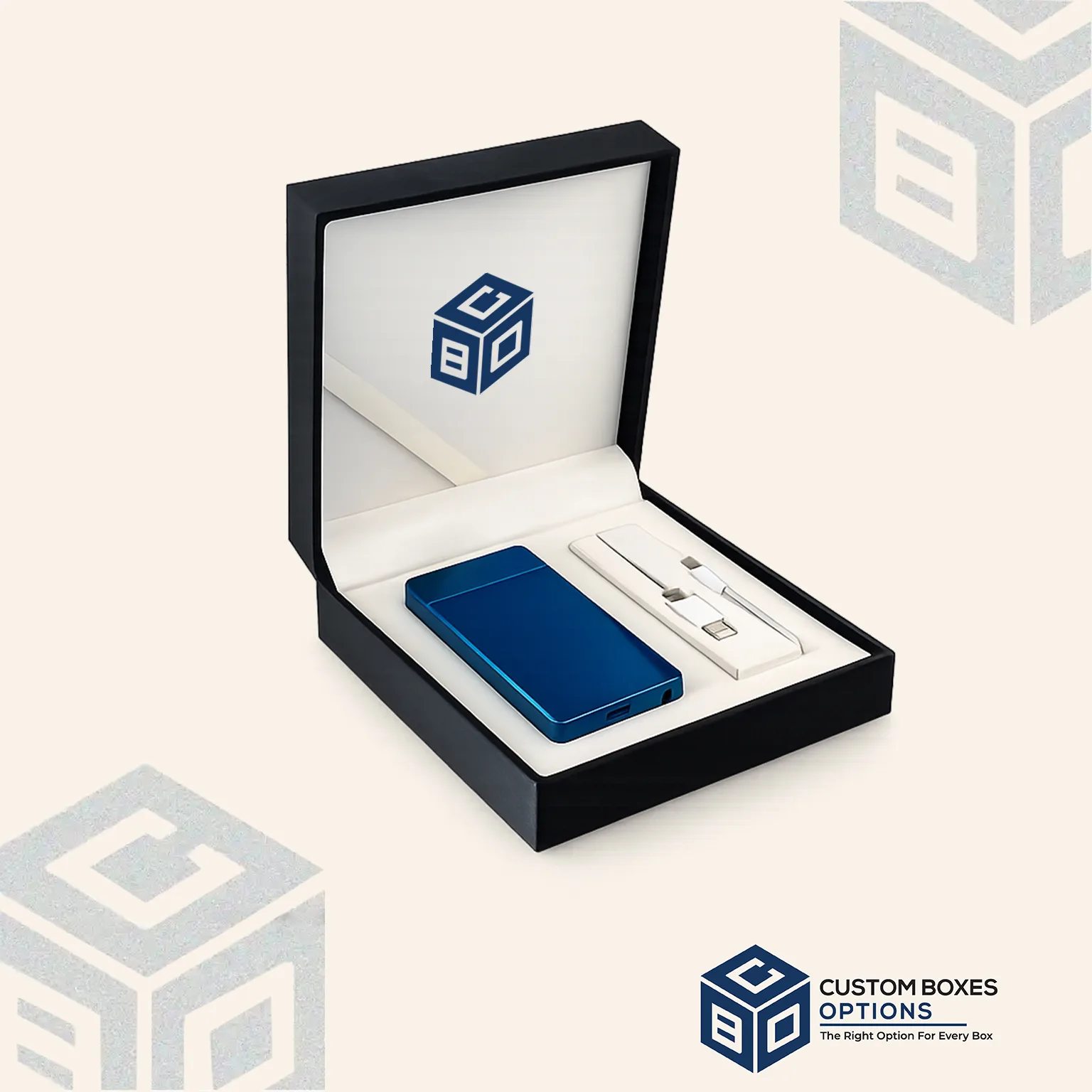
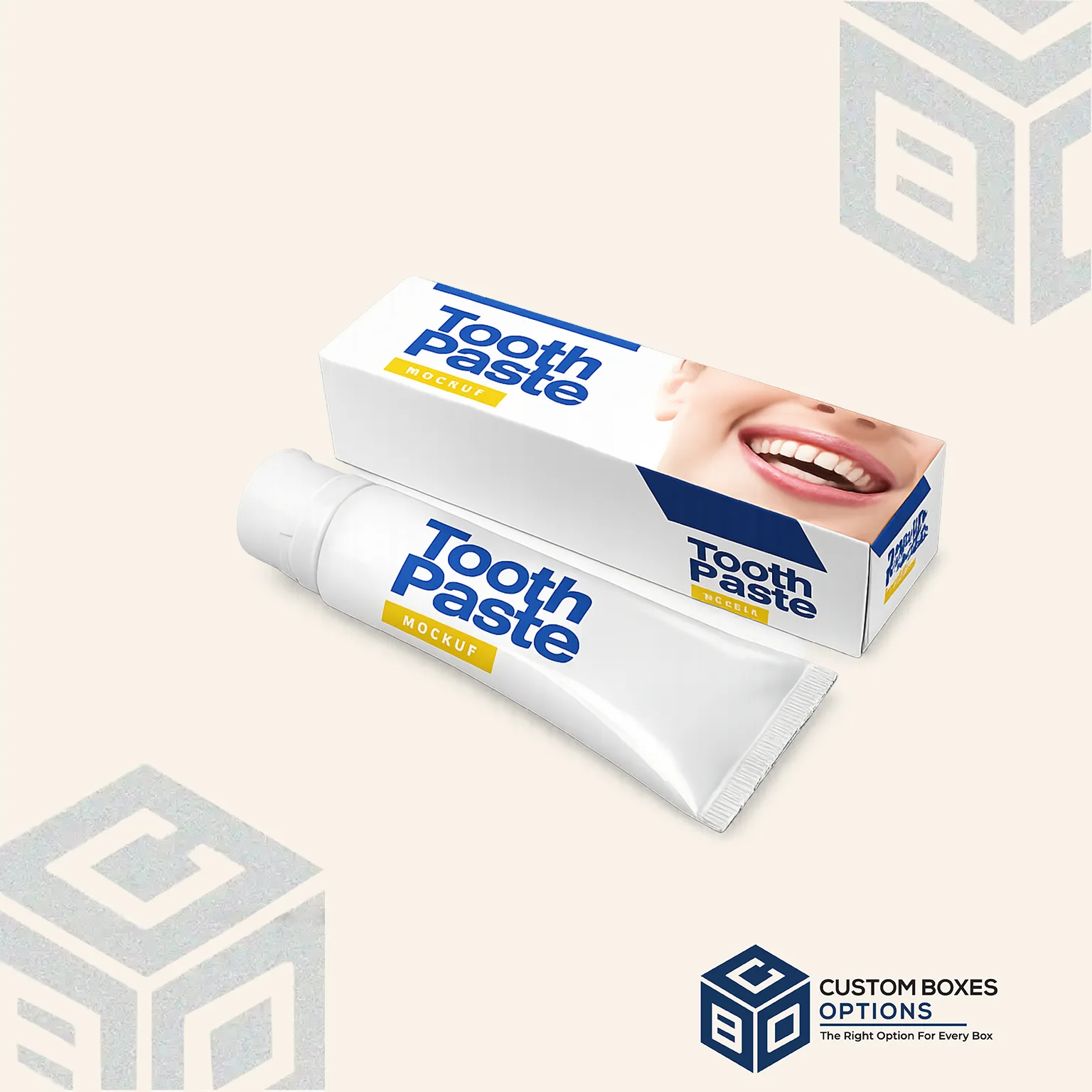
Several of these carry their own requirements. Custom Match Boxes need a friction striking surface, which is a structural specification rather than a print treatment. Custom Lighter Boxes carry safety and age-restriction copy. Custom Toothpaste Boxes fall under FDA over-the-counter drug labeling, which requires a defined Drug Facts panel, a substantial block of copy for a narrow carton. Custom Masks Boxes need claim wording handled carefully depending on classification. Incense Boxes are the most straightforward of the group, though scent migration through uncoated board is worth planning for.
Tech and Accessory Packaging
Electronics accessories have two demands at once: the product needs physical protection, and the opening is part of what the customer paid for.
Molded pulp or die-cut inserts hold the unit and manage cables, using the same tooling approach as our insert box formats. Interior print earns its cost here more than in most categories, because the buyer is engaged at the moment the lid comes off.
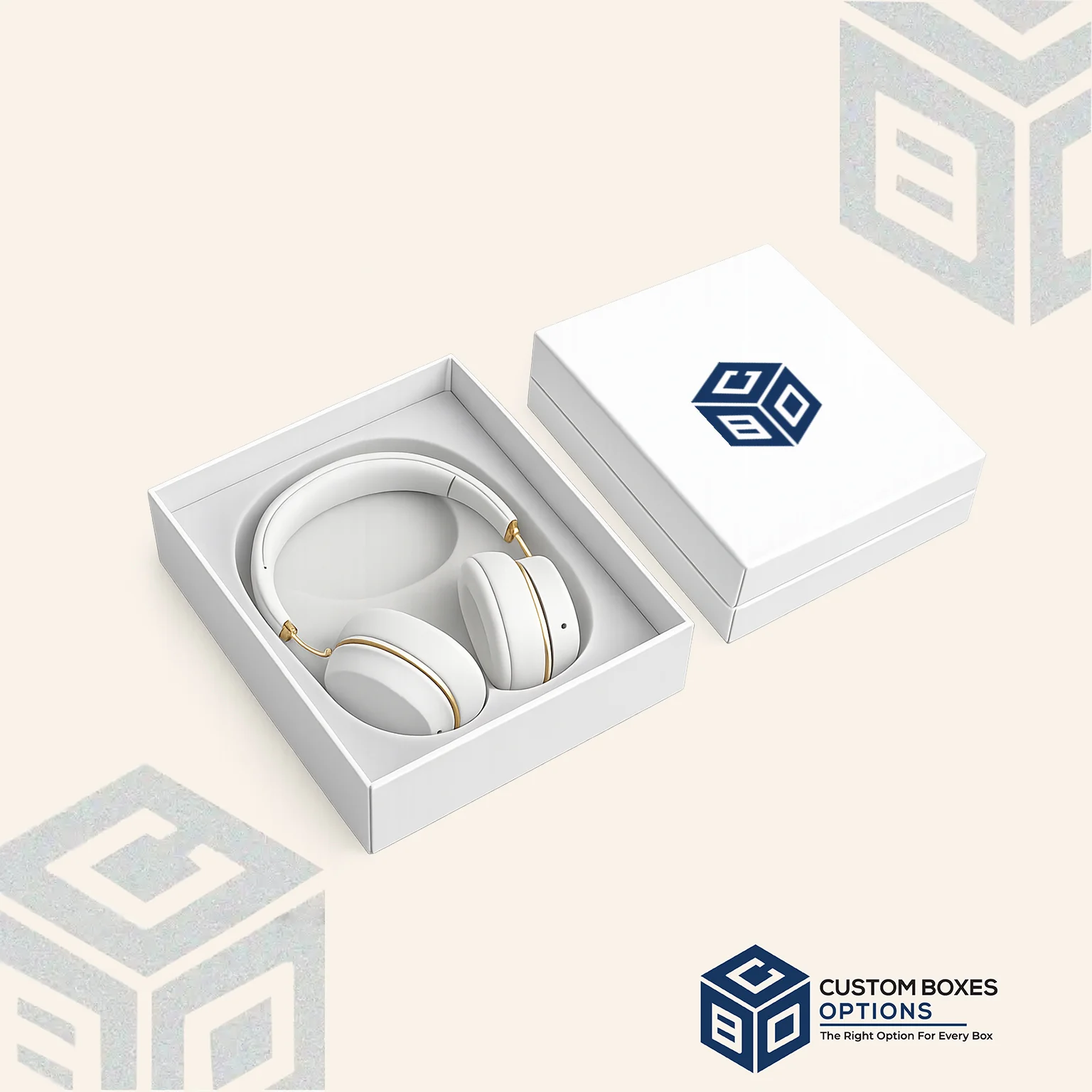
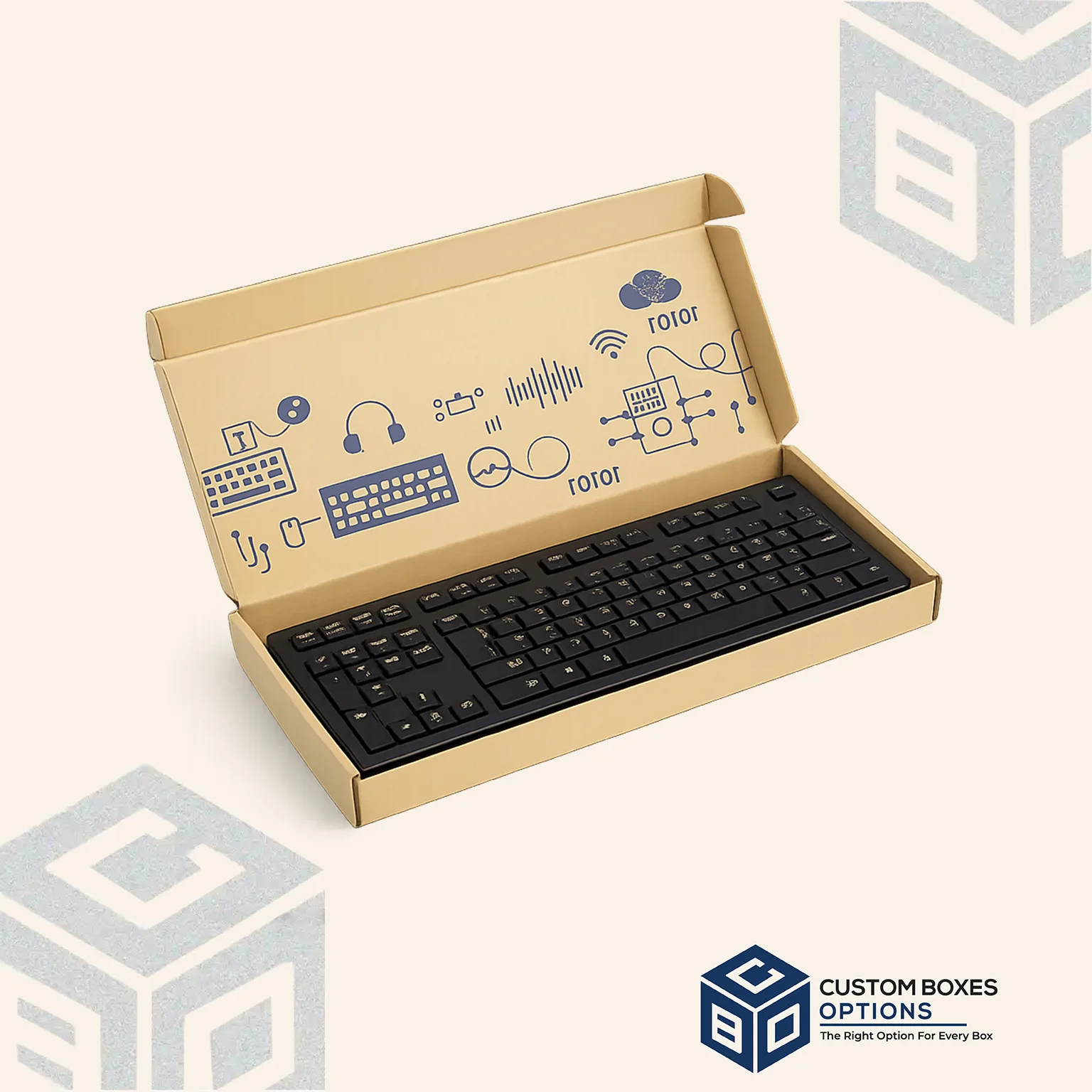
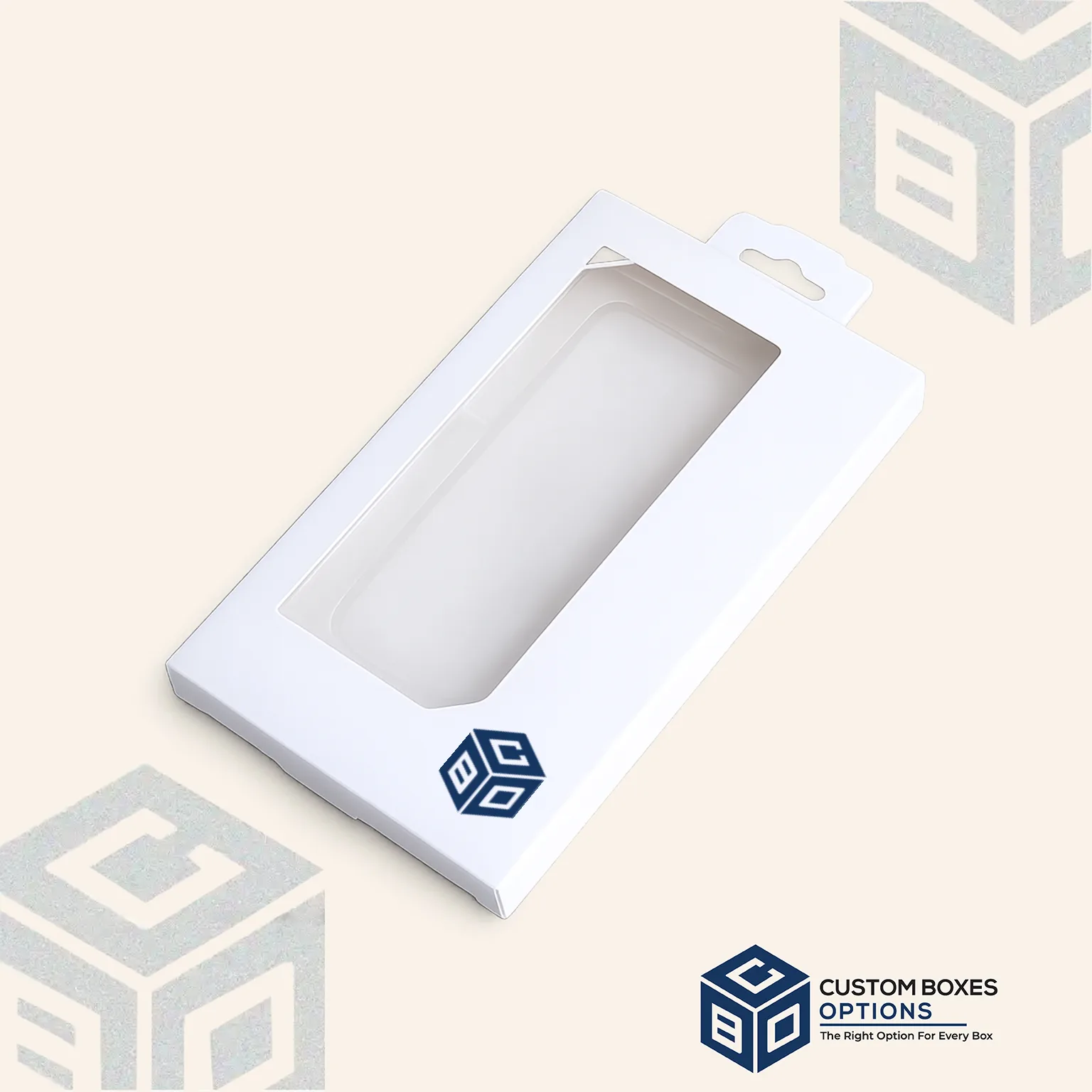
Custom Headphone Boxes and Custom Keyboard Packaging are both weight-and-cable problems. Custom Phone Case Boxes have a different one entirely: SKU proliferation. One case design across forty handset models is forty SKUs. Printing the model into the carton means forty print runs; an applied label or variable data print keeps it to one.
Stationery and Desk Formats
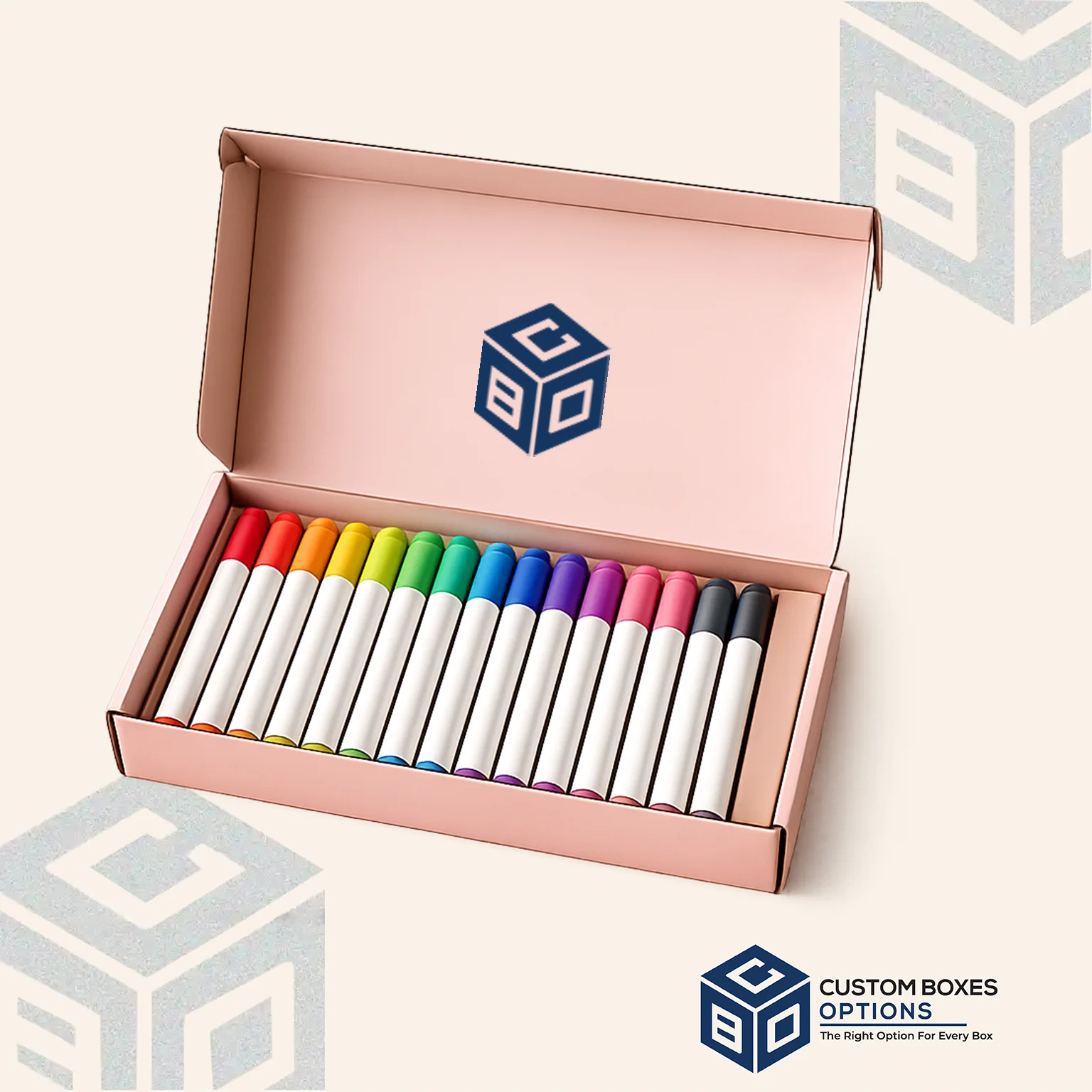
Custom Pen Boxes sit almost entirely in gifting, which usually means rigid construction with a fitted insert so the pen presents rather than rattles. Custom Marker Boxes are the opposite of brief multi-unit sets, needing dividers that keep units upright and visible.
Custom Business Card Boxes are the tightest tolerance job in this group. A stack of a hundred cards has a specific height that varies with stock thickness, and a box built even slightly loose lets the stack shift and bend corners. Send us your card stock weight, not just the count.
Gift and Presentation Formats
Custom Wrist Watch Boxes need a cushion or pillow insert holding the strap in a display curve, since a watch laid flat looks like a spare part. Rigid construction is standard, and the same build logic applies to our rigid box formats.
Custom Mug Boxes are a structural problem disguised as a gift box. Ceramic is heavy, and the handle is the weak point; it takes the impact in any drop and snaps first. Corrugated with a die-cut insert that supports the handle rather than leaving it suspended is the working specification, particularly for anything shipped direct.
Shaped and Novelty Formats
Custom Cube Boxes have a design quirk worth planning for: six equal faces and no natural front. Either designate one panel and accept that the others are secondary, or design all six to work, since you cannot control which lands facing out.
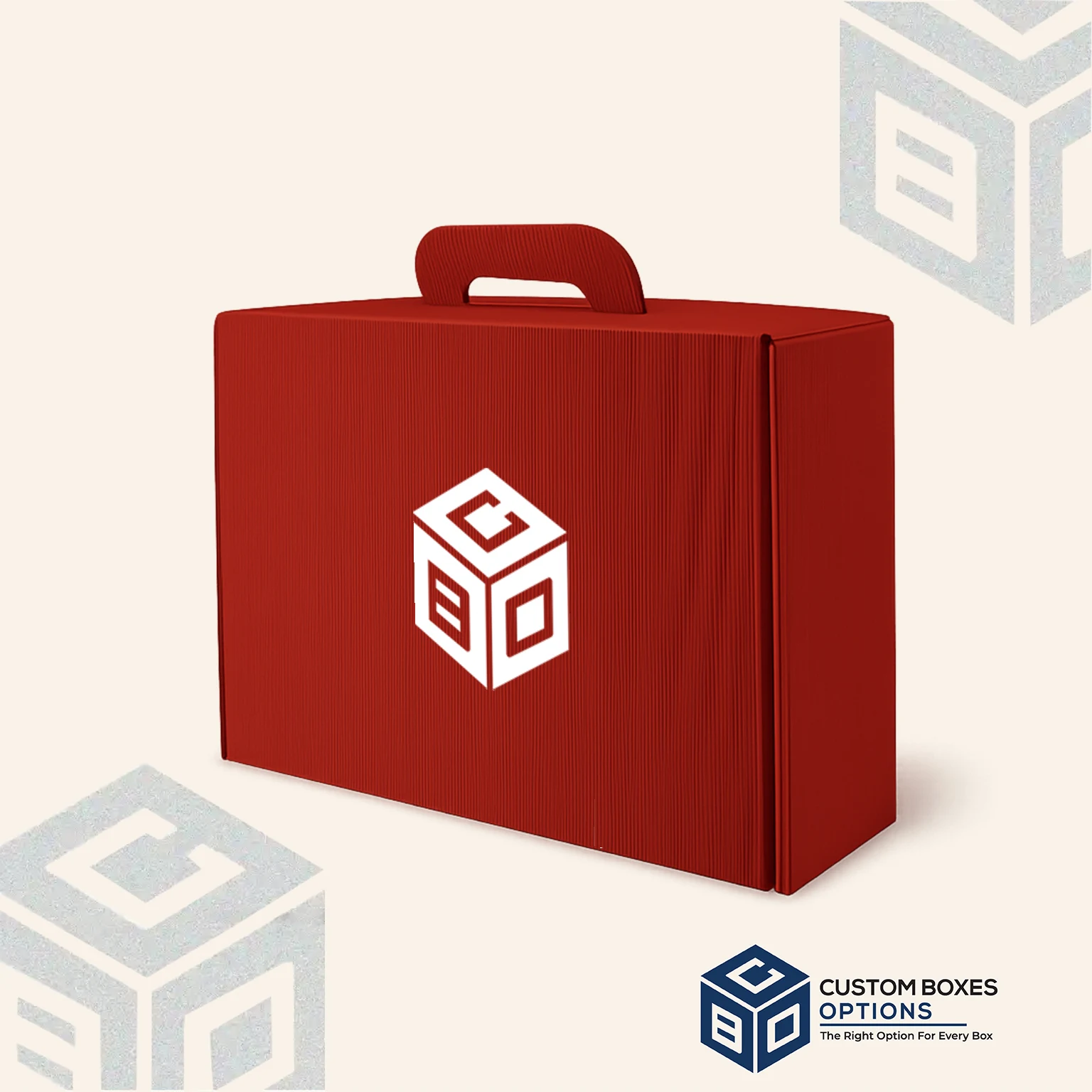
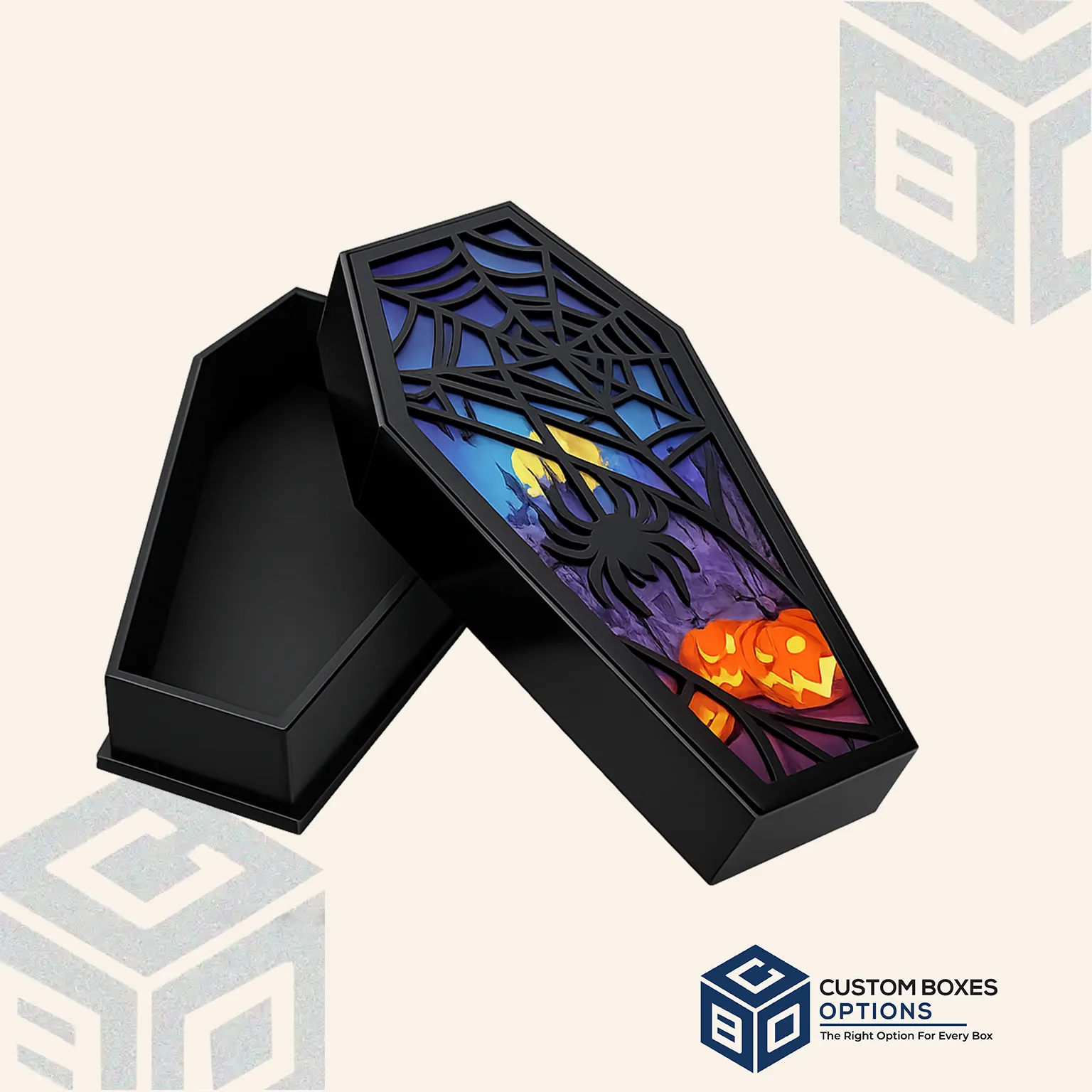
Custom Suitcase Boxes carry a handle and latch detailing, which makes them structural rather than decorative. The handle attachment is where they fail. Custom Coffin Boxes sit in seasonal and gothic gifting, where custom tooling follows the process on our die-cut hang tags page.
Bags and Carriers
Bags fail at the handle, always. Rope, ribbon, twisted paper, and die-cut handles each have a different weight rating, and the reinforcement patch behind the attachment point matters more than the paper weight.
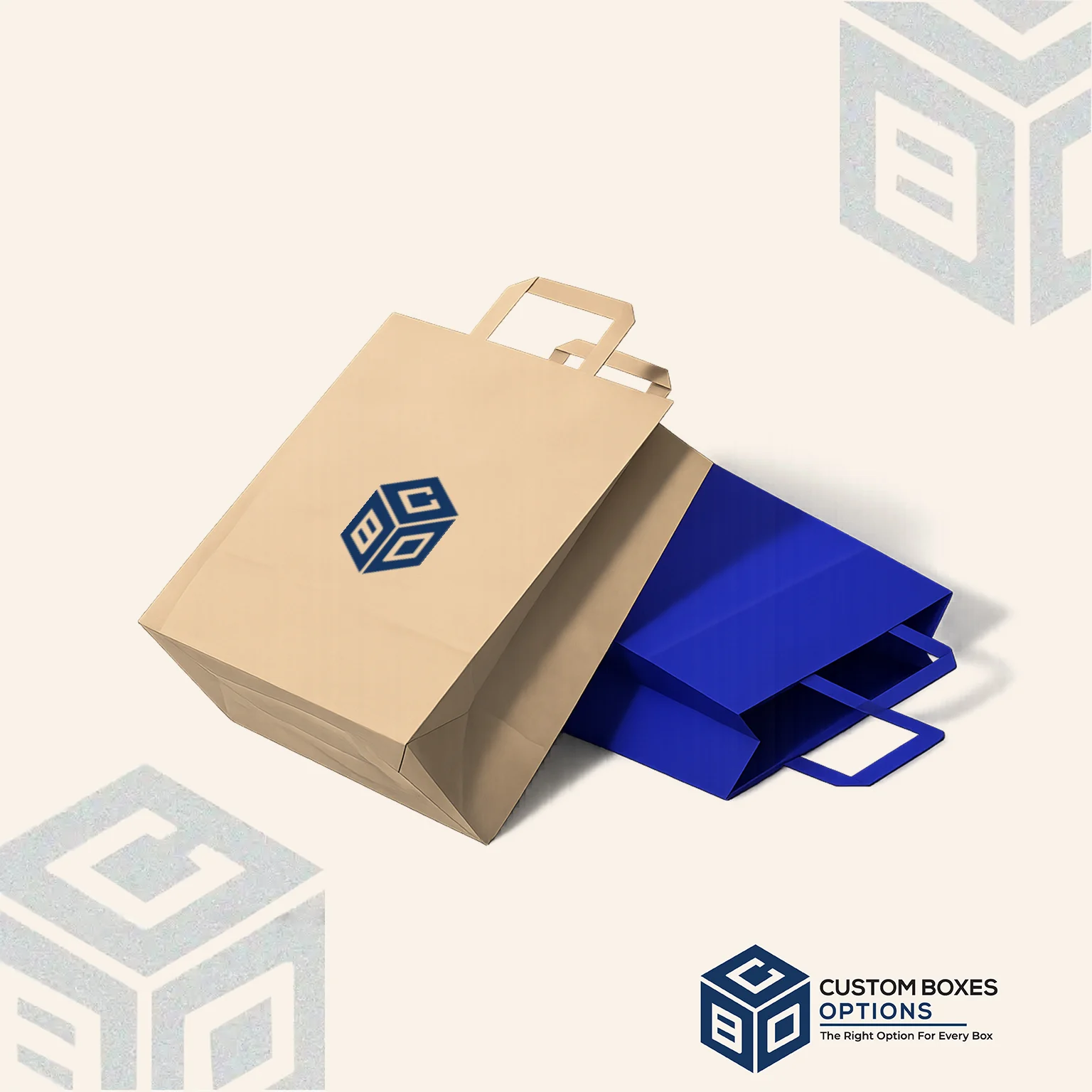
Custom Carrier Bags are the retail workhorse and need a base insert for anything with real weight. Custom Goodie Bags run lighter, built for events and party favors. Custom Takeaway Bags face grease and moisture from the contents, which usually means pairing them with a liner from our food-safe paper range.
Point-of-Sale Merchandising
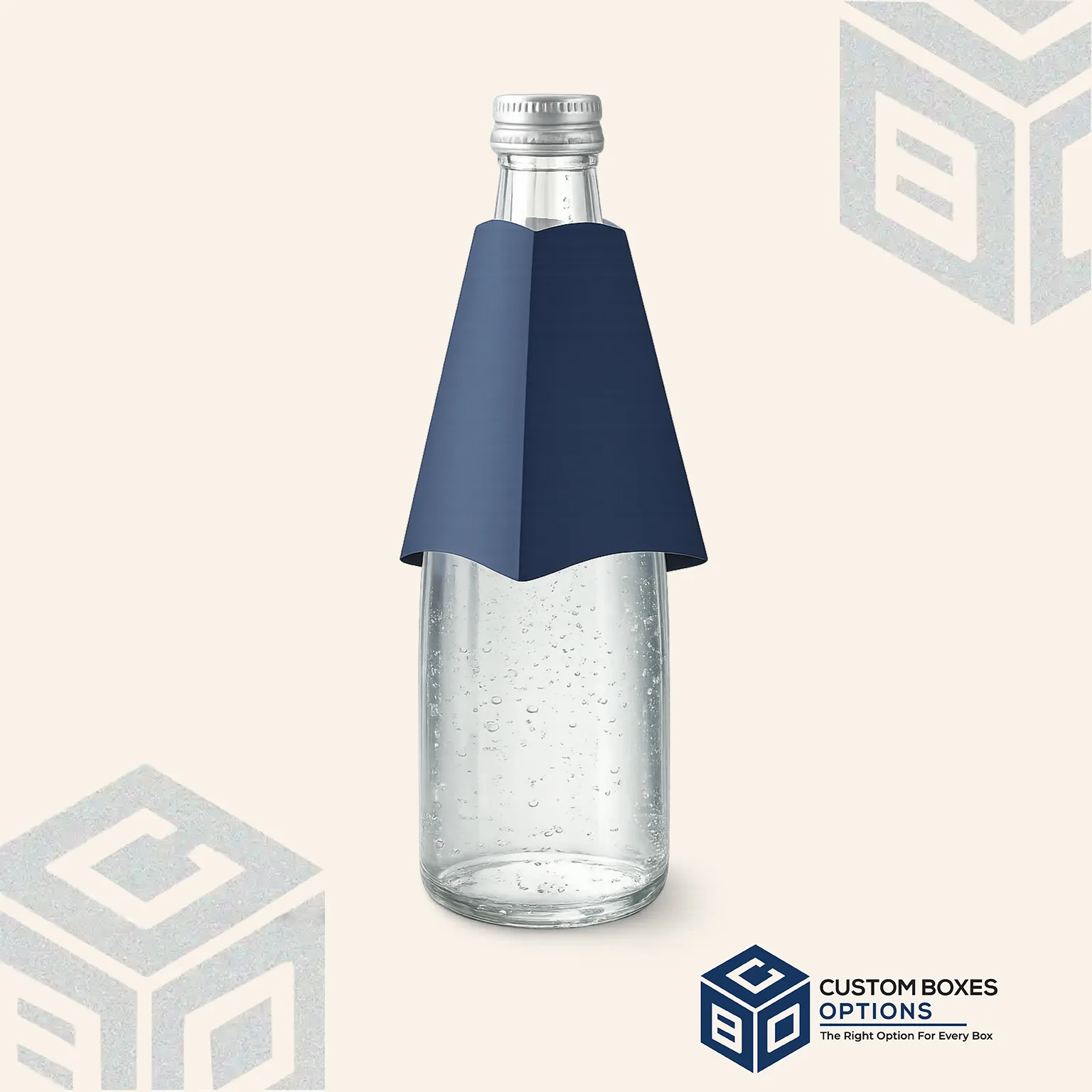
Custom Bottle Neckers aren’t packaging at all; they’re a promotional collar that hangs over a bottle neck. The whole specification is the aperture: cut too tight, and it won’t seat; too loose, and it slides off in transit.
Measure the actual bottleneck diameter rather than working from a nominal figure, since neck profiles vary between suppliers even at the same volume.
Regulated Categories
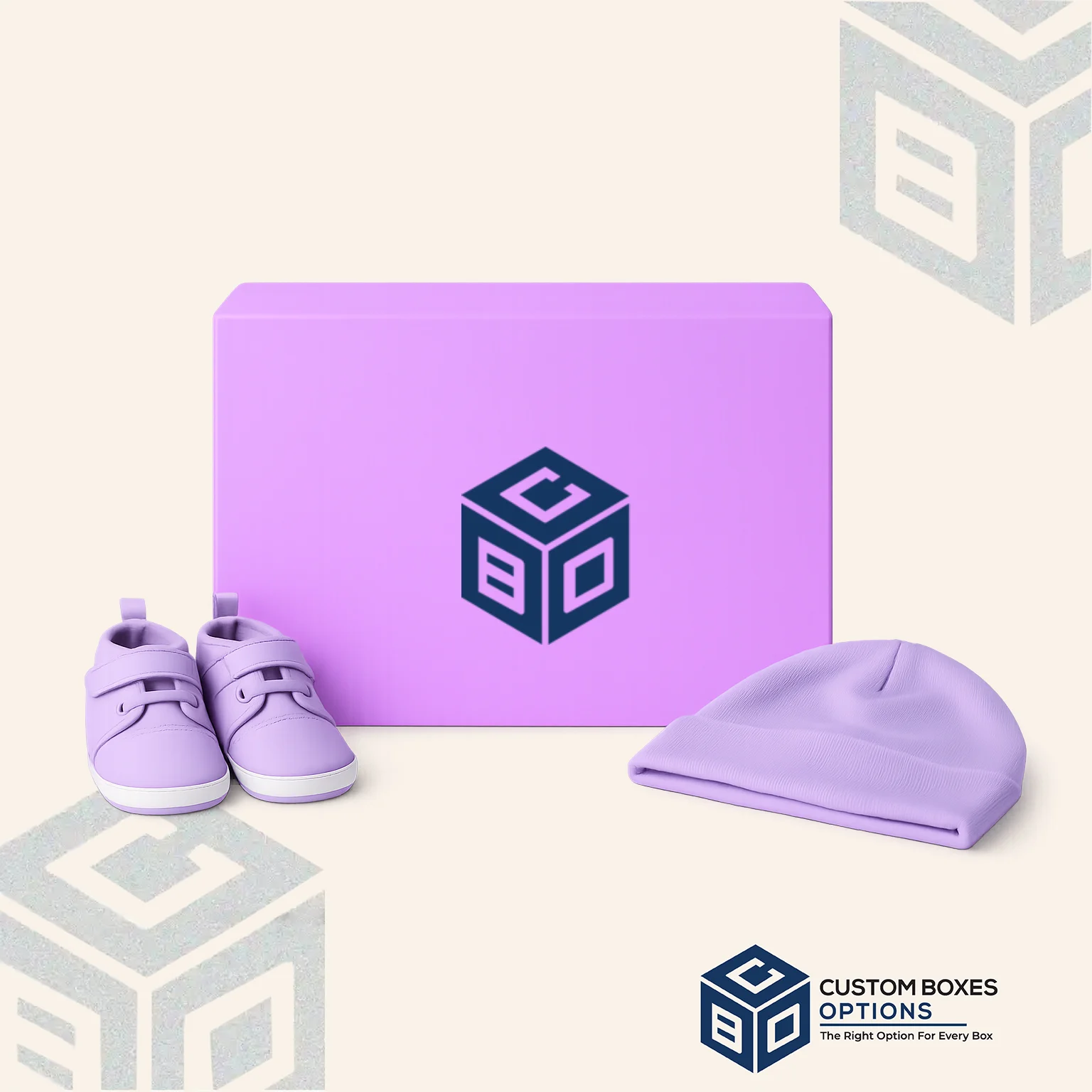
Custom Baby Product Boxes carry the strictest requirements on this list. Children’s products sold in the US fall under CPSC oversight, and CPSIA requires a permanent tracking label carrying manufacturer identity, production location and date, and batch information. Small-parts and choking hazard warnings have their own defined wording and placement rules.
One honest limit: we’re a printer, not a compliance advisor. We build the panel space and set the copy you supply, but children’s product labeling should be reviewed by a qualified specialist before print. This is a recall exposure, not a design revision.
Household and Storage
Custom Tissue Boxes have one structural feature that defines them: the dispensing aperture, usually a die-cut oval with a poly film slit that grips each sheet so the next one lifts. Get the film tension wrong, and the box either dispenses in clumps or drops the stack. Custom Tissue Packaging Boxes cover the wider household and multi-pack formats.
Custom Archive Boxes sit outside retail entirely, serving records storage. The requirements are stacking strength, a consistent label area, and lid style, and for anything holding documents long term, acid-free board matters for the same reason it does on our recycled tissue paper page.
Materials
SBS and coated board give the sharpest print and cleanest white. Kraft board signals unbleached positioning but absorbs ink and shifts color, so approve a physical proof rather than a screen. Corrugated carries weight and survives distribution; E-flute prints well enough for retail-facing use. Rigid chipboard wrapped in printed paper is the premium construction where the box is part of the purchase.
Printing and Finishing
Full CMYK with Pantone matching is standard, plus matte and gloss lamination, soft-touch coating, spot UV, foil stamping, embossing, and debossing.
Two notes specific to retail. Matte lamination hides handling marks across a long shelf life better than gloss. And leave a clear area for a promotional or reduction sticker; edge-to-edge artwork forces store staff to place it over your logo.
Brands running tags alongside boxed lines usually match the treatment across custom hang tags, and gifting extensions carry it onto presentation gift boxes. Sourcing the set through one retail packaging manufacturer keeps a single color reference across coated board, kraft, and label stock.
Specification Summary
| Attribute | Detail |
|---|---|
| Dimensions | All custom sizes; built to planogram on request |
| Materials | SBS, coated board, kraft, corrugated, rigid chipboard |
| Stock range | 10pt to 28pt, E-flute and B-flute corrugated |
| Printing | CMYK, CMYK + PMS, 1–3 spot colors |
| Finishing | Gloss, matte, soft-touch, spot UV, foil, embossing, debossing |
| Structural options | Die cutting, window patching, tear strips, inserts, handles, gluing, perforation |
| Formats | Folding carton, rigid, window, display, hanging, bags, POS neckers |
| Proofing | Flat view, free 3D mockup, physical sample on request |
| Turnaround | 6–8 business days from artwork approval |
| Shipping | Free shipping across the USA |
Frequently Asked Questions – FAQs
1. How do I know what size my retail box should be?
Start with the retailer’s planogram allocation, not your product. Ask your buyer for the assigned facing width, shelf height, and depth, then we size the box to fit that slot while protecting the contents. Designing for the product alone risks losing facings or being laid flat on the shelf.
2. What is shelf-ready packaging?
Packaging that transfers from pallet to fixture with minimal handling, branded outer cases, tear-open perforations, and a structure that converts into a shelf tray. It reduces store labor and is increasingly a condition of listing with larger retailers.
3. Where should the barcode go on a retail box?
Most vendor guides specify the panel and the margin from each edge, so check the guide first. Regardless of position, the code needs clear space on either side of the bars, dark bars on a light background, and full bar height. Avoid kraft, metallic, or high-gloss surfaces where contrast and glare cause scan failures.
4. Can one box work for both retail shelves and e-commerce shipping?
Yes, but it must be specified for the harder job. A carton designed for a shelf won’t reliably survive a courier network, so a dual-purpose box generally needs corrugated construction and a locking closure rather than a standard tuck end.
5. Do you make retail bags as well as boxes?
Yes, carrier bags, goodie bags, and takeaway bags. Handle type is the main specification decision, since that’s where bags fail. Tell us the intended carry weight, and we’ll recommend a handle style and base reinforcement.
6. What’s the minimum order quantity?
Standard specifications start at 100 units. Complex builds involving custom die-cutting, window patching, handles, or specialty finishes may carry a higher minimum, and we state that figure before you commit.
7. Do you send physical samples before production?
Yes. A 3D mockup shows color and layout, but only a physical sample shows how the board feels, whether the closure holds, and whether your product actually fits. For retail, test the sample on a shelf at the intended facing width.
Closing lines
Send us your product dimensions, your retailer’s planogram allocation if you have it, and your target quantity. We’ll come back with a full specification board, format, finish, and landed cost, plus a free 3D mockup before anything goes to production. Request your free quote for Custom Retail Boxes today.