
Free Shipping
14-Days Returns
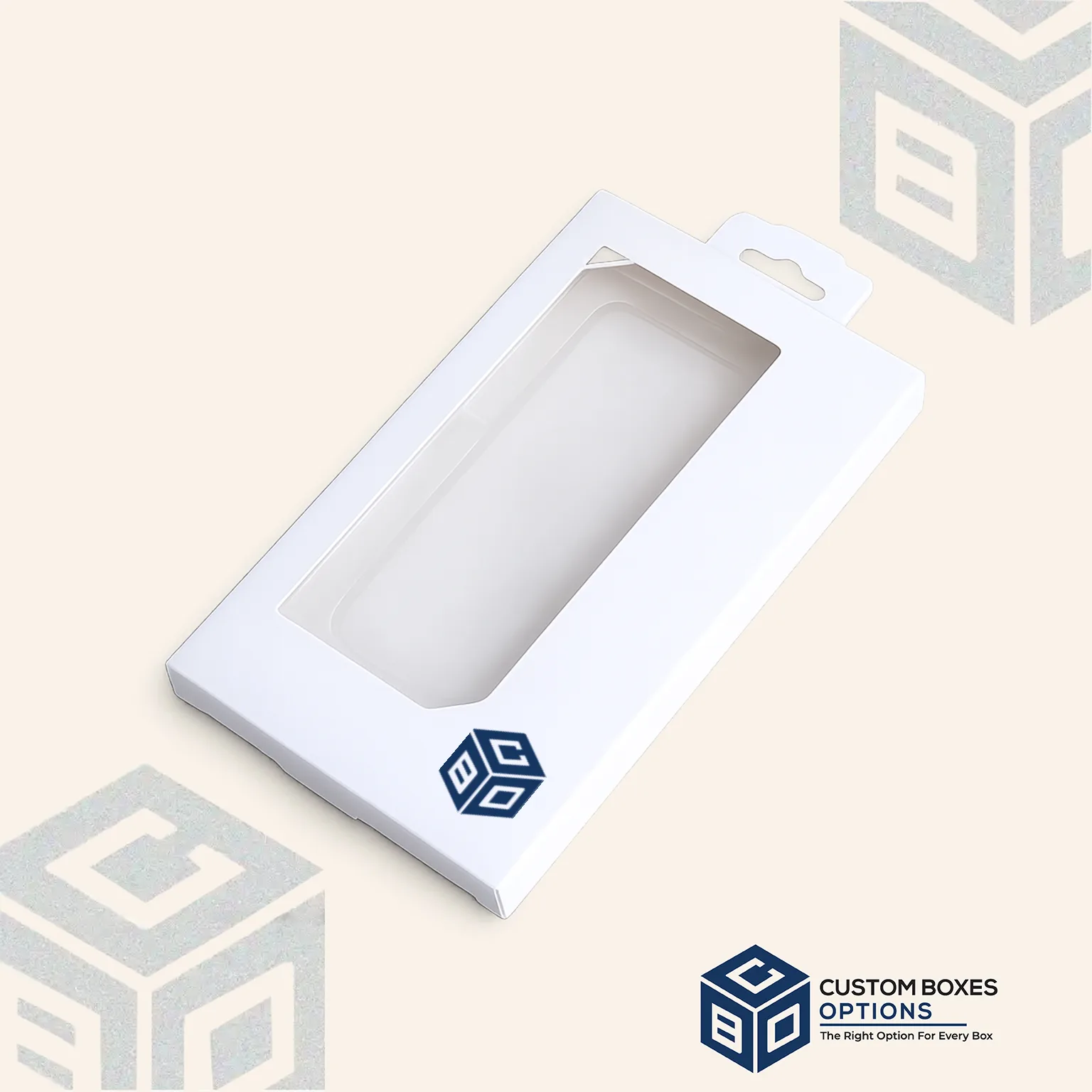

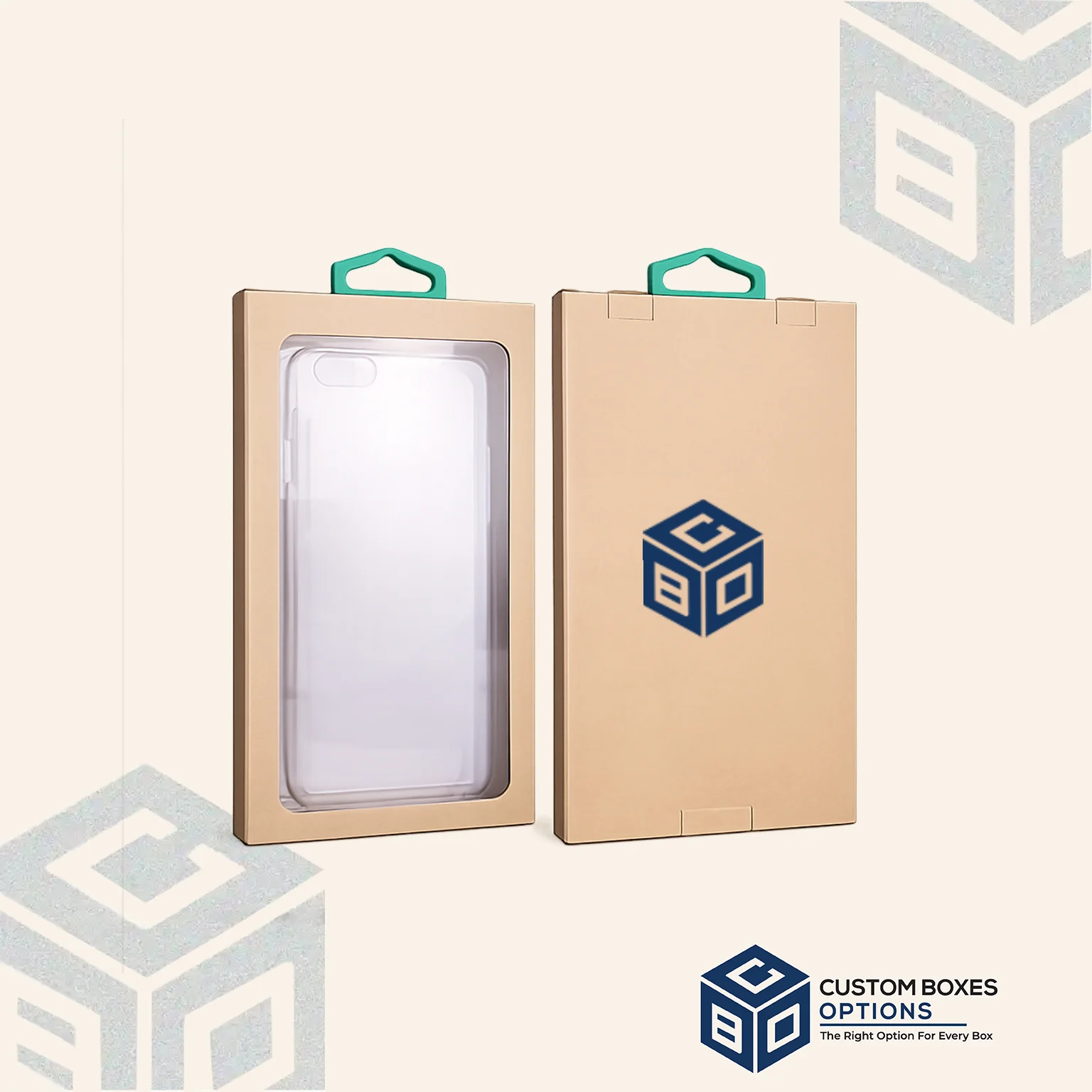
Custom Phone Case Boxes face a problem no other accessory packaging does: your SKU count multiplies faster than your product line. One case design across forty handset models is forty separate boxes, and the model list changes every autumn. Printing model names into the carton means forty print runs and dead stock every launch cycle. We build these as a single carton family with variable data handled on applied labels, so one print run covers your whole range. Window and blister formats show the finish. Our custom packaging supplier team plans the SKU structure with you before tooling begins.
Free Shipping
Free Design Support
Starting from:
$1.00 Original price was: $1.00.$0.50Current price is: $0.50.
In Stock
Most items in our retail box catalogue have a stable specification. Custom Phone Case Boxes do not, and the reason has nothing to do with the box.
Handset manufacturers refresh their lineups annually. Your case fits fifteen models today and a different fifteen next year, and every combination of case design and handset model is a separate SKU with its own packaging.
That churn is the real design constraint here.
Take a modest range: five case designs across forty supported handset models. That is two hundred SKUs.
Print the model name into the carton, and you need two hundred print runs, two hundred inventory lines, and a write-off every time a handset generation is discontinued with stock still on the shelf.
The efficient structure is one carton family, shared artwork, shared die, shared print run, with model and SKU data carried on applied labels rather than into the board. One run covers the range, obsolete models cost you a label rather than a carton, and new models need artwork approval measured in days rather than weeks.
Design the label position into the artwork from the start. A label placed over your logo because nowhere else was free defeats the branding you paid for.
Phone cases sell on appearance, and the differences that matter, matte versus glossy, texture, translucency, and exact color, do not survive photography on a printed panel.
Confirm this with your buyer before tooling, because it changes the structure.
Peg merchandising needs a euro slot or delta hook with a reinforced hang area, since peg retail is handling-heavy and the tab is the failure point, the same reinforcement logic as our hanger card formats.
Shelf facing needs a stable base and a front panel sized to the planogram allocation your buyer assigns, not to the case.
Many accessory brands supply both channels and need two dies from one artwork family.
The single most common return in this category is a case bought for the wrong handset.
Model compatibility needs to be unmissable, front panel, legible at arm’s length, not buried in small type on the back. Where a case fits several models, list them plainly rather than using a marketing shorthand a customer has to decode.
That copy also has to be updated when a model list changes, which is one more argument for carrying it on a label rather than printing it in.
Phone accessories are bought as small treats, and the opening moment carries more weight than the price point suggests. Interior print, a magnetic closure, or a simple fitted tray from our insert tooling range lifts perceived value at modest cost. Premium and designer lines often justify rigid box packaging, where the box itself signals the price.
Direct-to-consumer brands should specify for the courier rather than the shelf; a retail carton alone will not survive a delivery network, so corrugated mailer builds carry the outer shipment.
Running carton, label, and mailer through one accessory carton manufacturer keeps the color matched across three substrates that reproduce the same ink differently. Get a free quote and a 3D mockup for your Custom Phone Case Boxes, and we will plan the SKU structure before cutting the die.
Reviews
There are no reviews yet.