
Free Shipping
14-Days Returns
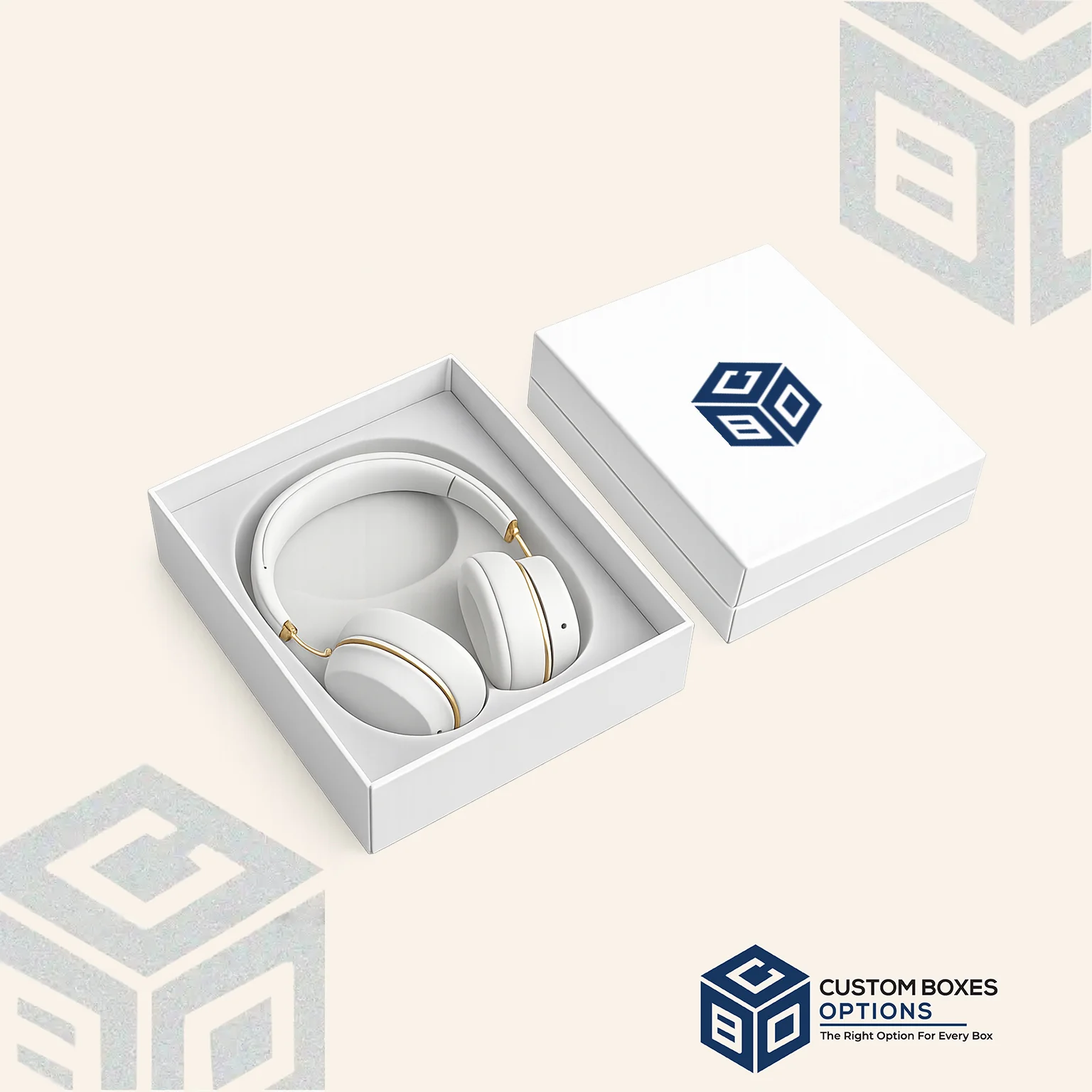
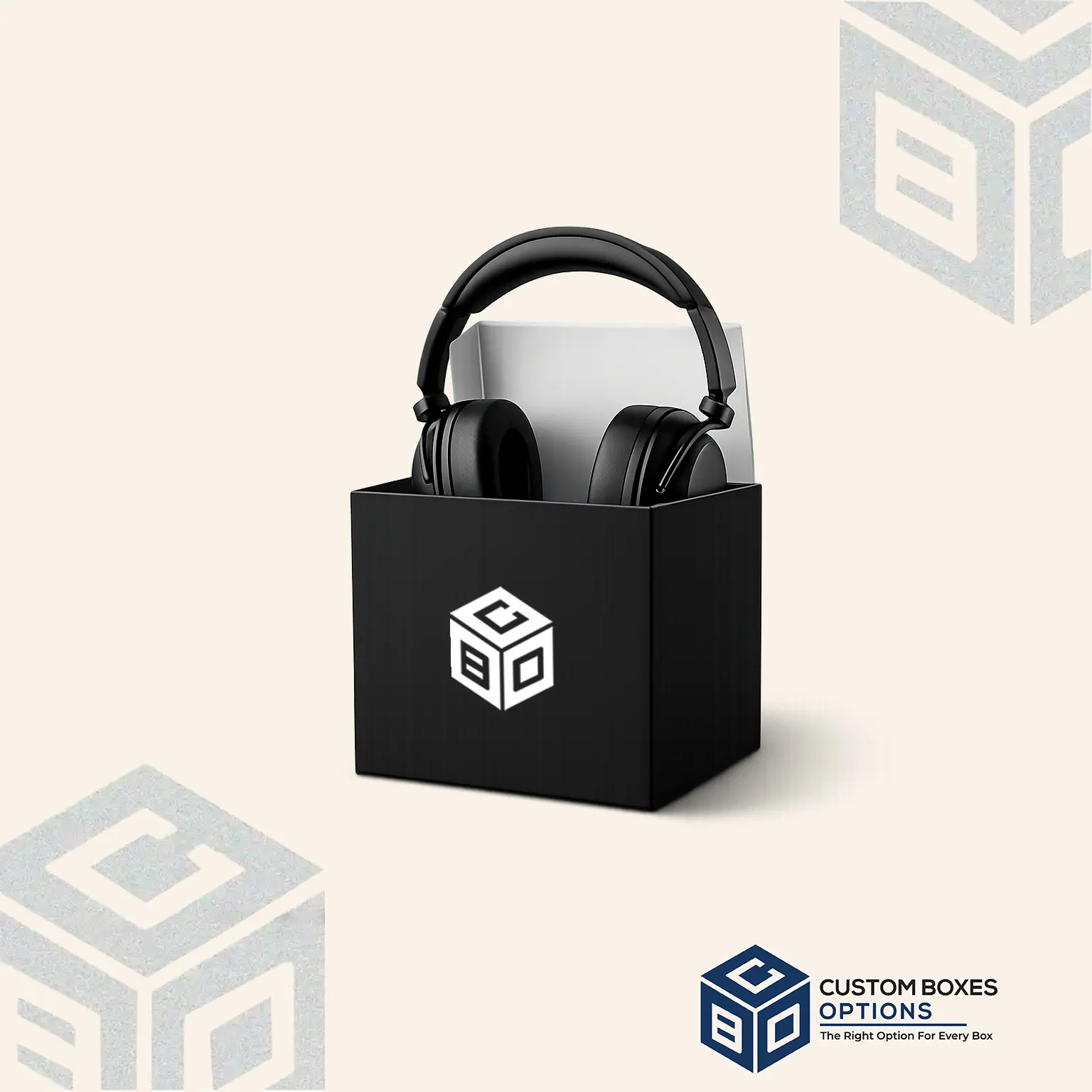
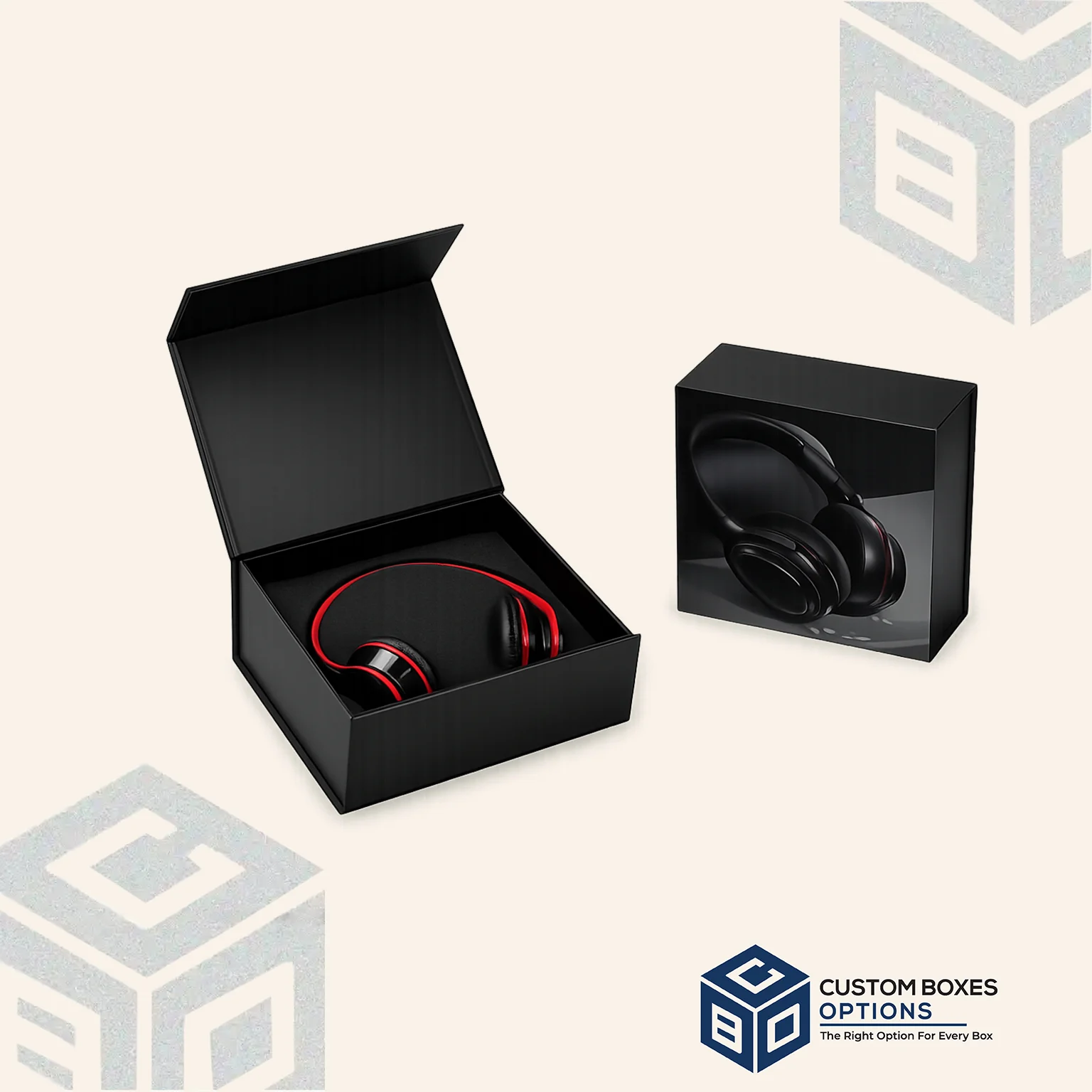
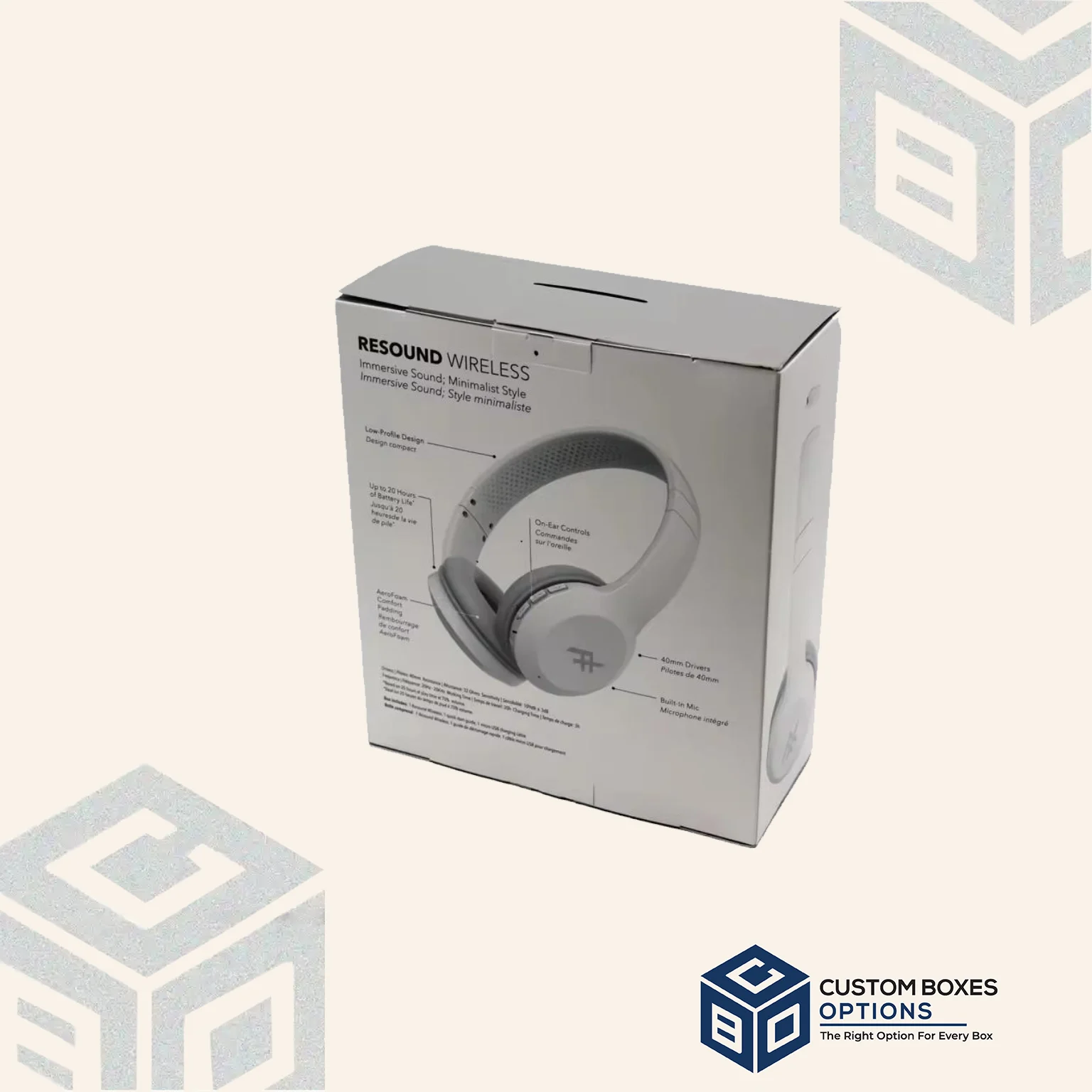
Custom Headphone Boxes damage the product they protect more often than most packaging does, and the cause is usually the cable. Coiled too tightly for months in a warehouse, a cable takes a permanent set, and the customer unboxes kinks that never fully relax. Ear pads have the same problem: foam compressed by a tight insert does not recover. We design cable channels with a generous coil radius and inserts that carry the headband and frame rather than pressing on the pads. Our branded packaging supplier team specs interiors against your actual unit, not a rendering or a spec sheet.
Free Shipping
Free Design Support
Starting from:
$1.00 Original price was: $1.00.$0.50Current price is: $0.50.
In Stock
| Shipping | 07-14 Business Days, Rush |
|---|---|
| Return | 14 Days |
Most packaging in our retail box collection either protects a product or fails to. Custom Headphone Boxes have a third possibility: an insert that actively degrades the product over months of storage while looking perfectly fine on the shelf.
Two components cause it, and both are avoidable at the design stage.
Copper conductors inside a jacket hold whatever shape you leave them in. Coil a cable tightly, leave it for six months in a warehouse, and the cable keeps that curl.
The customer opens a new pair and finds kinks that never fully relax. It reads as poor cable quality even though the cable is fine; the packaging set it that way.
Coil radius is the variable. A generous loop that follows the box perimeter costs almost nothing extra in footprint and avoids the problem entirely. Tight figure-eight channels crammed into a small cavity are what produce the memory.
Cables also need restraining, not just routing. A coil left loose under tension will work free during transit, then press against an earcup for the rest of its shelf life. A simple tie or a channel with a retaining tab solves it.
Foam ear pads are the second casualty, and memory foam is the worst affected.
An insert that grips the earcups holds the pads under constant compression. Foam under sustained load takes a set, and after months in a box, it does not spring back to full loft. Customers describe it as flat or thin padding on a brand-new unit.
The fix is supporting the frame rather than the cushions. Cradle the headband and the outer housing, leave the pads unloaded, and the product arrives as it left the factory. Our insert tooling options cover the construction, though the important part is where the contact points sit, not the material.
For folding models, decide the fold position at the design stage and give assembly consistent instruction. A box built around one fold state and packed in another distorts both.
Over-ear headphones frequently ship inside custom Headphone Boxes, which means your retail box is protecting a case rather than the product. That changes everything about the interior; the case handles impact, so the box needs to hold it stable and present it well rather than cushion it.
Earbuds are the opposite problem: small, high-value, and easily lost in a large cavity. They also arrive with multiple ear tip sizes, and those need labelled positions in the tray. Loose tips in a bag are the most common complaint in this format.
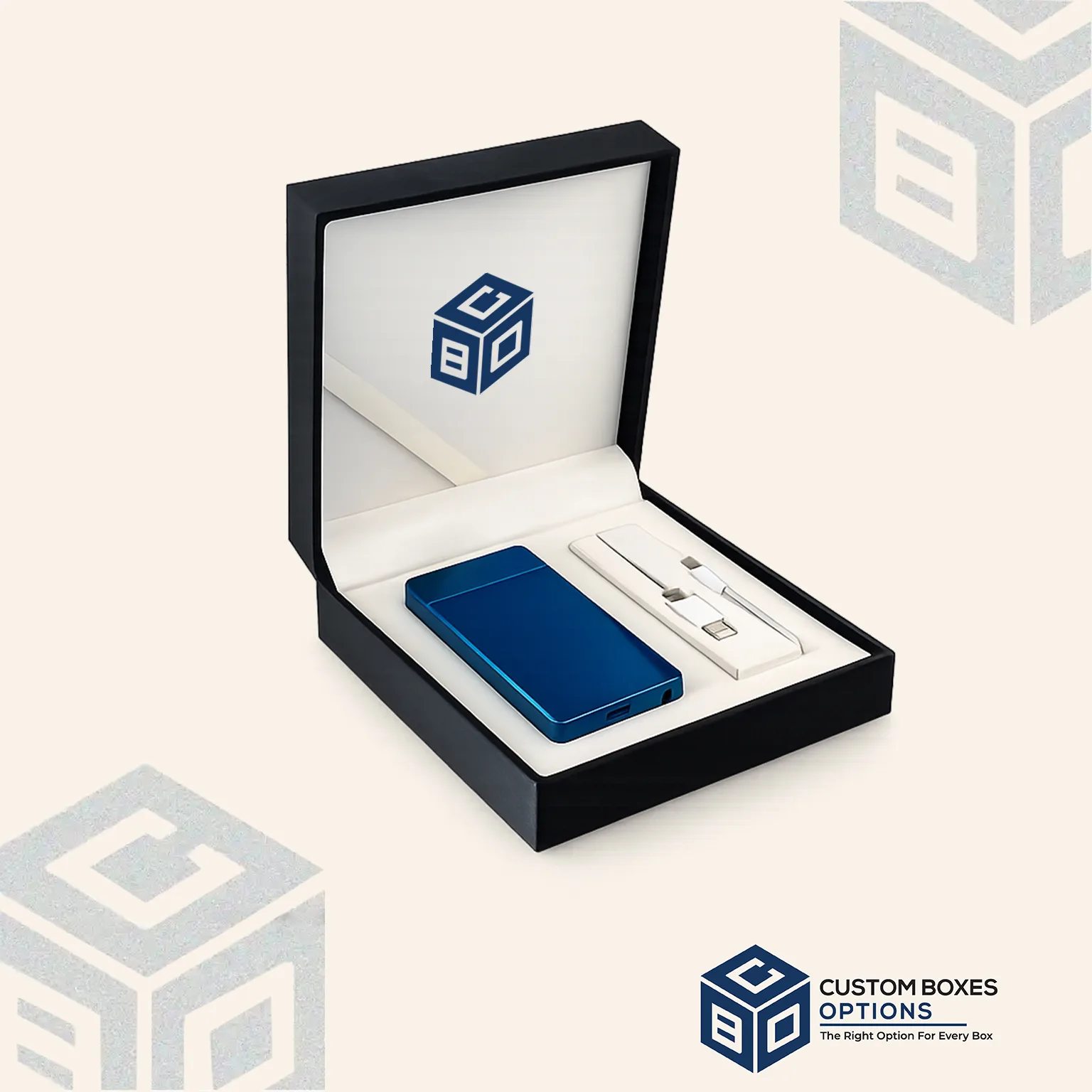
Charging cases add weight in a small footprint, which usually pushes earbud packaging toward rigid box packaging, where the box weight matches the price point.
Anything with a rechargeable battery brings transport obligations that the wired version does not.
Lithium cells shipped inside equipment carry marking requirements on the outer package, and air transport adds further restrictions on quantity and state of charge. The mark needs reserved space and adequate contrast; plan for it rather than adding it as an afterthought sticker.
One honest limit: we are a printer, not a dangerous goods consultant. We produce the carton and print the markings you specify, but the classification should be confirmed with a DG advisor or your carrier before printing.
Headphones generate more unboxing content than almost any accessory, which makes the reveal sequence commercially relevant rather than decorative.
Interior print, a magnetic closure, and a lift-out tray all appear on camera. Where you sell directly rather than through retail, specify for the courier as well. A retail carton alone will not survive a delivery network, so corrugated mailer builds carry the outer shipment.
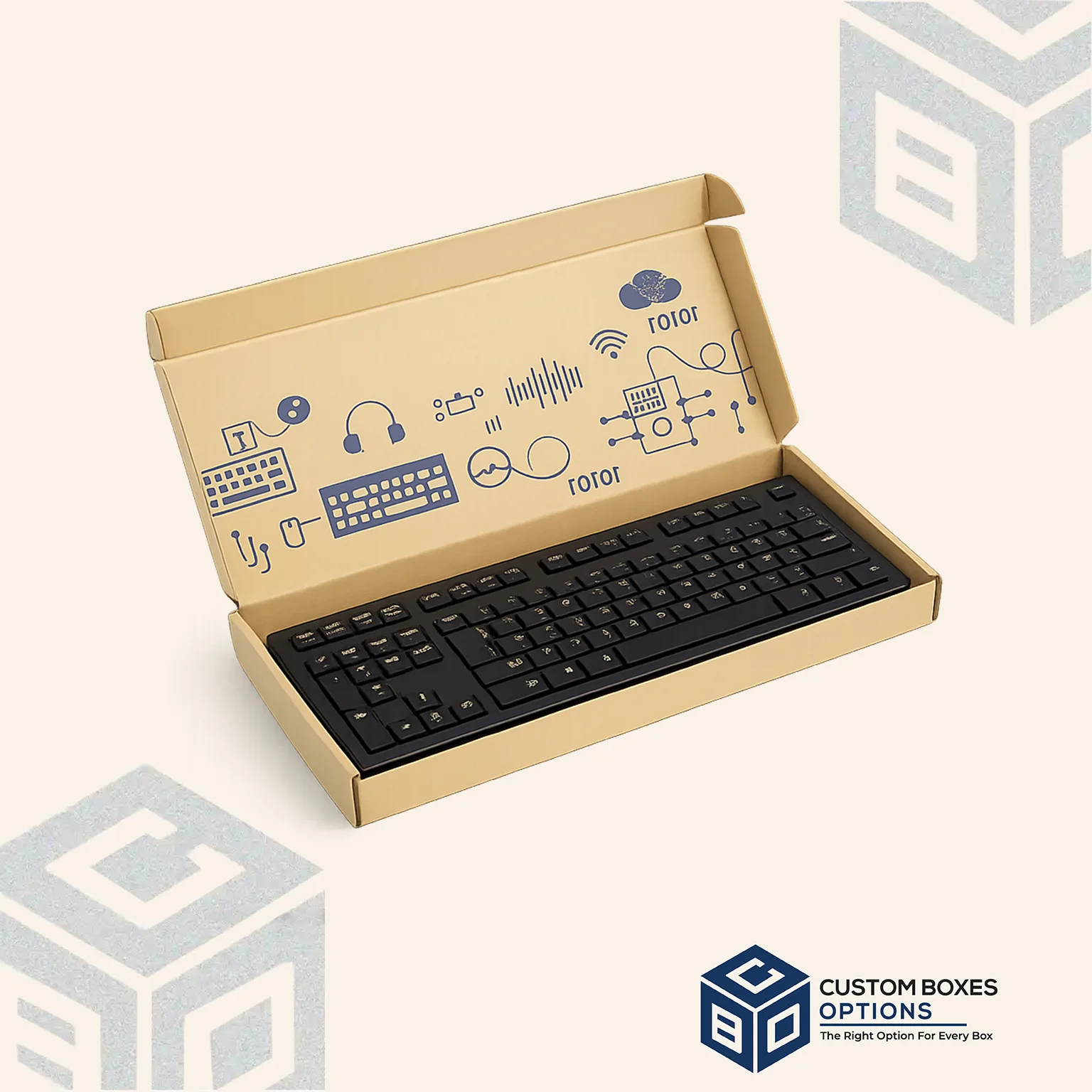
The same weight-and-insert logic applies across our keyboard packaging formats, and if you also sell cases or straps, phone case cartons share the SKU structure. Running the range through one custom box and inserting the manufacturer keeps the interior spec consistent as the line grows.
Request a free quote and a 3D mockup for your Custom Headphone Boxes, and we will design contact points around your actual unit first.
Reviews
There are no reviews yet.