
Free Shipping
14-Days Returns
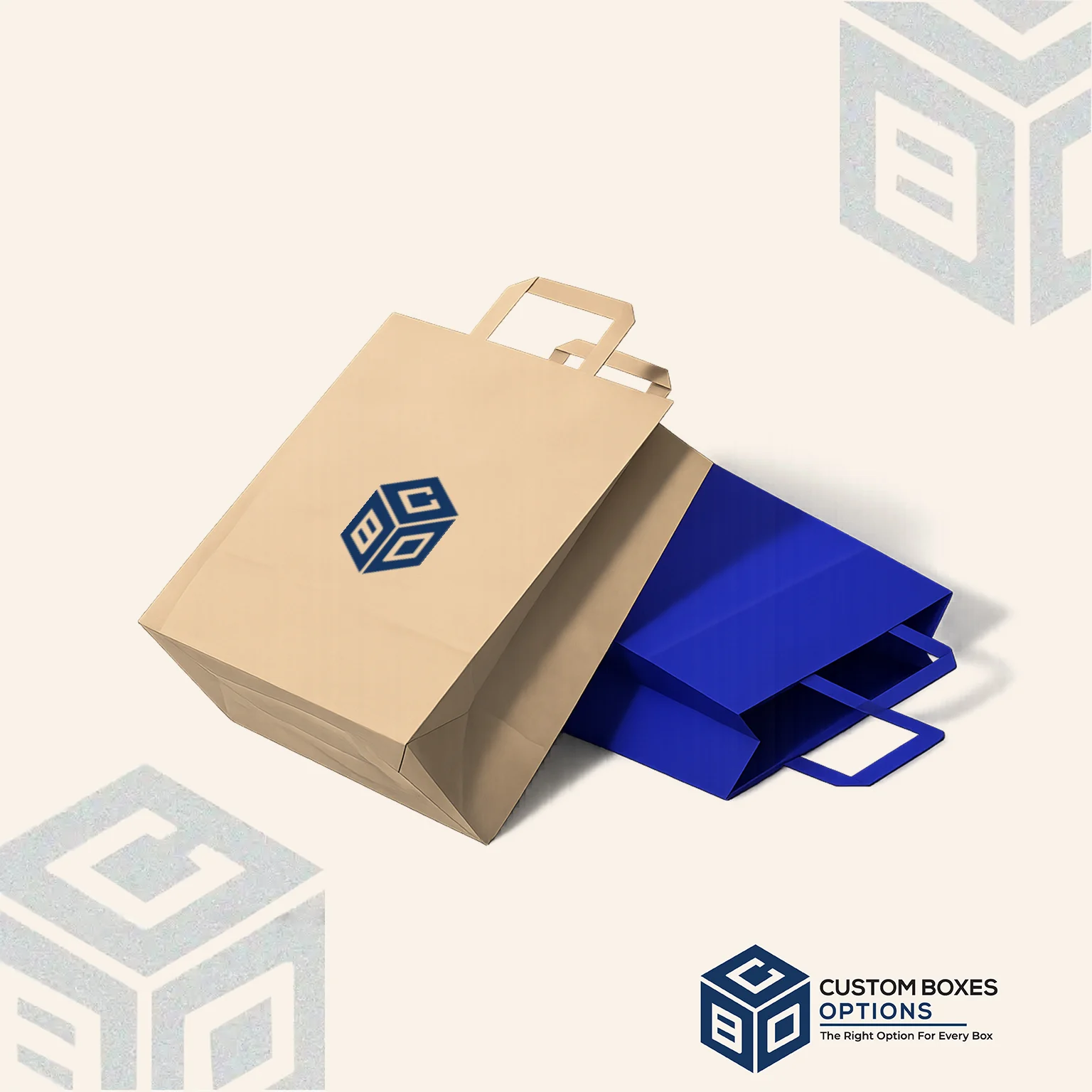
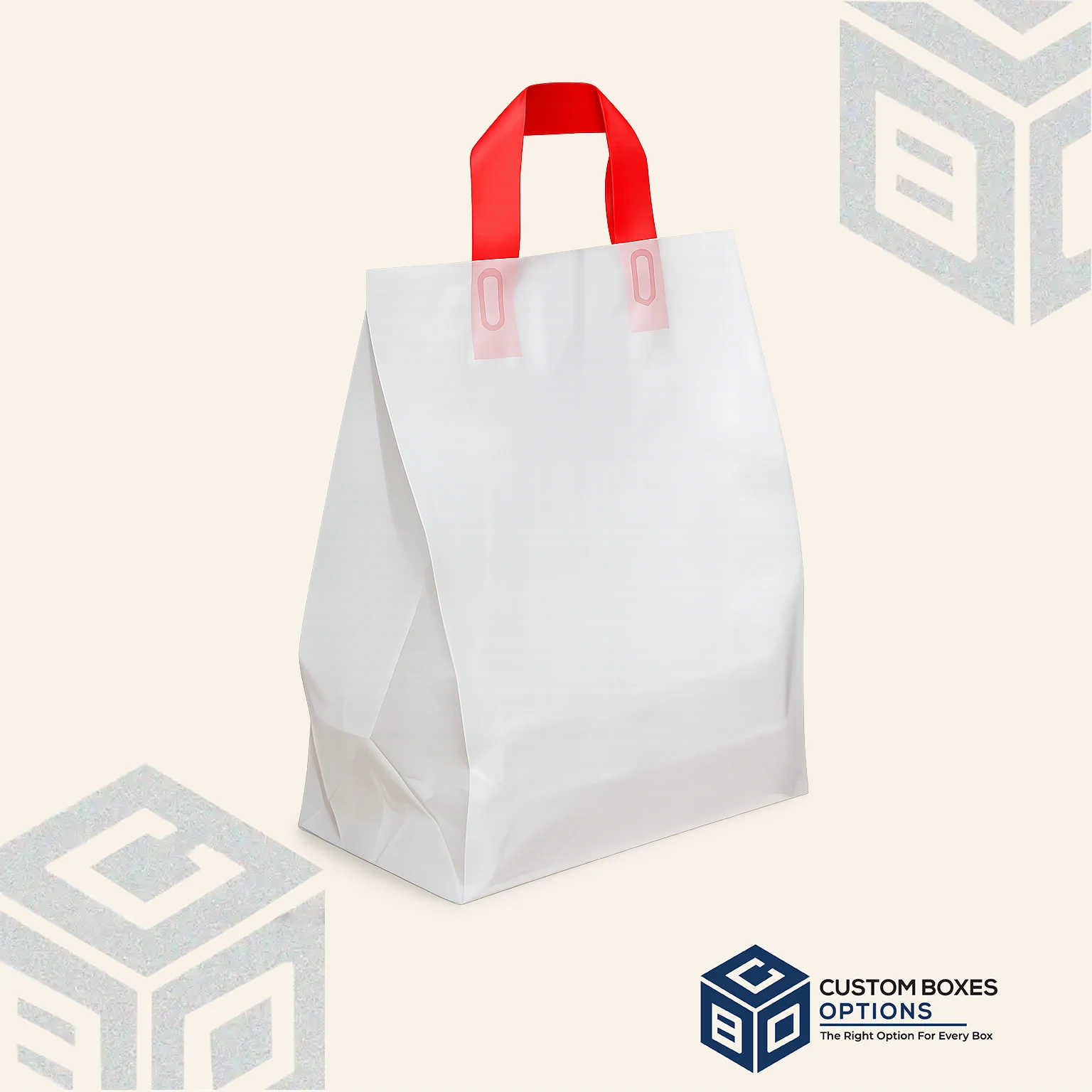

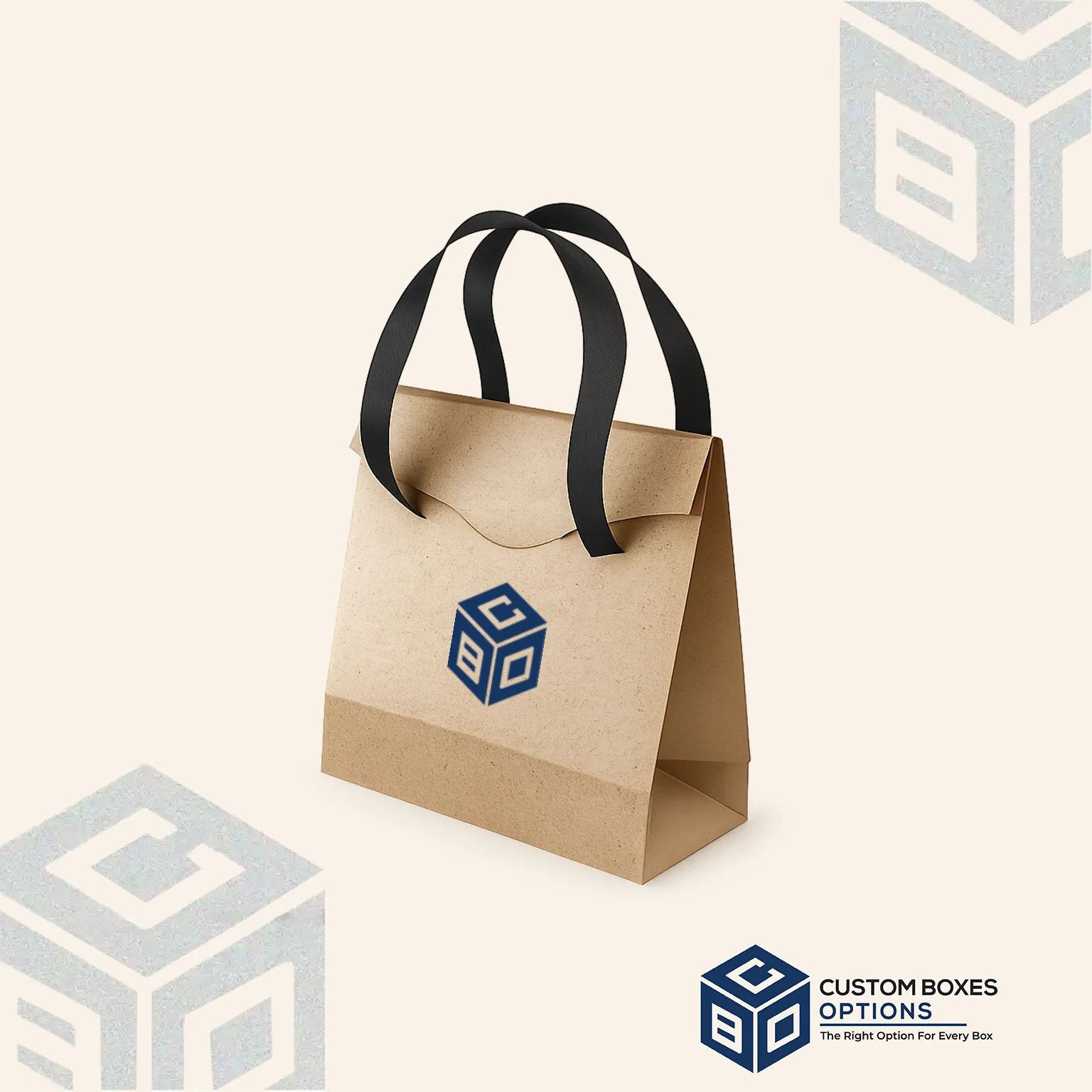
Custom Takeaway Bags fail in a way retail bags do not: the load is hot and wet, and paper loses strength as it absorbs moisture. A handle rated comfortably for a dry ten pounds can give out at far less once steam from the containers has softened the attachment patch. We build these with reinforced handle patches, glued block bases, and grease-resistant lining that keeps oil from staining through your print. Tamper seal placement is planned in for delivery platform requirements. Our custom packaging manufacturer team tests handle ratings against your actual heaviest order rather than a nominal spec figure.
Free Shipping
Free Design Support
Starting from:
$1.00 Original price was: $1.00.$0.50Current price is: $0.50.
In Stock
| Shipping | 07-14 Business Days, Rush |
|---|---|
| Return | 14 Days |
Every bag in our retail packaging collection is specified around a weight. Custom Takeaway Bags are the only ones where that weight rating is measured under conditions the bag will never actually meet.
Paper is tested dry. Takeaway food is hot, humid, and greasy from the moment it goes in.
Paper gets its strength from hydrogen bonds between cellulose fibers. Water disrupts those bonds, which is why a paper bag that holds ten pounds comfortably on a dry counter can tear at a fraction of that after twenty minutes carrying hot containers.
The moisture does not come from spillage. It comes from the food itself, steam rising off hot containers into a closed paper chamber, condensing on the inside surface, and soaking into the base and the handle patches from within.
That is why a wet-strength treated stock matters more here than a heavier basis weight. Thicker paper still weakens when saturated; treated paper holds its bonds.
Ask any restaurant operator about bag failures and you will hear about the bottom dropping out on a doorstep, not a handle snapping.
Weight concentrates at the base, condensation collects there, and the glue line takes both at once. A glued block bottom distributes load across a flat panel and resists better than a simple flat base. For heavier orders, a die-cut base insert spreads the load further and prevents the sag that stresses the seams.
If you carry drinks alongside food, specify the insert. Liquid weight plus condensation is the combination that produces the doorstep failure.
The handle rarely breaks. The patch holding it to the bag lets go.
Tell us your heaviest realistic order and we will spec the patch to that rather than to an average.
Oil migrating through uncoated kraft produces dark translucent patches, usually across the lower panels where your branding sits.
A grease-resistant liner or treated inner face solves it, using the same barrier principles as our greaseproof paper grades. Where the bag carries fried items directly rather than boxed ones, that liner is not optional.
Matte finishes also disguise minor grease marking better than gloss, which shows every fingerprint on a bag handled with warm hands.
This has become a practical requirement rather than a nice-to-have. Delivery apps increasingly expect orders to arrive sealed, and drivers need a fast, one-handed way to close a bag.
Three approaches work: a fold-over top with an applied seal from our sticker and label range; a pre-applied adhesive strip on the bag itself; or a tear-strip closure that shows visible evidence if opened.
Plan the seal into the design rather than adding it later, a sticker placed across your logo defeats the branding you paid for.
A growing number of US cities restrict single-use plastics in foodservice packaging, and that reaches further into bag specification than most operators expect.
Plastic lamination, PE-coated liners, and some window films can all fall inside those rules. Compostable and plastic-free grades exist across our food-safe paper range, though they carry different barrier performance and cost.
Confirm your local ordinance before finalizing the spec. It is cheaper than reprinting a year of stock. Sourcing bags and boxed formats through one custom bag and carton printer keeps your branding consistent across an order that arrives in both.
Request a free quote and physical samples for your Custom Takeaway Bags, and we will spec handle and base against your heaviest order first.
Reviews
There are no reviews yet.