
Free Shipping
14-Days Returns
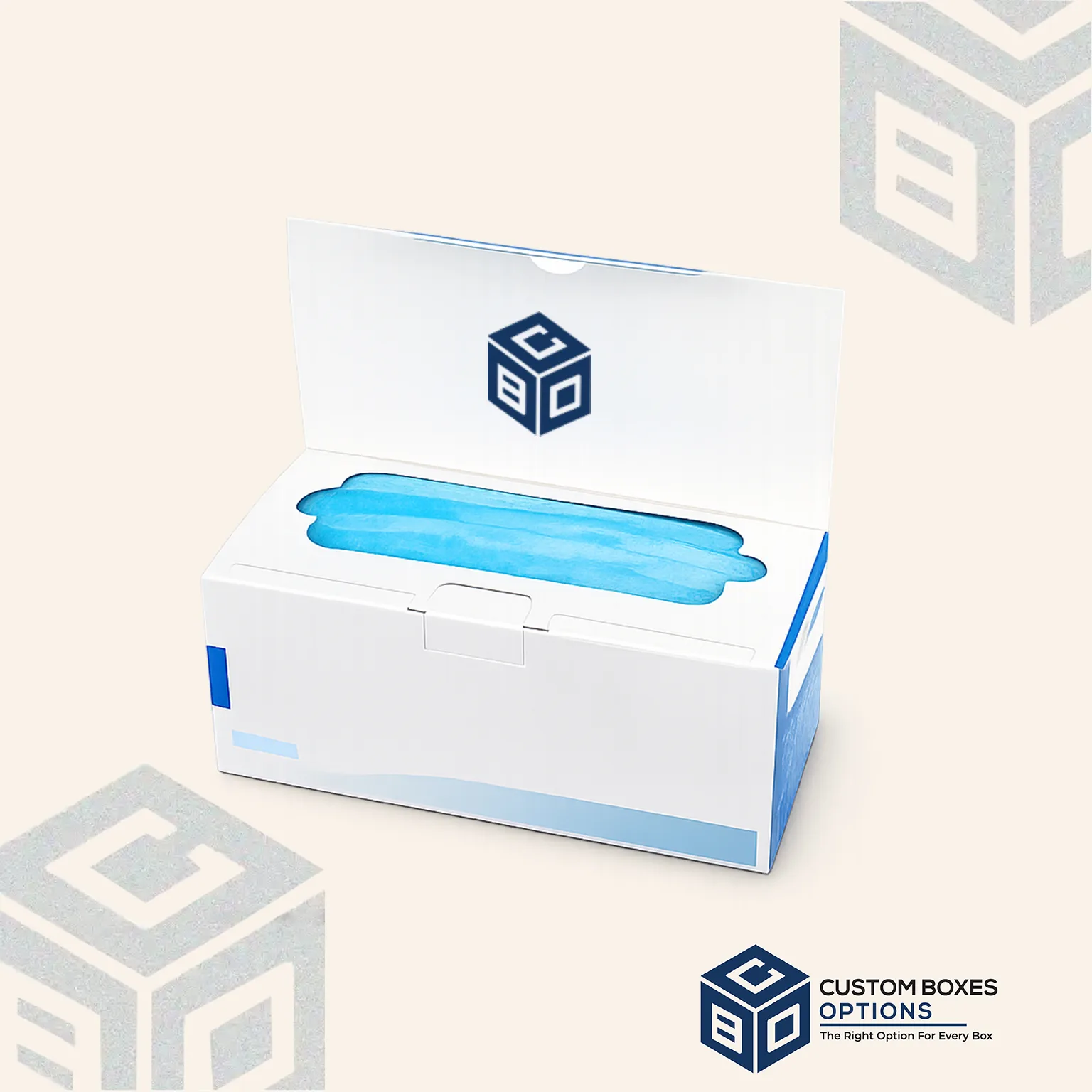


Custom Masks Boxes cover four different products that happen to share a word. A surgical mask is an FDA-regulated medical device with labeling requirements. An N95 carries NIOSH markings. A fashion face covering is neither, but its packaging claims fall under FTC scrutiny. A cosmetic sheet mask is skincare entirely. Each carries different mandatory copy, and the carton has to accommodate whichever applies to you. We size panels around that requirement first, then build in dispensing apertures, moisture barrier, and your branding. Our contract packaging manufcaturer team confirms classification with you before any tooling is cut for your first run.
Free Shipping
Free Design Support
Starting from:
$1.00 Original price was: $1.00.$0.50Current price is: $0.50.
In Stock
| Shipping | 07-14 Business Days, Rush |
|---|---|
| Return | 14 Days |
Most items in our retail carton range are one thing. Custom Masks Boxes are not. The word covers a regulated medical device, a certified respirator, an unregulated fashion accessory, and a skincare product, and each demands a different carton.
Getting the classification right is the first job, because everything downstream depends on it.
If you are unsure which category applies, resolve that before we quote. It changes the panel layout, and it can change the material.
This is the detail most packaging suppliers miss.
FDA rules require most medical devices to carry a Unique Device Identifier on the label and package, typically in both human-readable text and a scannable format such as a barcode or data matrix.
That is a structural requirement, not a print flourish. The code needs adequate clear space around it, sufficient contrast to scan, and a position that survives shelf and warehouse handling. The same scanning failures we set out on our retail hang tags page apply here, with higher stakes.
Lot numbers and expiry coding change between runs, so those belong on applied labels rather than printed into the carton.
One honest limit: we are a printer, not a regulatory consultant. We build the panel space and print what you supply, but your classification and labeling requirements should be confirmed by a qualified specialist before print.
Enforcement in this category has focused less on the mask and more on what the box says about it.
Protection claims, filtration percentages, and implied medical efficacy all need substantiation, and unsupported versions on packaging draw regulatory attention. A non-medical covering described in language that suggests clinical protection is the common failure.
We will flag copy that reads as a protection claim at proof stage. We cannot assess whether your substantiation is adequate, that needs your regulatory contact.
Fifty-count disposable mask boxes dominate the institutional and retail market, and the aperture is what makes them work.
Too small and staff tear the opening enlarging it. Too large and masks spill when the box is knocked or carried. A perforated tear-out panel gives a clean, consistent opening; a die-cut aperture with a tuck flap allows reclosing between uses.
It is the same engineering problem as our tissue box formats, where the aperture governs whether the product dispenses one at a time or in clumps.
Filter media performance is sensitive to moisture, and cartons frequently sit in warehouses without climate control for months. Where shelf life matters, the working answer is a barrier inner, a sealed pouch inside a printed carton, using the structures in our foil and barrier pouch range, rather than relying on board alone.
Sheet masks arrive already sealed in a saturated foil sachet, so the carton is doing presentation and multipack work rather than protection.
That shifts the brief toward finish quality and unboxing. Multipacks usually need dividers so sachets stay flat and visible, and premium skincare lines often justify rigid box packaging.
Working with one specialist box manufacturer across carton, sachet, and label keeps a single color reference across three very different substrates. Request a free quote and a 3D mockup for your Custom Masks Boxes, and we will confirm classification and panel requirements before tooling.
Reviews
There are no reviews yet.