
Free Shipping
14-Days Returns

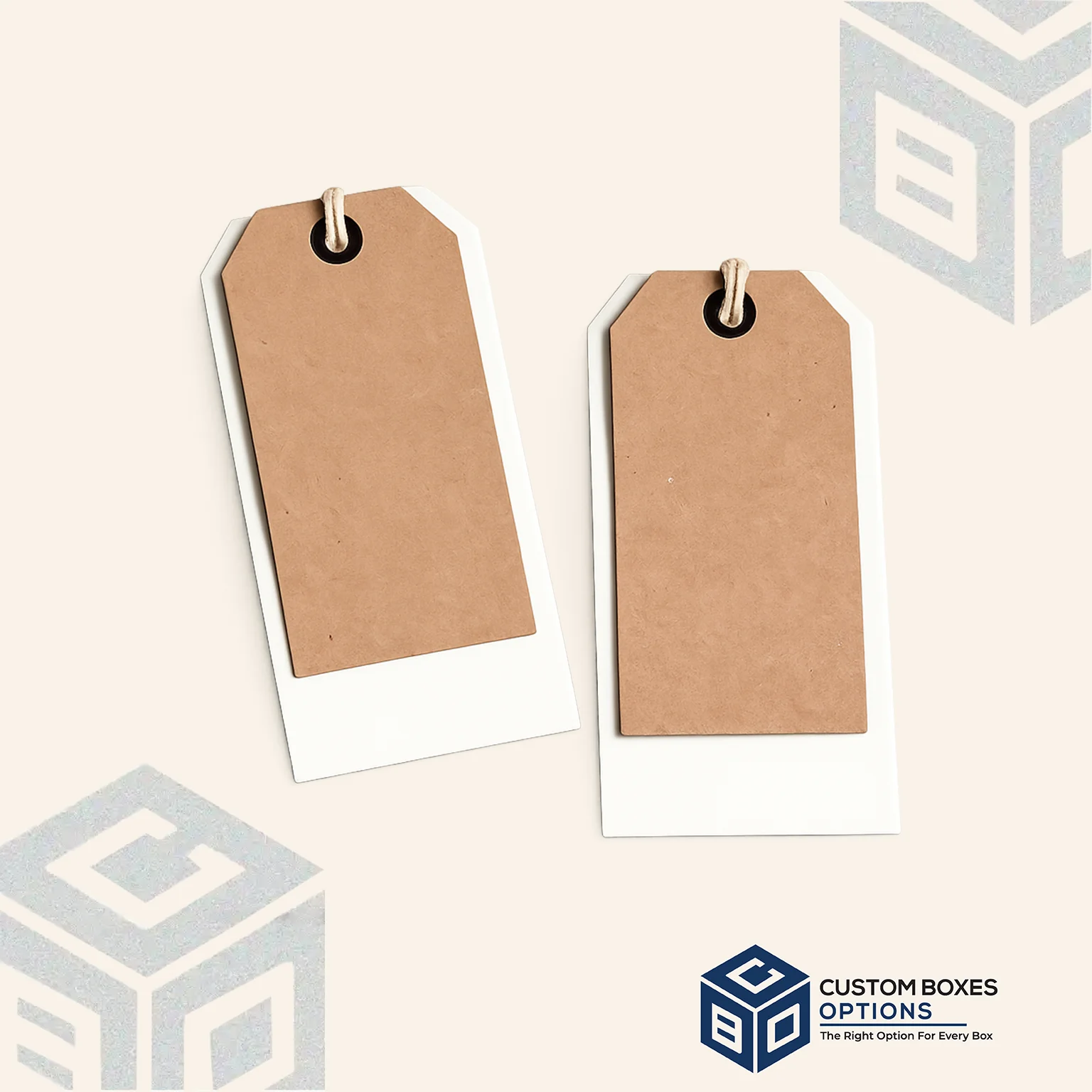

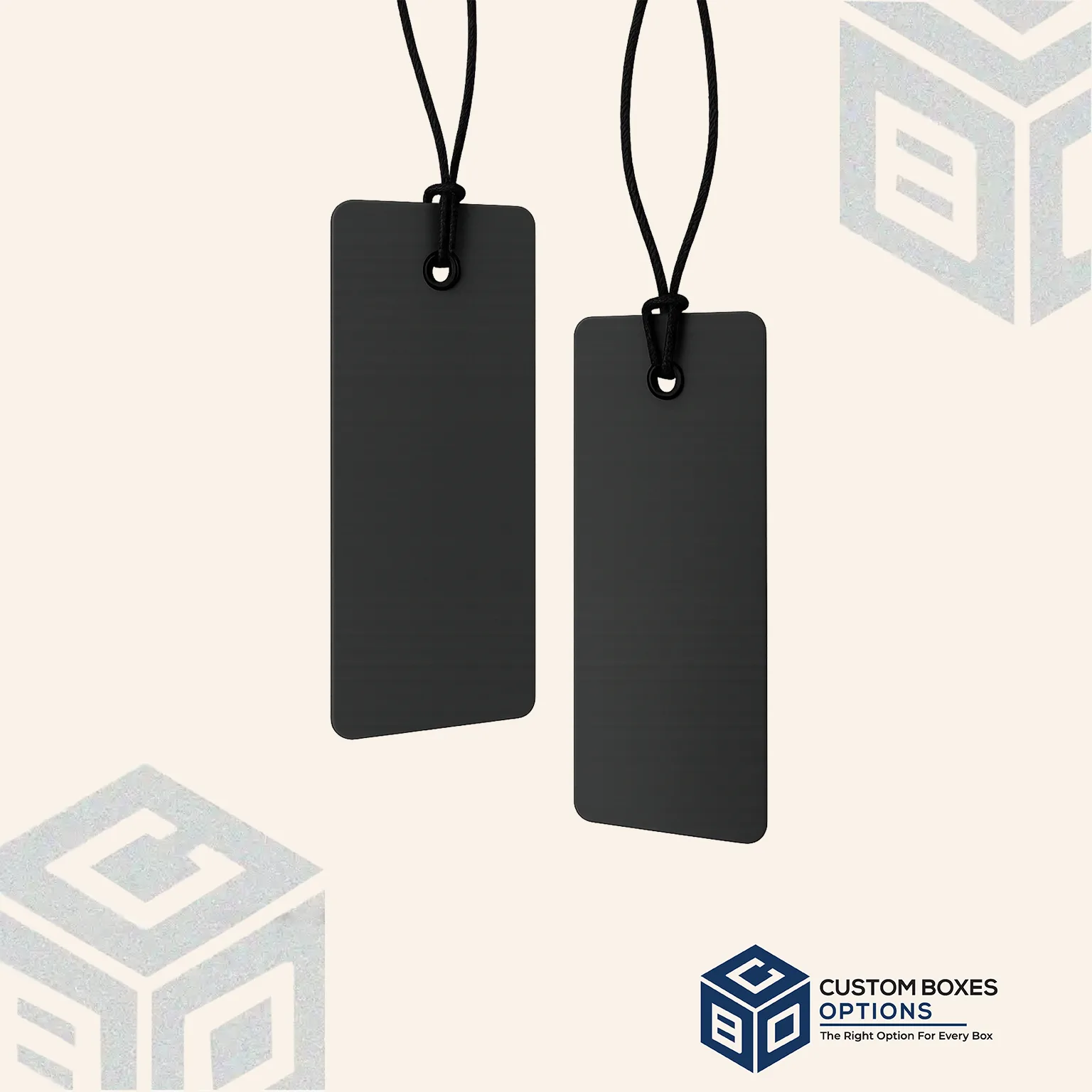
Retail Hang Tags are infrastructure before they are branding. If the barcode does not scan at checkout, nothing else about the tag matters, and scanning failures usually trace back to a design decision, not a printer error. Insufficient quiet zone, low contrast against Kraft or metallic stock, and red ink in the bars all cause the same result at the till. We build these with verified barcode specifications, a clean space reserved for markdown stickers, and a board that staff can write on. Our custom packaging manufacturer team checks symbology against your retailer vendor guide before the first press run.
Free Shipping
Free Design Support
Starting from:
$1.00 Original price was: $1.00.$0.50Current price is: $0.50.
In Stock
| Shipping | 07-14 Business Days, Rush |
|---|---|
| Return | 14 Days |
Every other format in our printed tag collection is judged on how it looks in a customer’s hand. Retail Hang Tags are judged at the till. A tag that photographs beautifully and fails to scan is a failed tag, and the failure lands on a cashier holding up a queue.
So this page is about function. The design decisions below are the ones that cause operational problems downstream.
Three design choices break scanning more often than anything else.
Contrast is the whole mechanism, which rules out several finishes that work everywhere else in the range.
Unbleached stock reduces the difference between bar and background. It looks excellent for brand tags, but the natural finishes in our kraft paper range are a poor choice for a scannable code.
Reflective surfaces are worse. Shine scatters scanner light unpredictably, so a barcode placed on metallic hang tags may read once and fail twice. High-gloss lamination over a code causes the same problem through glare.
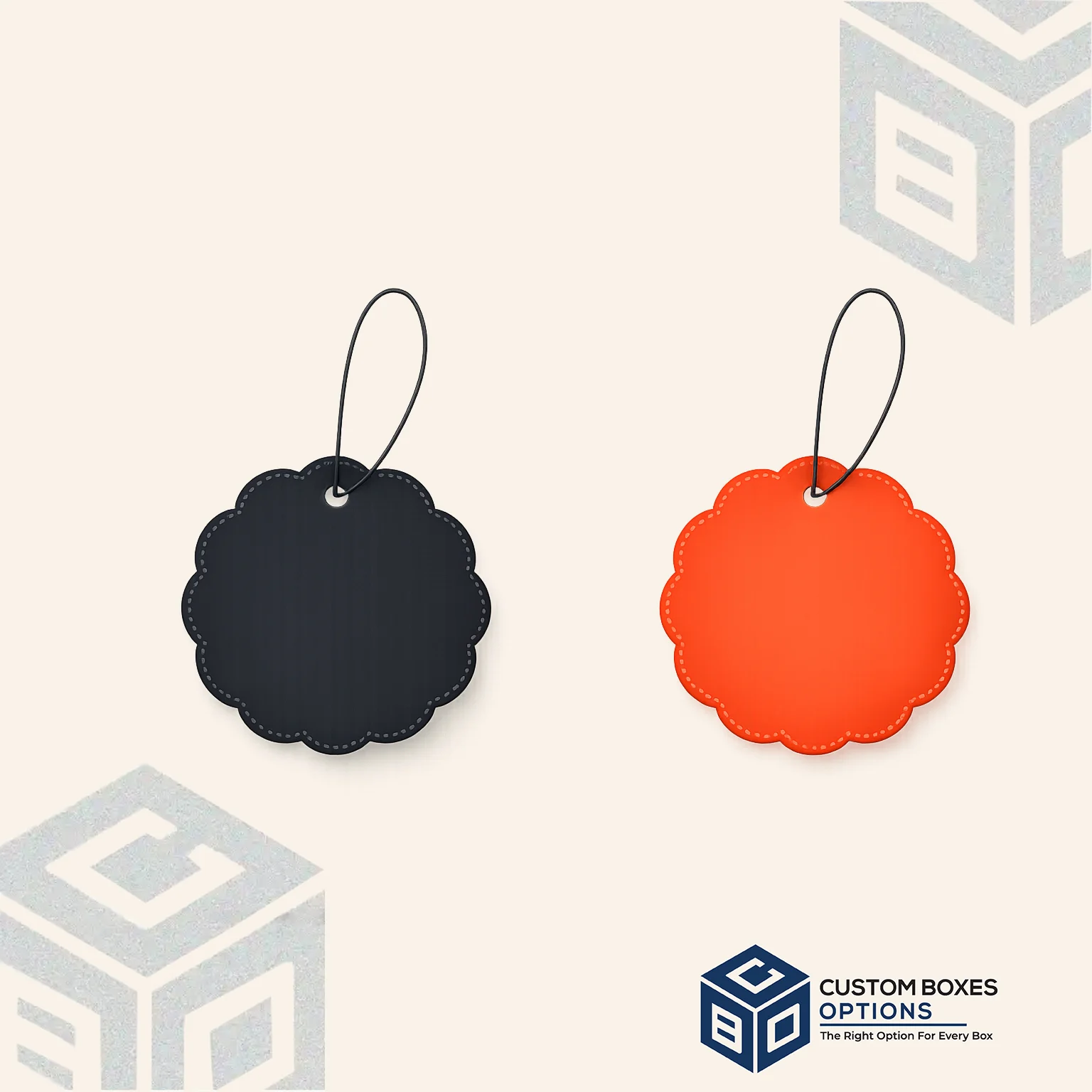
If a shaped or premium tag is central to your brand, put the code on an applied label on the reverse or on the packaging, and let the tag do the branding. That is also the answer for small formats like circle hang tags, which rarely have room for a compliant code at all.
Retail stock gets discounted. That is not a failure case; it is the normal lifecycle.
Design a clear area sized for a standard reduction sticker, positioned so it covers the original price without covering your brand mark or the barcode. Edge-to-edge artwork forces store staff to place the sticker wherever it fits, which is usually across your logo.
If you supply a larger retailer, they will publish a vendor packaging guide specifying barcode symbology, tag placement on the garment, attachment method, and sometimes tag dimensions.
Those specifications are not suggestions. Non-compliant tagging is a common source of chargebacks, and the cost of retagging a delivery at a distribution center lands on the supplier. Send us the vendor guide with your artwork, and we will build to it.
Independent retailers often mark tags by hand or overprint them in store with a thermal or impact printer.
Neither works on a laminated or heavily coated surface. Ink beads on gloss, and thermal printers need an uncoated or specially coated stock to take an image. If your tags will be written on or printed after delivery, specify uncoated and accept the loss of scuff resistance.
Durability matters more than distinctiveness here, which makes rounded-corner hang tags the sensible default and an eyelet worth specifying at any board weight. Where a tag carries a price, a size, a barcode, and care copy at once, folded hang tags are the only format with room for all of it.
Running tags and reduction labels through one retail packaging supplier keep the stock consistent between the two. Request a free quote and physical samples for your Retail Hang Tags, and we will verify barcode specifications before the run.



Reviews
There are no reviews yet.