
Free Shipping
14-Days Returns

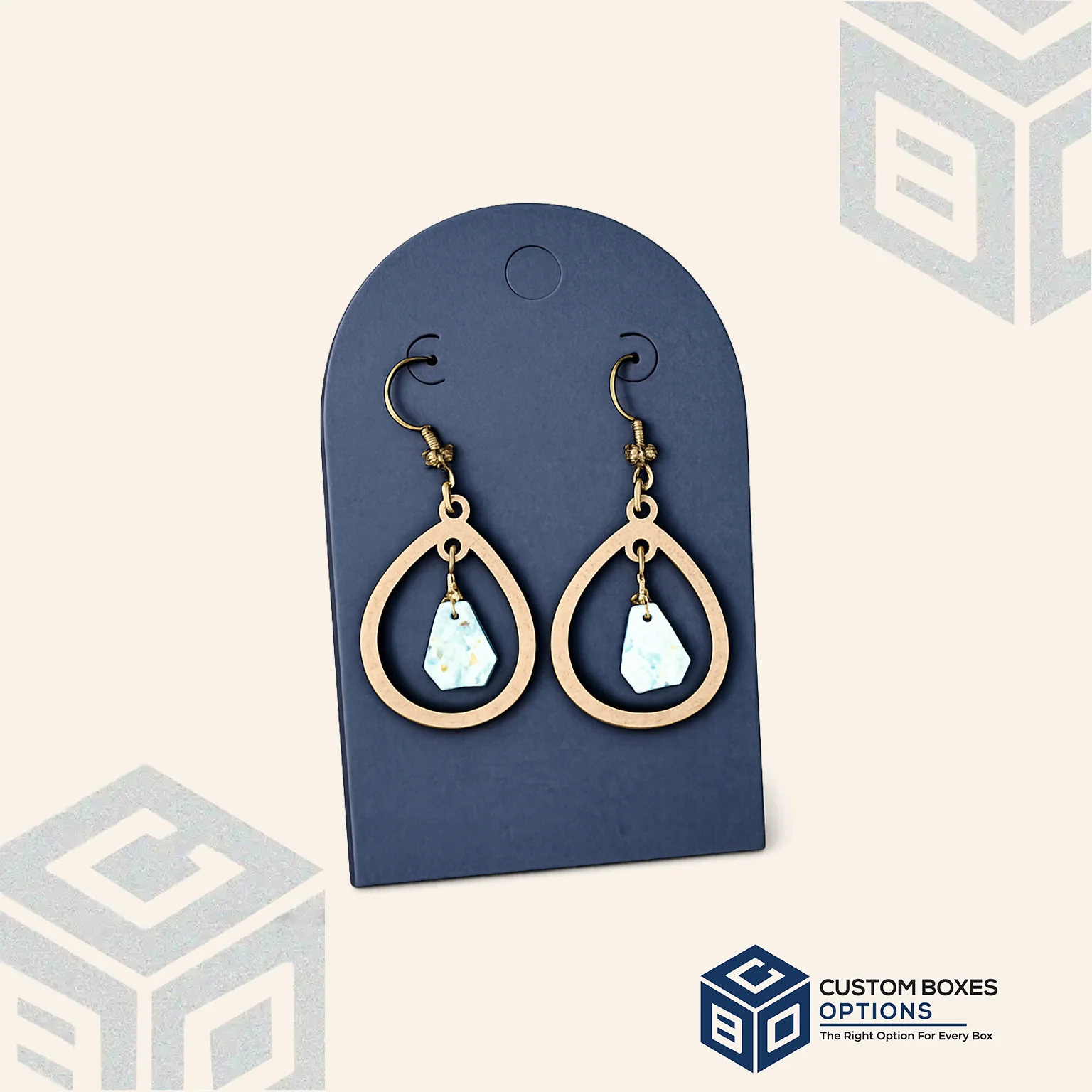


Jewelry Hang Tags have no seam or buttonhole to attach to, which is why the fastening matters more here than the printing. A slit lets a chain slide in. A butterfly notch grips a ring band directly. A drilled hole works only where a loop can pass through. We also specify acid-free, lignin-free board as standard, because acidic stock in prolonged contact will tarnish sterling silver during months of inventory. Formats run from 1-inch ring tags to folded cards carrying karat marking. Our wholesale packaging manufacturer team confirms the attachment against your actual piece before any tooling begins.
Free Shipping
Free Design Support
Starting from:
$1.00 Original price was: $1.00.$0.50Current price is: $0.50.
In Stock
| Shipping | 07-14 Business Days, Rush |
|---|---|
| Return | 14 Days |
Jewelry Hang Tags face a problem that no other format in our complete hang tag range has to solve. A garment offers a buttonhole, a belt loop, or a seam allowance. A ring offers nothing. Neither does a stud earring or a bracelet clasp.
So the first decision here is not board weight or finish. It is how the tag physically stays attached to a piece of metal.
Complex slot geometry needs custom tooling, which follows the same process set out on our die-cut hang tags page.
This is the specification most jewelry brands never think to ask about.
Board containing residual lignin turns acidic as it ages. Sterling silver reacts to that acidity, and jewelry rarely sells the week it arrives; a piece can sit in stock, in a display case, or in a warehouse for six months or longer with the tag pressed against the metal the whole time.
The result is tarnish along the contact line: a dark stripe exactly where the tag sat. The piece is fine underneath, but it needs re-polishing before it can be sold.
We specify acid-free, lignin-free stock as standard for that reason. The same distinction applies to the recycled tissue paper often used as the layer underneath.
Jewelry carries its own disclosure framework, separate from the apparel rules covered on our clothing tag page.
Precious metal claims have defined meanings. Gold is marked by karat, silver is marked as .925 or sterling, and terms such as gold-plated, gold-filled, and vermeil each describe a specific construction rather than a general impression. Federal stamping rules also pair a quality mark with a maker’s mark.
Gemstone origin needs disclosure as well. Laboratory-grown, simulated, and treated stones must be identified as such rather than described in a way implying natural origin.
One honest limit: we are a printer, not a compliance advisor. We build the panel space and set the copy you supply, but the content should be reviewed by someone qualified in jewelry labeling before printing.
A jewelry tag is often an inch across, and that imposes real constraints.
Type below roughly 5pt stops being reliably legible on uncoated stock. Barcodes need a clear margin on either side to scan, and most small tags cannot hold one; put those on applied labels on the packaging instead.
When karat marking, care copy, and a price all need to appear, the answer is folded hang tags, which multiply panels without widening the footprint.
Earring cards and necklace cards blur the line between tag and packaging. A card with punched holes for posts handles display, protection, and labeling at once, and it usually needs heavier board than a hanging tag.
Finish matters more at this size than anywhere else in the range, because the card is seen directly alongside the metal. A small foil stamp picks up the tone of gold or silver on the piece itself, and brands running matched sets carry that treatment onto rigid presentation boxes. Sourcing cards, tags, and boxes through one specialist card and tag printer keeps the metallic tone consistent across all three.
Request a free quote and physical samples for your Jewelry Hang Tags, and we will confirm attachment and slot sizing against your actual pieces first.

Reviews
There are no reviews yet.