
Free Shipping
14-Days Returns

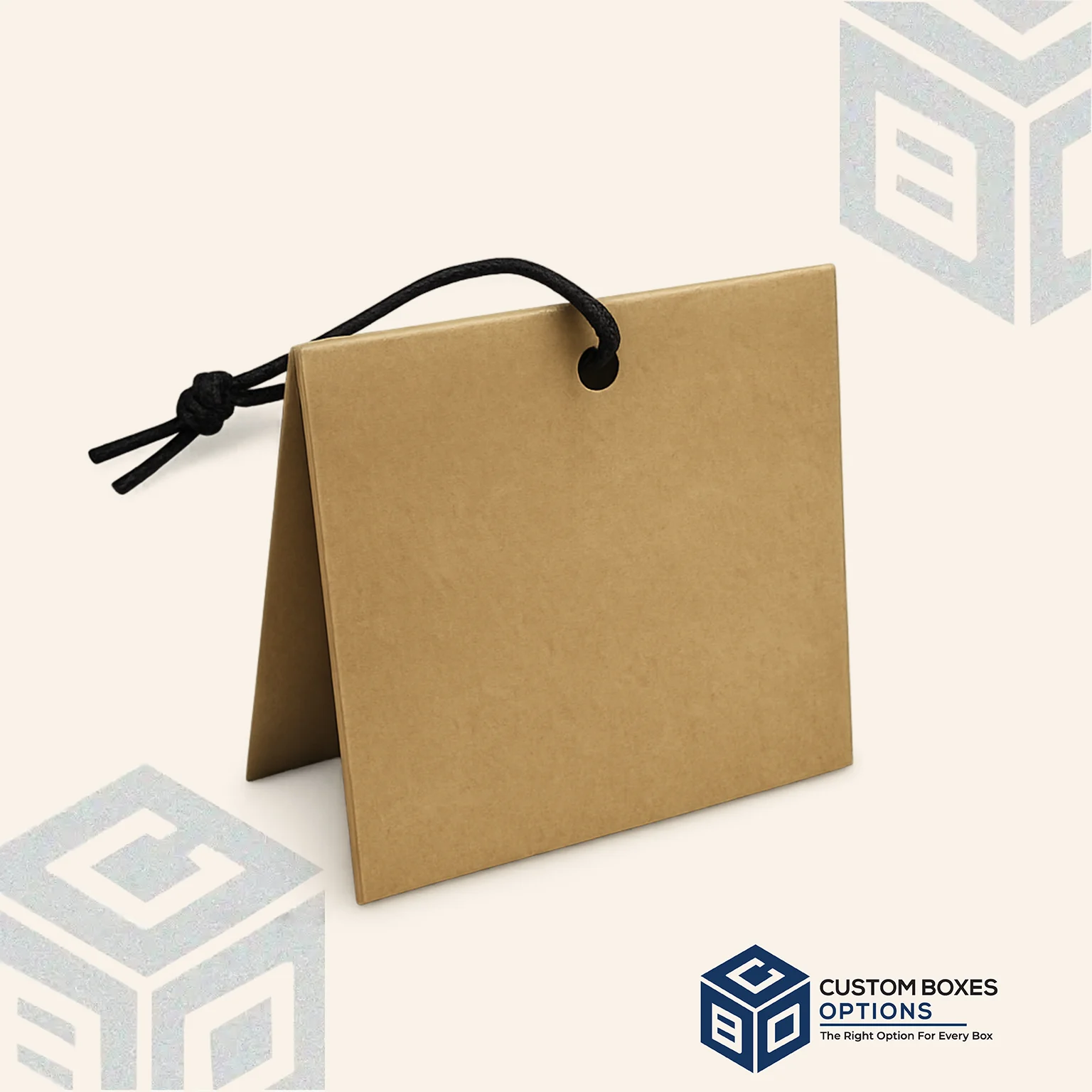
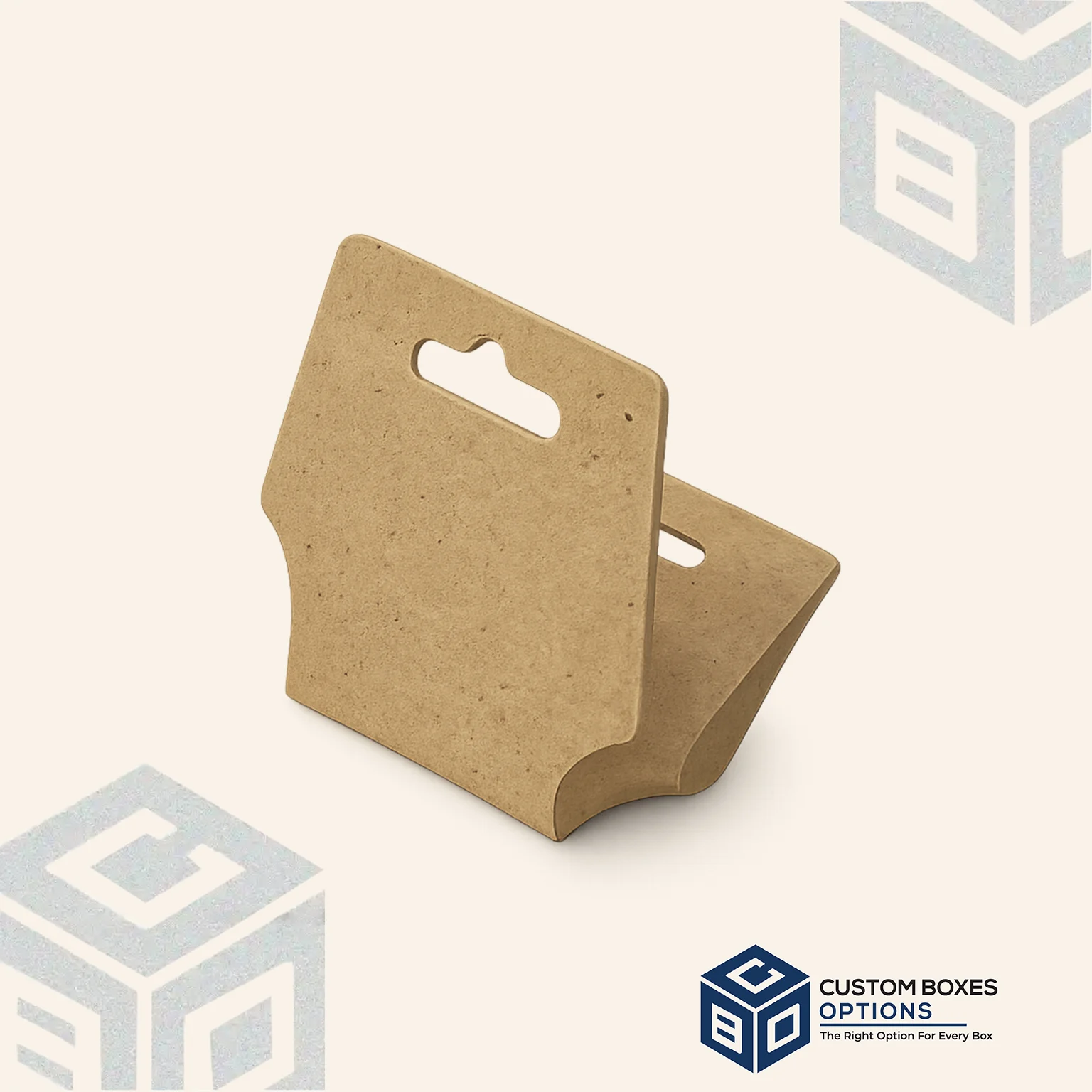
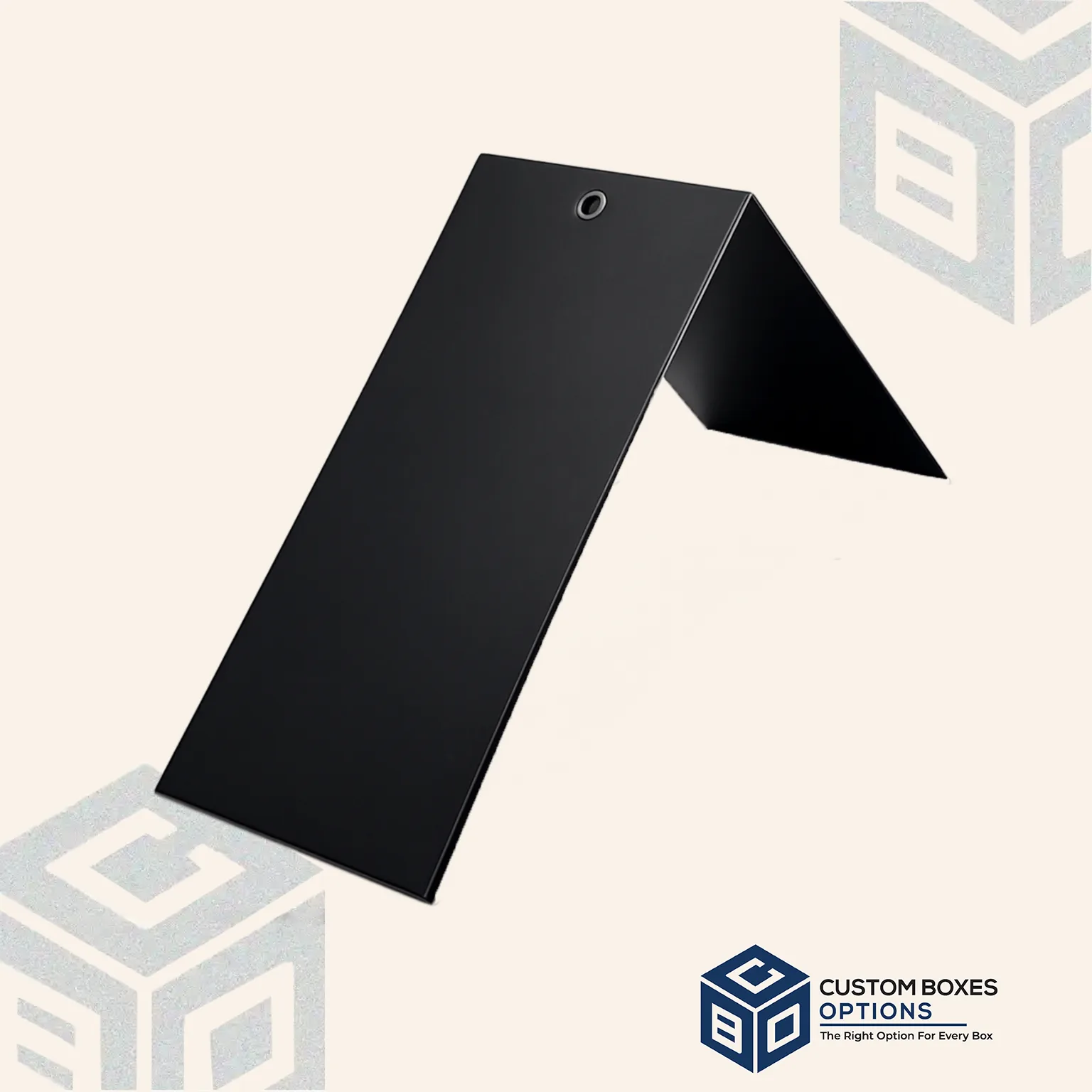
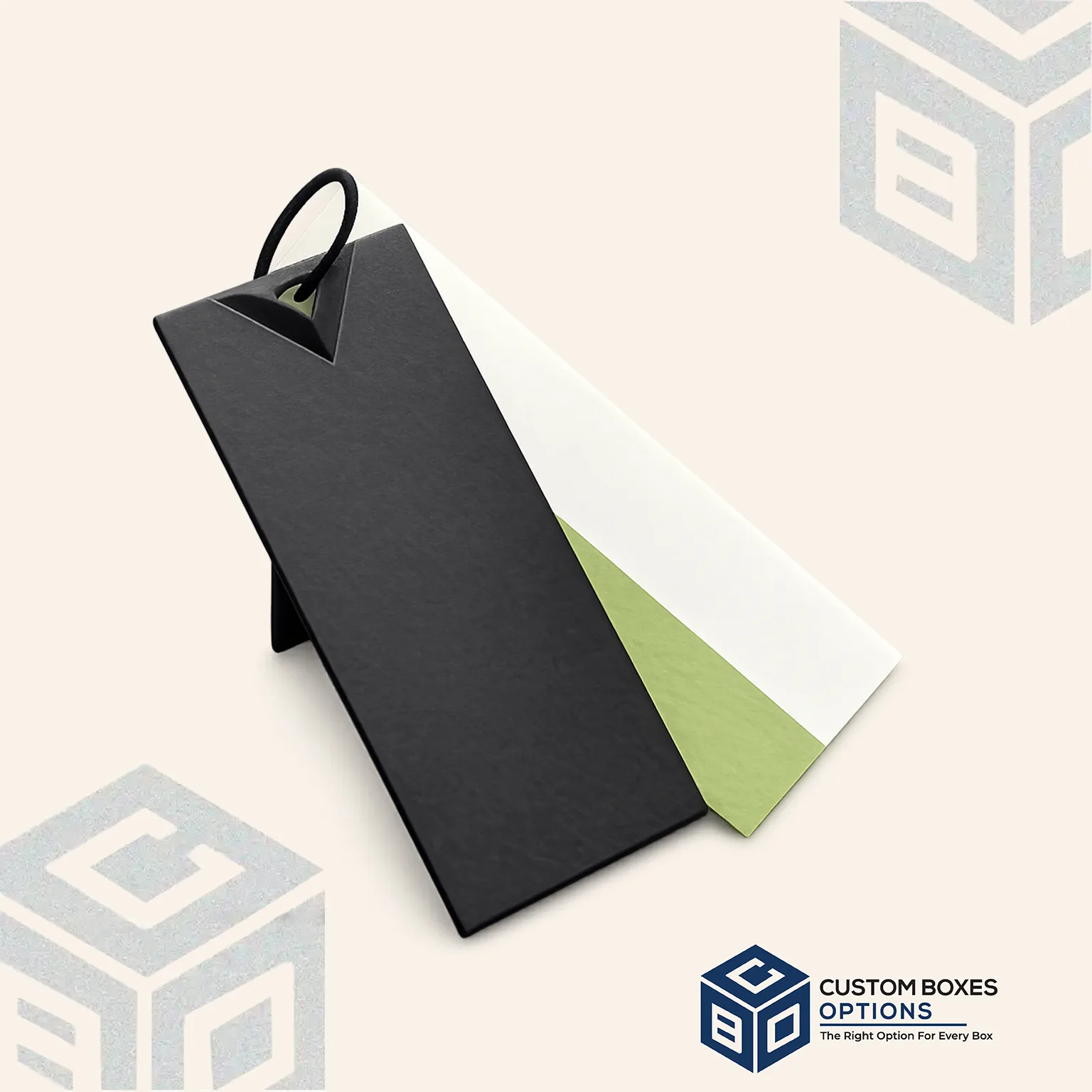
Folded Hang Tags solve the problem every apparel brand hits at the proof stage: the copy will not fit. Folding turns two printable surfaces into four or six without enlarging the tag, so fiber content, care guidance, sizing, and brand story each get room at a legible type size. The front stays clean. We score before folding so the crease does not crack through heavy ink, align the drill hole across every panel, and finish with eyelet reinforcement. Available in half, gate, tri-fold, and accordion formats. Our specialist packaging printer team checks the grain direction before production begins on your first run.
Free Shipping
Free Design Support
Starting from:
$1.00 Original price was: $1.00.$0.50Current price is: $0.50.
In Stock
| Shipping | 07-14 Business Days, Rush |
|---|
Folded Hang Tags exist because of a problem that surfaces at the proof stage across our printed swing tag range: the copy will not fit. Fiber content, care guidance, sizing, a price, and a brand mark all compete for one small face, and something always loses.
Folding solves it by adding panels rather than adding to the footprint.
A flat tag has two printable surfaces, front and back. That is the entire budget.
A half-fold gives you four. A tri-fold gives you six. An accordion fold can reach eight. The tag still hangs at the same visible size on the rail, but your available copy area doubles or triples.
That arithmetic is why folded formats dominate in clothing hang tags, where mandatory disclosures and brand messaging cannot realistically share one panel at a readable type size.
This is the technical detail almost nobody raises, and it separates a clean tag from a damaged-looking one.
Board has a grain, the direction its fibers align during manufacture. Folding parallel to that grain produces a smooth crease. Folding across it forces fibers to break, showing as a rough, split edge along the fold.
The effect worsens on heavier stock and is at its ugliest through dark, heavy ink coverage, where cracking exposes white board along the crease. We orient the layout so the fold runs with the grain, and where a design forces a cross-grain fold, we score deeper to compensate.
Scoring itself is not optional above roughly 12pt. A score compresses the board along a controlled line so fibers bend instead of tearing. Skipping it is what makes premium stock look cheap at the fold.
A folded tag springs open unless something holds it, and a gaping tag reads as untidy on a display.
Four approaches work: run the string through both panels so tension holds them shut; seal with a small branded sticker from our labels range; add a die-cut tuck tab using the same tooling approach as die-cut hang tags; or specify a deeper crease that sets the fold more firmly.
The sticker seal is the most common, since it doubles as an extra branding surface.
Drilling through multiple panels requires the fold to register accurately; if the hole misaligns, the tag hangs skewed.
We drill after folding for that reason and allow a margin at the top of every panel for an eyelet. Small formats like jewelry hang tags are the tightest case, since narrow panels leave little board around the hole.
A folded tag uses roughly double the board of a flat tag at the same visible size, plus scoring and folding operations. Expect a meaningfully higher unit cost.
That premium is justified when the copy genuinely requires it. It is not justified for a logo and a price; a flat circle hang tag does that job for less. And if the inside panels are carrying a brand story rather than compliance copy, foil detailing on the outer face usually earns more attention than the extra panels do.
Sourcing tags and seals from one print and packaging manufacturer keeps the color matched across the board and label. Request a free quote and physical samples for your Folded Hang Tags, and we will confirm grain direction and panel layout before production.

Reviews
There are no reviews yet.