
Free Shipping
14-Days Returns
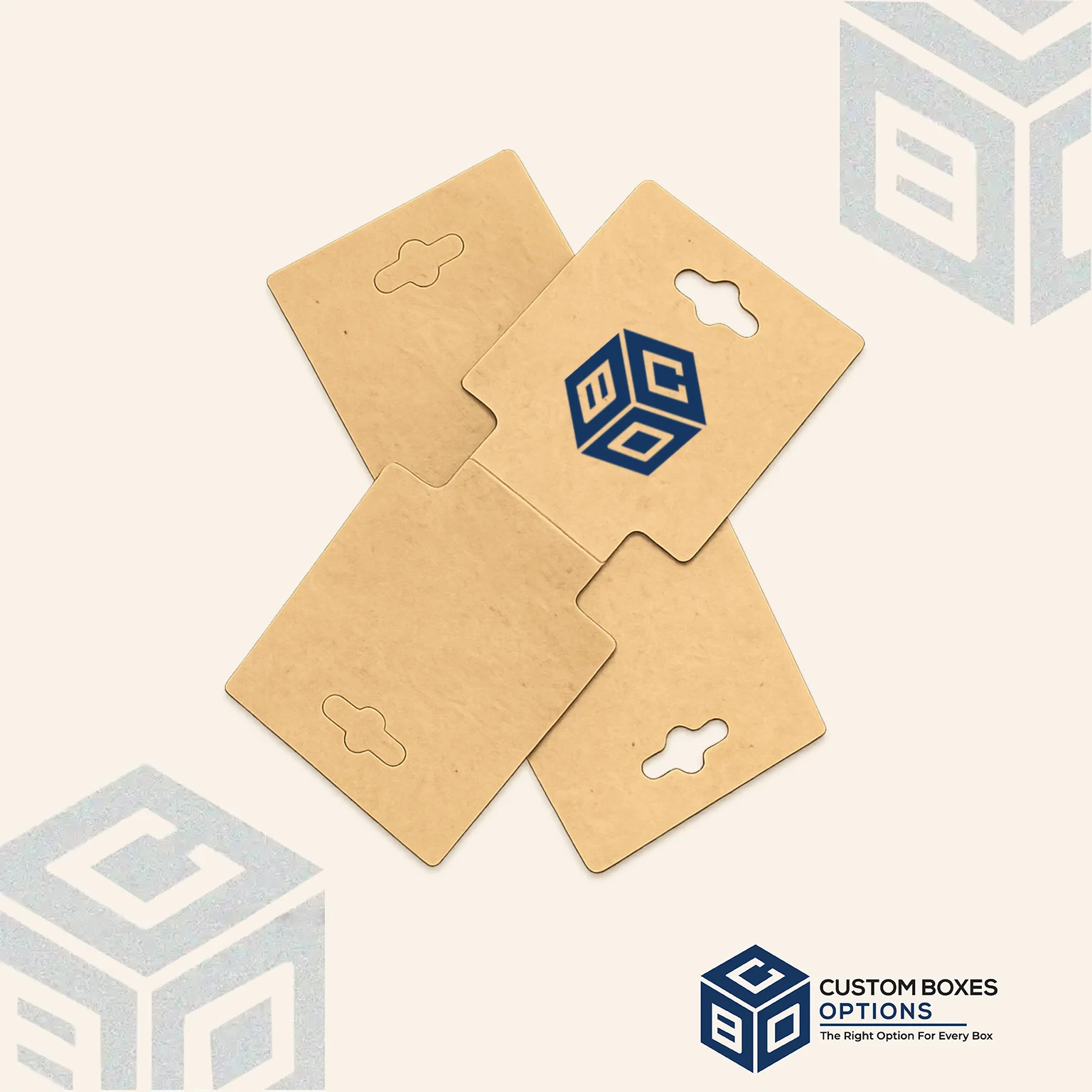
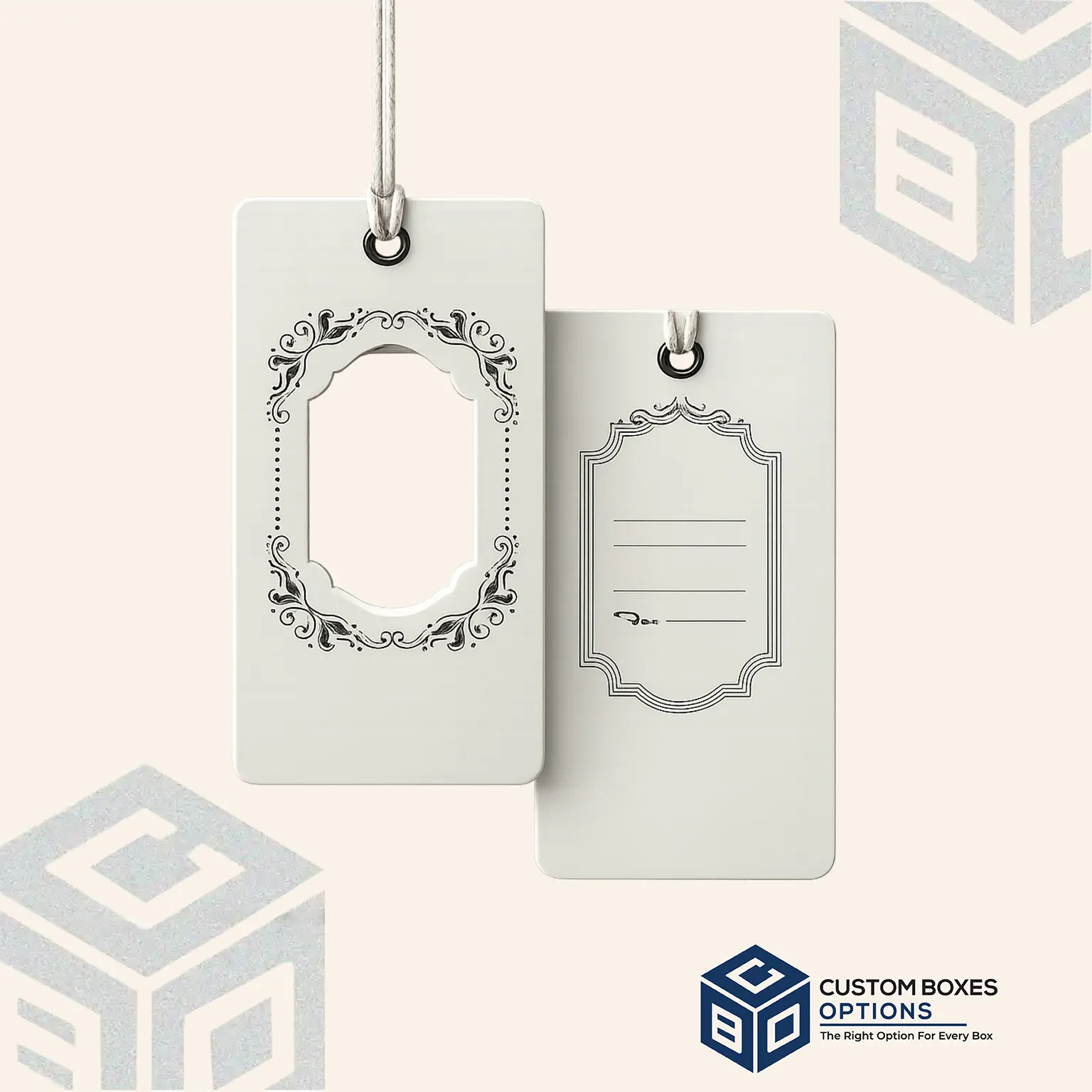
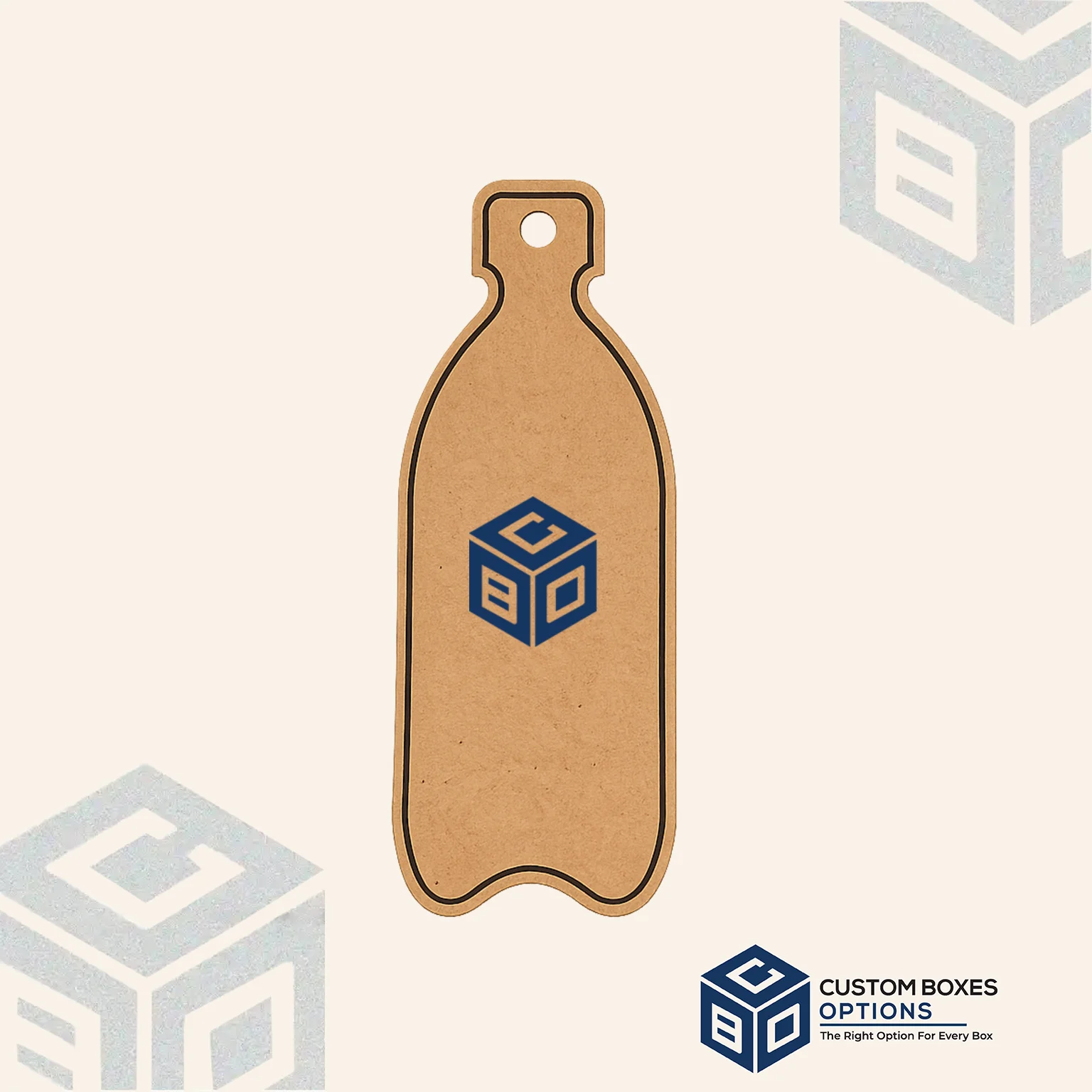
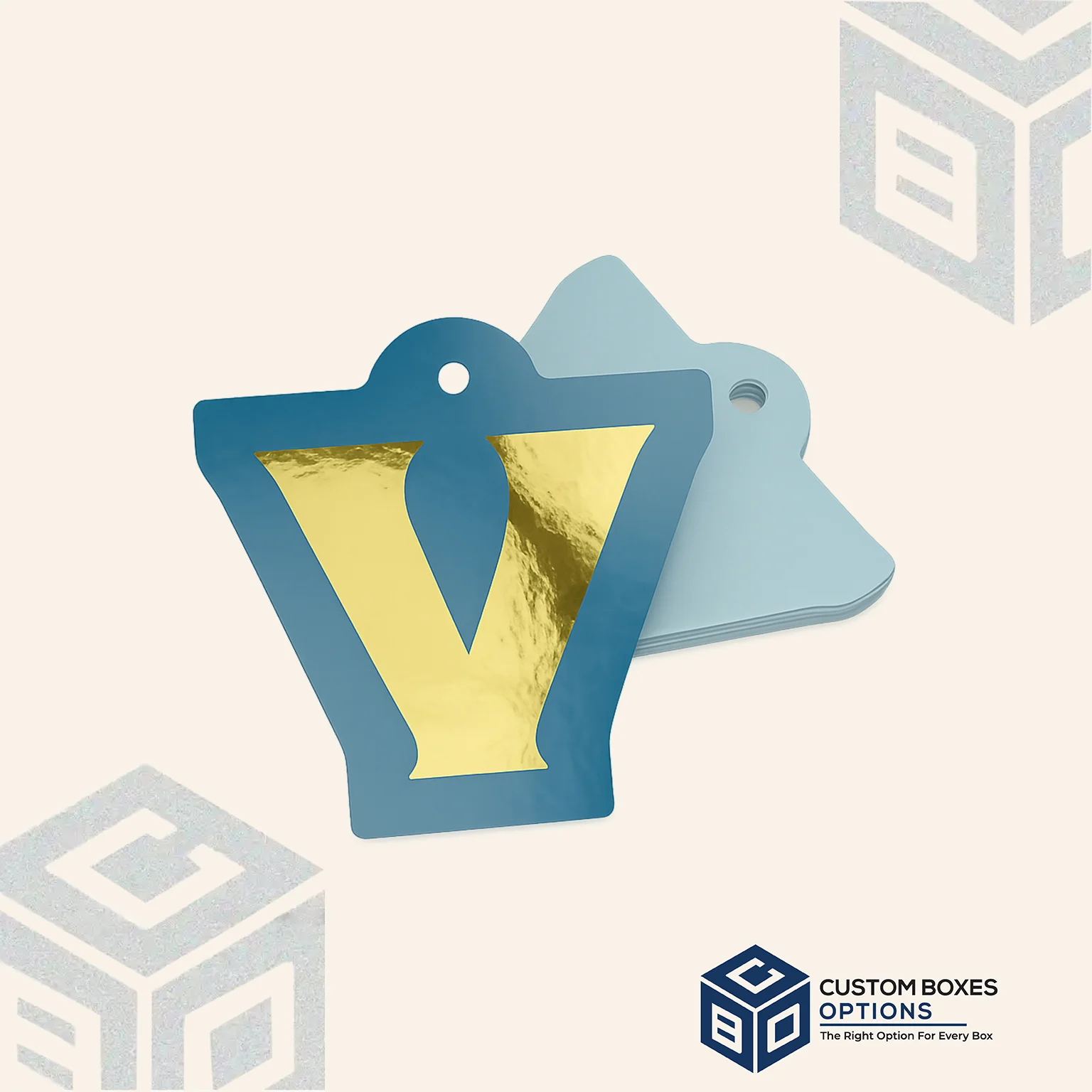
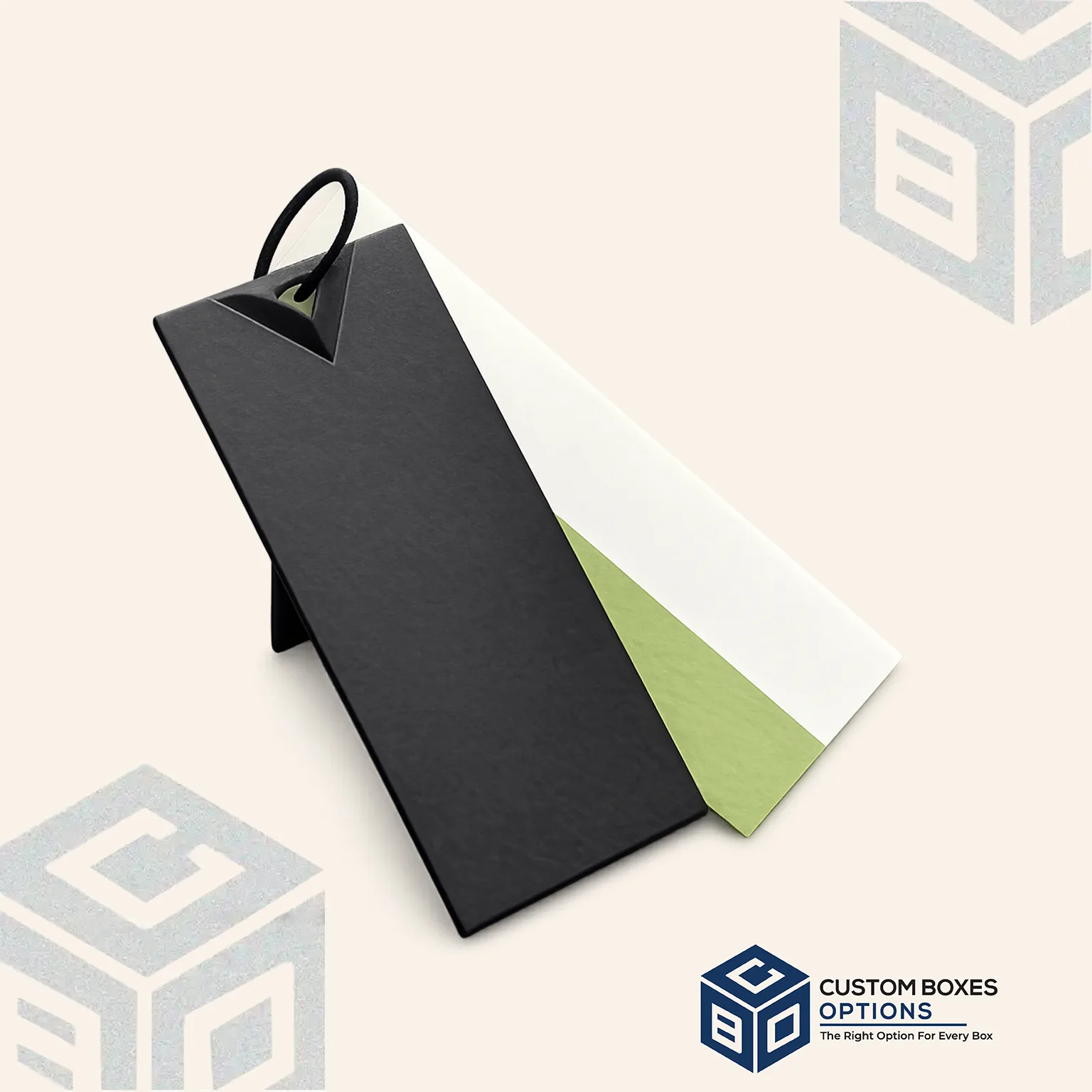
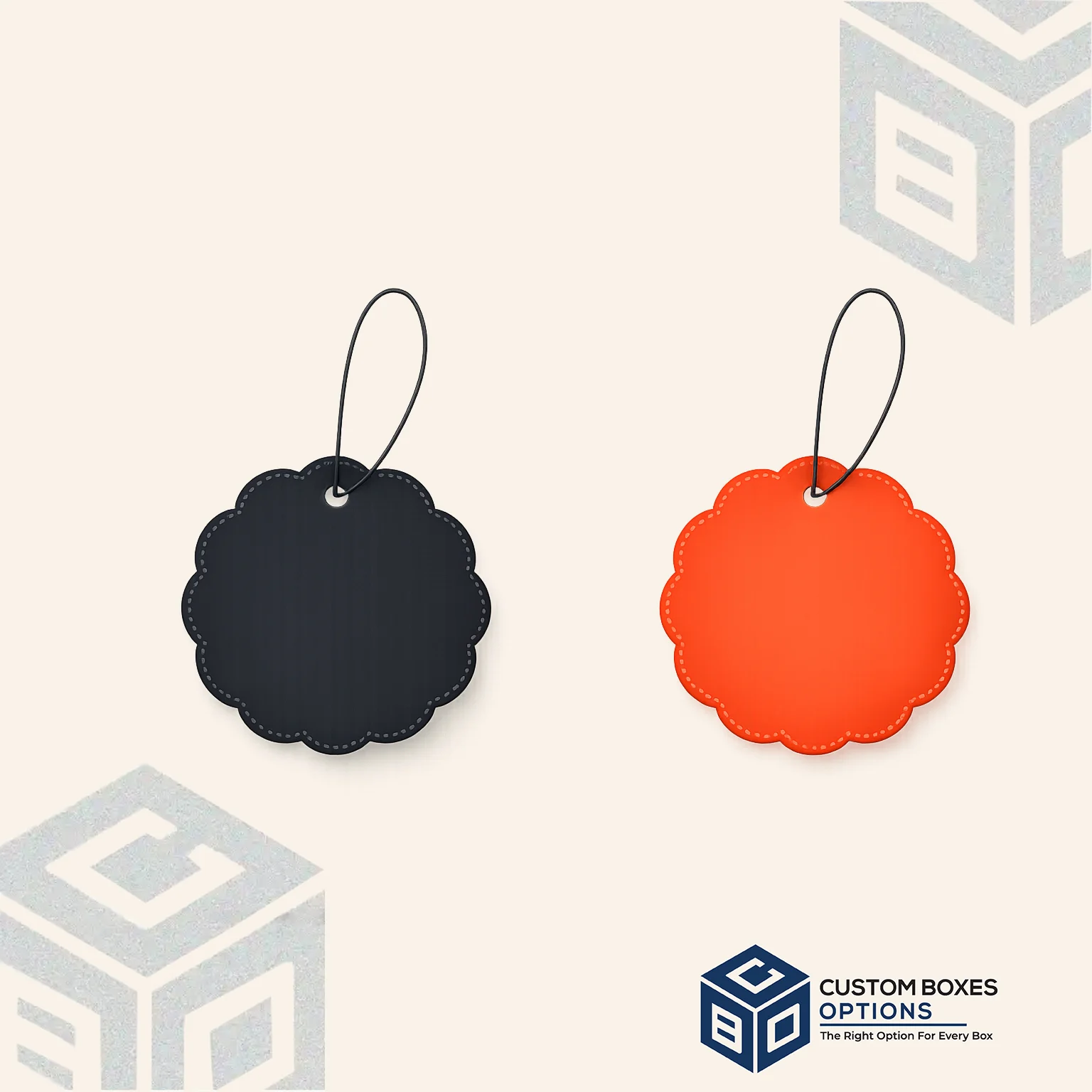
Die-cut hang tags are the only tag format where the outline itself does the selling. Cut a shape that references the product, a bottle silhouette, a leaf, a boot profile, and the tag registers before anyone reads a word. That impact comes with real trade-offs: custom tooling costs more than a standard die, intricate outlines slow production, and complex shapes usually need hand-stringing rather than machine. We build the die around your artwork and flag structural weak points before cutting. Our bespoke packaging manufacturer team reviews shapes for durability first.
Free Shipping
Free Design Support
Starting from:
$1.00 Original price was: $1.00.$0.50Current price is: $0.50.
In Stock
Every other format in our swing tag collection starts from a stock shape and puts your design inside it. Die-Cut Hang Tags reverse that. The shape is the design, and everything else follows from it. That freedom is genuinely powerful, and it is also where most first-time orders go wrong.
A custom die is a physical steel rule, bent and mounted to your outline. It is manufactured once, and it is charged once.
That means the economics are backwards from what most brands assume. On a first run of 250 tags, tooling can represent a substantial share of your unit cost. Across 5,000 tags, it becomes almost negligible. And on a reorder using the same die, it disappears entirely, which is the single most useful thing to know before choosing between a custom shape and a stock one.
If you expect to reorder the same shape repeatedly, a die cut is cheaper over time than it looks on the first quote. If the shape changes seasonally, it is not.
Ask who owns the die. Some suppliers retain tooling as their property even after you have paid the setup, which makes moving manufacturers expensive. We release it.
This is the practical failure most designers do not anticipate.
The board has no tensile strength at narrow sections. A shape with a thin connecting neck, the stem of a leaf, the handle of a silhouette, the tail of a script letter. Will snap during handling regardless of board weight. Sharp interior corners crack for the same reason.
We check for these before cutting and come back with a revised outline rather than producing tags that fail in the field. Softening a sharp interior angle into a small radius usually preserves the design intent completely while removing the weak point.
Two hidden costs sit behind an intricate outline.
On a rectangle, the hole sits centrally near the top. On a custom outline, there may be no obvious top, and the tag will hang at whatever angle the hole dictates.
Decide the hanging orientation first, then place the hole so the shape reads correctly on a rail. A silhouette that looks perfectly flat can hang tilted and unrecognizable. Ensure there is enough board around the hole for an eyelet — narrow tops are the most common structural revision we request.
A custom die is not always the right answer, and it is worth being honest about that.
If you want a softer outline without tooling complexity, oval and half-circle hang tags deliver distinctiveness at standard die cost. If you need more copy space rather than more shape, folded hang tags solve that far more efficiently. And where the goal is simply durability, rounded-corner hang tags achieve it at the lowest cost in the range.
Reserve the custom die for when the shape genuinely carries meaning.
Die cutting pairs well with foil stamping, though registration matters more here; foil must align to an irregular edge rather than a straight one, so allow slightly more margin than you would on a rectangle.
Brands running custom shapes across a full range usually match them to printed labels on the packaging. Sourcing both through one custom die-cutting and print partner keeps the shape language consistent across the tag and label.
Request a free quote and physical samples for your die-cut hang tags, and we will review your outline for weak points before cutting steel.
Reviews
There are no reviews yet.