
Close

Free Shipping
14-Days Returns
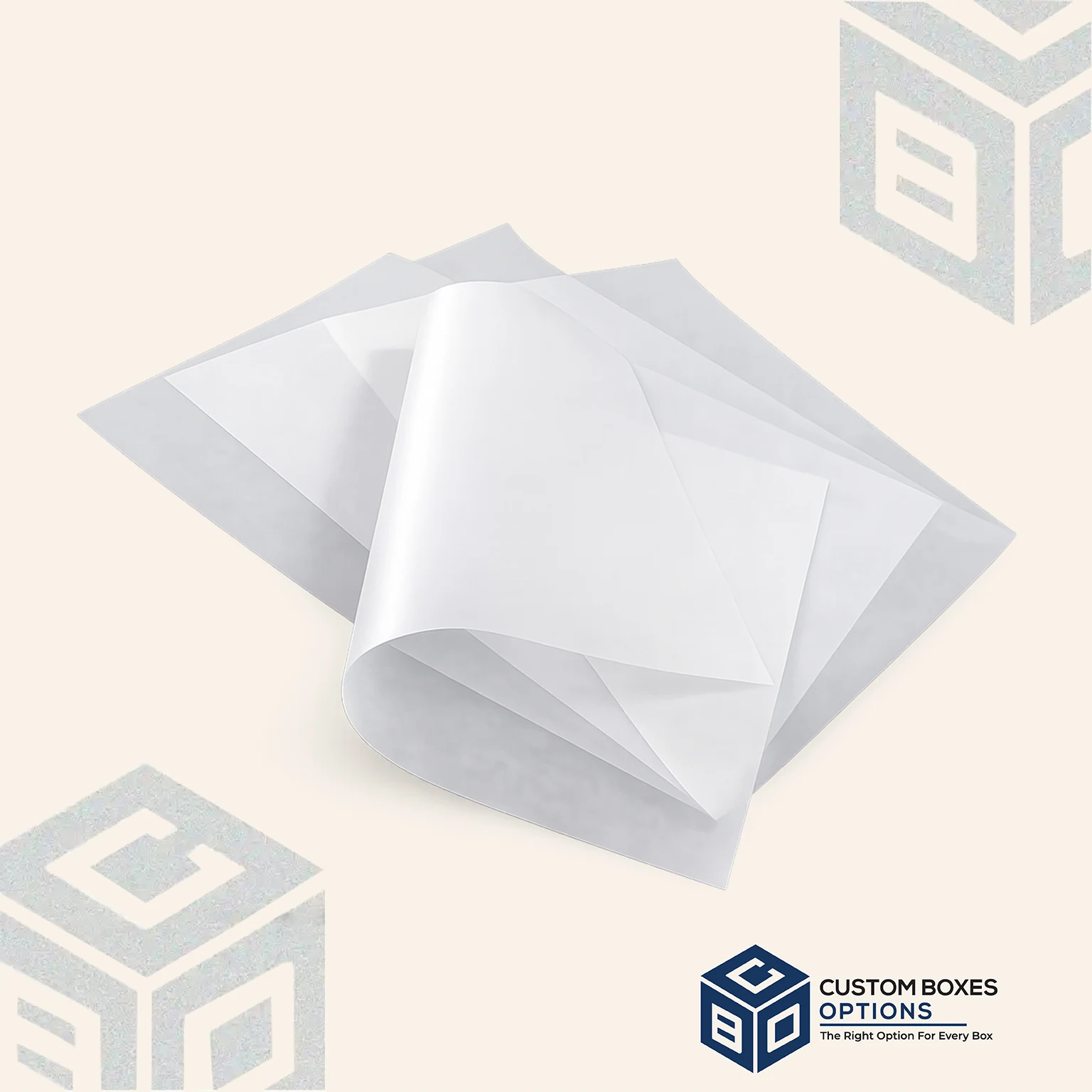
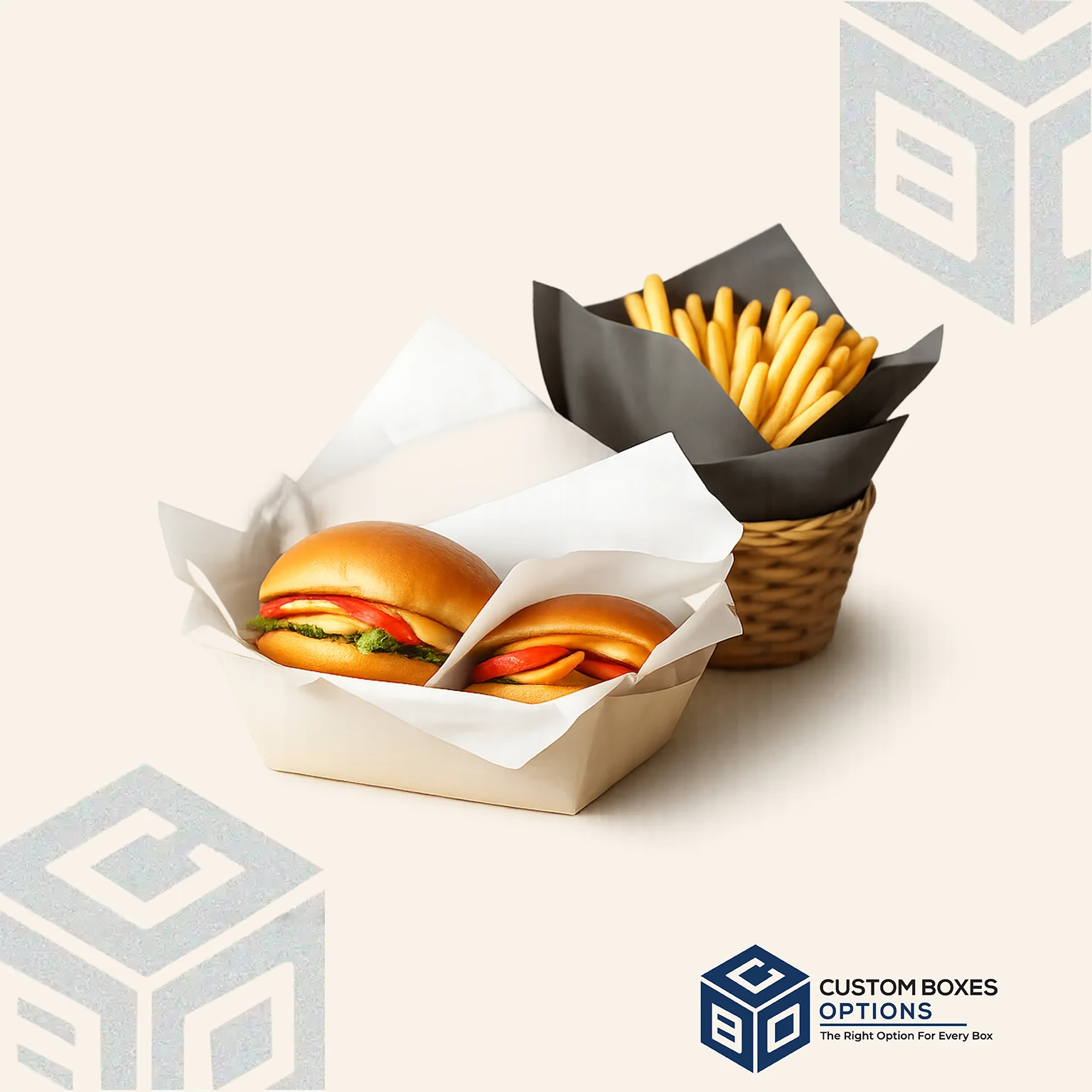
Custom Heat Seal Paper closes a package without glue, tape, or a separate lid. A heat-activated coating on the underside bonds to itself or to a tray flange under a sealing head, producing a tamper-evident closure in under a second. That makes it the working material behind lidded trays, sachets, and portion packs across foodservice. We supply peelable and permanent grades printed with your branding, matched to your sealing equipment. Our custom packaging partner team confirms the seal temperature against your line before production. Available in sheets, die-cut lids, and reel format. Request free physical samples first.
Free Shipping
Free Design Support
Starting from:
$1.00 Original price was: $1.00.$0.50Current price is: $0.50.
In Stock
Every other grade in our custom paper collection is held shut by something external, a fold, a sticker, a box flap. Custom Heat Seal Paper carries its own closure. The adhesive is already in the sheet, dormant until heat activates it, which is why this material sits at the center of any automated packing line.
The underside carries a thermoplastic layer, usually an EVA, polyethylene, or acrylic formulation. At room temperature, it is inert and non-tacky, so sheets stack and feed without blocking.
Under a heated sealing head, that layer softens and flows into the surface it is pressed against, then solidifies as it cools. The bond forms in well under a second. This is what allows a line-packing Custom Sushi Boxes to seal several hundred units an hour without a separate lid component.
This is the specification decision that matters most, and it depends on who opens the pack.
Peelable seals separate cleanly by hand, leaving the flange intact and no fiber tearing. Consumer-facing packs need this: a customer opening a lidded portion of Custom Tofu Boxes should not need scissors.
Lock seals bond permanently and tear the substrate on opening. They suit bulk and transport applications, or anywhere tamper evidence matters more than convenience, such as sealed trays going out with Custom Foil Takeaway Boxes for catering runs.
Ask any supplier which grade they are quoting. Sending a lock seal to a retail line is an expensive discovery to make at the packing stage.
Coatings activate across a range, roughly 175°F to 250°F, depending on formulation. Your sealing head has to reach that reliably.
Run too cool, and the bond is incomplete, which shows up as random failures rather than obvious ones. Run too hot, and the coating degrades, the paper scorches, and print discolors along the seal line.
Tell us your equipment’s operating temperature and dwell time. Operations packing Custom Chinese Food Boxes on older sealers often need a lower-initiation grade than a newer line would require, and specifying blind is how you end up with stock your machine cannot use.
Heat seals fail at the flange almost every time, and the cause is usually product, not paper.
Sauce, oil, or crumbs sitting in the seal area prevent the coating from contacting the surface underneath. The bond forms around the contamination and leaks there. Wet items like sauced portions in Custom Shawarma Boxes are the most common offenders.
The fix is line discipline rather than a heavier coating; keep the flange clean and dry, and specify a grade with some contamination tolerance if your product is inherently messy.
Heat-seal paper also closes against itself, which is what makes sachets possible. Sugar, condiment, seasoning, and single-serve portions all rely on a face-to-face seal on three or four edges.
Cafes running loose-leaf programs alongside Custom Tea Boxes use sealed sachets for freshness, and grab-and-go counters stocking Custom Bagel Boxes typically pair them with sealed condiment portions on the same print design.
Heat seal is a converting material rather than a wrapping one, so its boundaries are firm. Oily hand-held items belong in Custom Greaseproof Paper. Frozen storage needs Custom Freezer Paper, and the food-contact compliance framework across the range sits under Custom Food Paper.
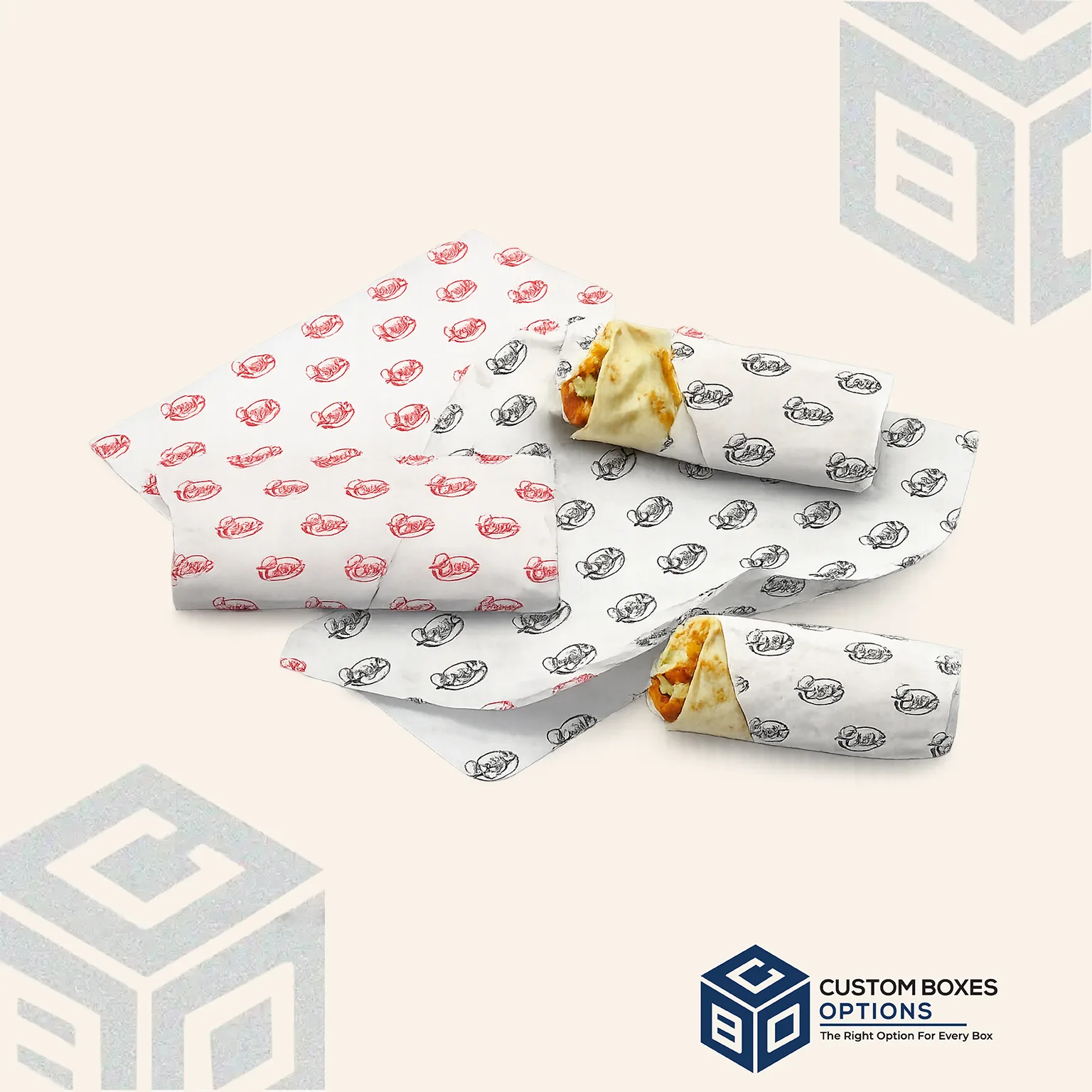
Print goes on the uncoated top face, and the seal zone needs to stay clear of heavy ink coverage, since ink under a sealing head can scorch or transfer.
We map the seal area at the artwork stage and keep your design inside it. Operations printing lids for Custom Food Tray Boxes usually run a simple top-face logo with the perimeter left clean, which also photographs better than edge-to-edge coverage.
Meal prep and catering operations typically run heat-seal lids alongside Custom Lunch Boxes for assembled meals, Custom Takeaway Plates for hot service, and Custom Sausage Boxes or Frozen Hot Dog Boxes for protein lines. Sourcing across the set from one printed packaging specialist keeps one color reference across the lid, tray, and carton. Request a free quote and physical samples for your Custom Heat Seal Paper, and we will confirm the seal grade against your equipment first.
Reviews
There are no reviews yet.