
Close

Free Shipping
14-Days Returns
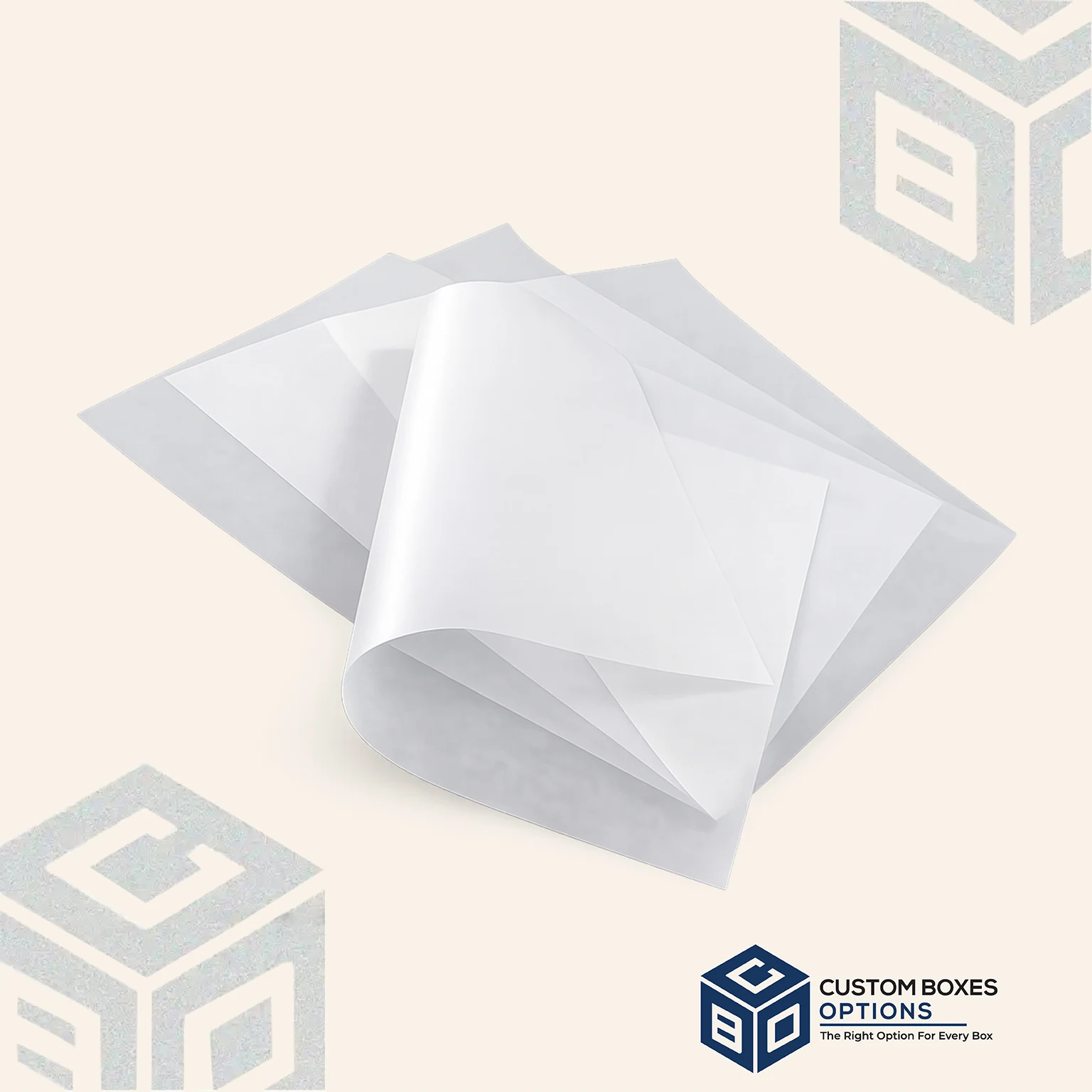

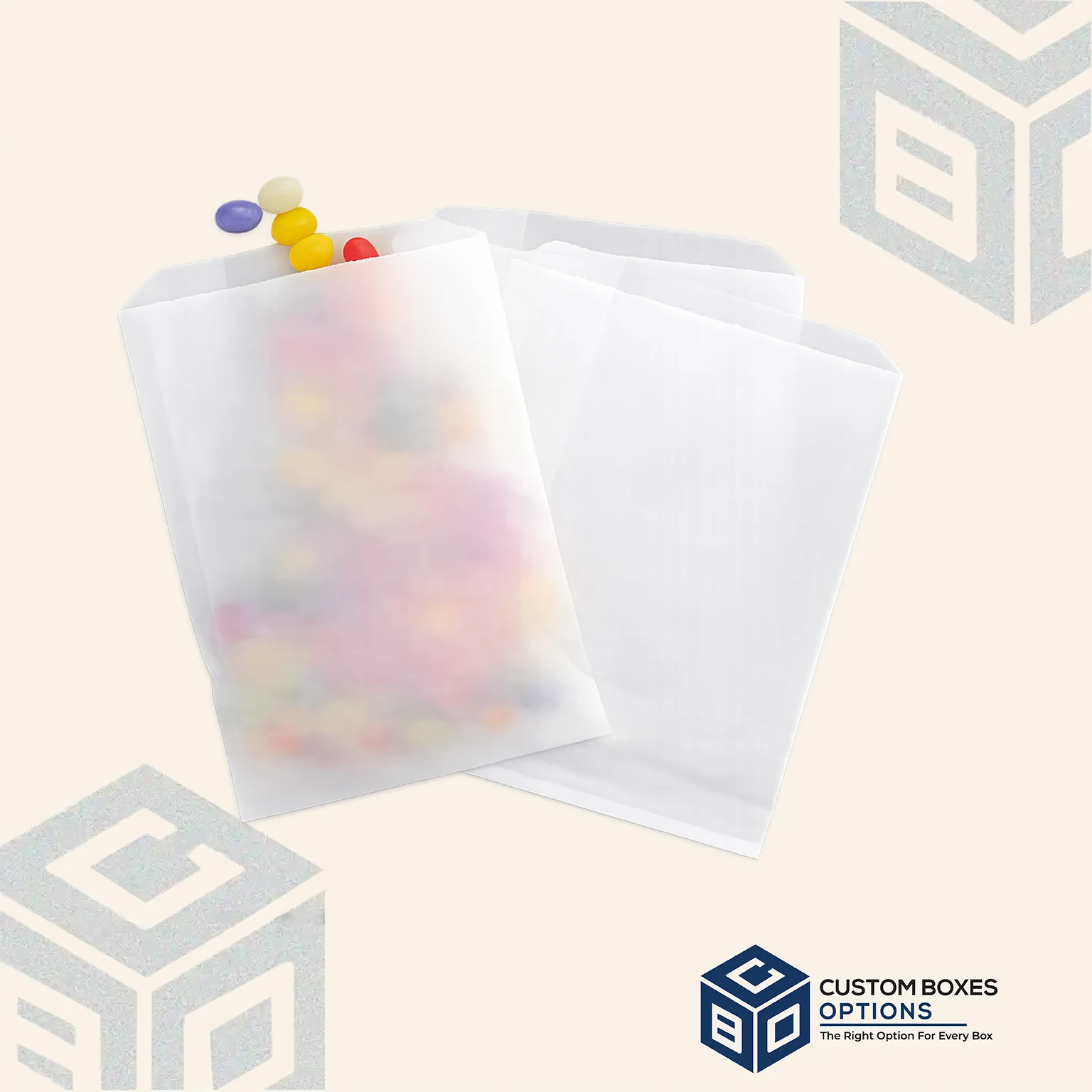

Custom Glassine Paper achieves its barrier through pressure alone. No wax, no silicone, no polymer, just wood pulp refined and rolled under heat until the fibers pack tight enough to block grease, air, and moisture. That makes it the rare barrier paper that is fully recyclable and biodegradable. It is also naturally acid-free, which is why archivists use it alongside pastry chefs. The semi-translucent finish lets the product show through without unwrapping. We supply sheets, rolls, and bags in natural and bleached grades. Our custom packaging suppliers team specs wethe ight against your application. Request free physical samples before your first order.
Free Shipping
Free Design Support
Starting from:
$1.00 Original price was: $1.00.$0.50Current price is: $0.50.
In Stock
Every other barrier grade in our printed paper range works by adding something. Silicone on greaseproof, polyethylene on freezer paper, wax on butter wrap. Custom Glassine Paper is the exception, and that difference explains most of what makes it useful.
Glassine resists grease, air, and moisture because of how its fibers are arranged, not because of anything applied to the surface. Nothing is laminated on. Nothing can leach off.
The practical consequence is that glassine stays fully recyclable and biodegradable while still performing as a barrier, a combination coated papers cannot offer. For brands where a sustainability claim needs to survive scrutiny, that is a meaningful specification advantage rather than a marketing line.
The process runs in two stages.
First, the pulp is beaten far longer than ordinary papermaking requires. This heavy refining swells and frays the fibers, allowing them to interlock much more tightly than they otherwise would.
The sheet then passes through a supercalender, a stack of heated rollers under high pressure. That flattens and aligns the fibers into a dense, closed structure with almost no air voids left inside.
The glossy, semi-translucent look is a byproduct of that density. Light passes through because there are few air pockets to scatter it, and the surface shines because it has been physically polished by the rollers.
Because no coating and no acidic sizing are involved, glassine is naturally pH neutral. That has made it standard material well outside food service.
Museums and photo archives use it to interleave prints and negatives. Stamp and coin collectors store in glassine envelopes. Textile conservators layer it between folded fabric.
If archival buyers are part of your market, specify acid-free and lignin-free explicitly and say so on the packaging — that phrase is what those customers search for.
Glassine shows the product without exposing it. For anything bought on appearance, that changes how it merchandises.
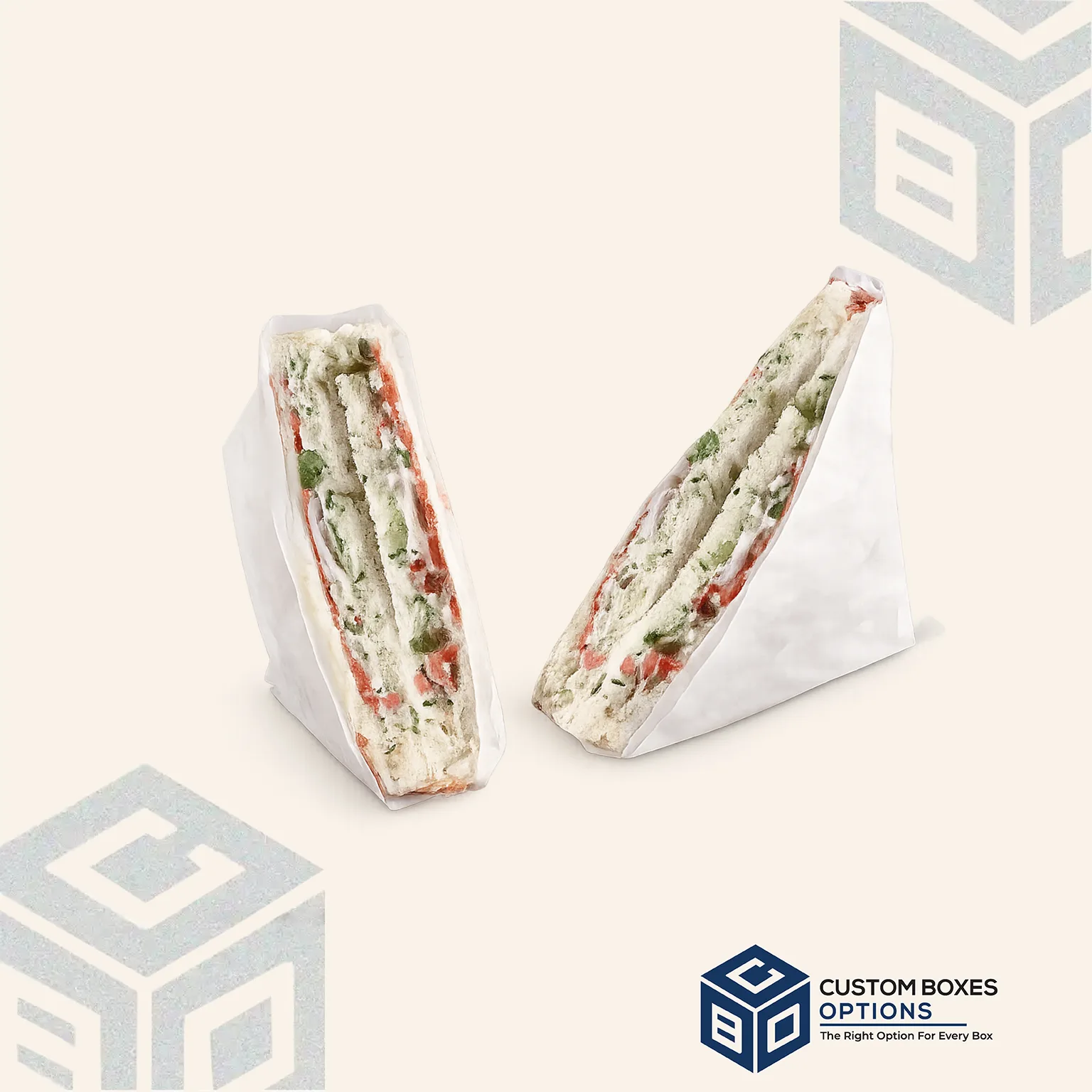
Bakeries use glassine bags, so customers can see the cookie. Chocolatiers wrap bars so the mold detail reads through. Soap makers rely on it because color and swirl sell the bar while the wrap still contains oils.
It gives you a window without needing a die-cut, and without the plastic film a window would normally require.
Two honest constraints worth knowing before you specify.
Glassine’s grease resistance is genuinely good at room and chilled temperatures, but it does not match silicone treatment under sustained heat. For hot fryer output, Custom Greaseproof Paper is the correct choice, and oven work requires the heat rating of Custom Parchment Paper.
Heavy creasing also compresses the sheet unevenly and can open small pathways along the fold. It performs best when wrapped and folded lightly rather than sharply pleated.
Glassine runs roughly 20 to 90gsm. Lighter stock suits interleaving and envelope work; heavier stock holds up as bags and wraps.
Among our range, glassine occupies the presentation-and-protection middle ground. Custom Butter Paper handles fat and light for dairy. Custom Cheese Paper manages a breathing envelope. Frozen storage needs Custom Freezer Paper, and the compliance framework across all food grades sits under Custom Food Paper.
The supercalendered face is smooth and closed, which produces crisp detail but slower ink absorption. Cure time matters more here than on absorbent stocks, and we account for that in scheduling rather than rushing a run and risking offset.
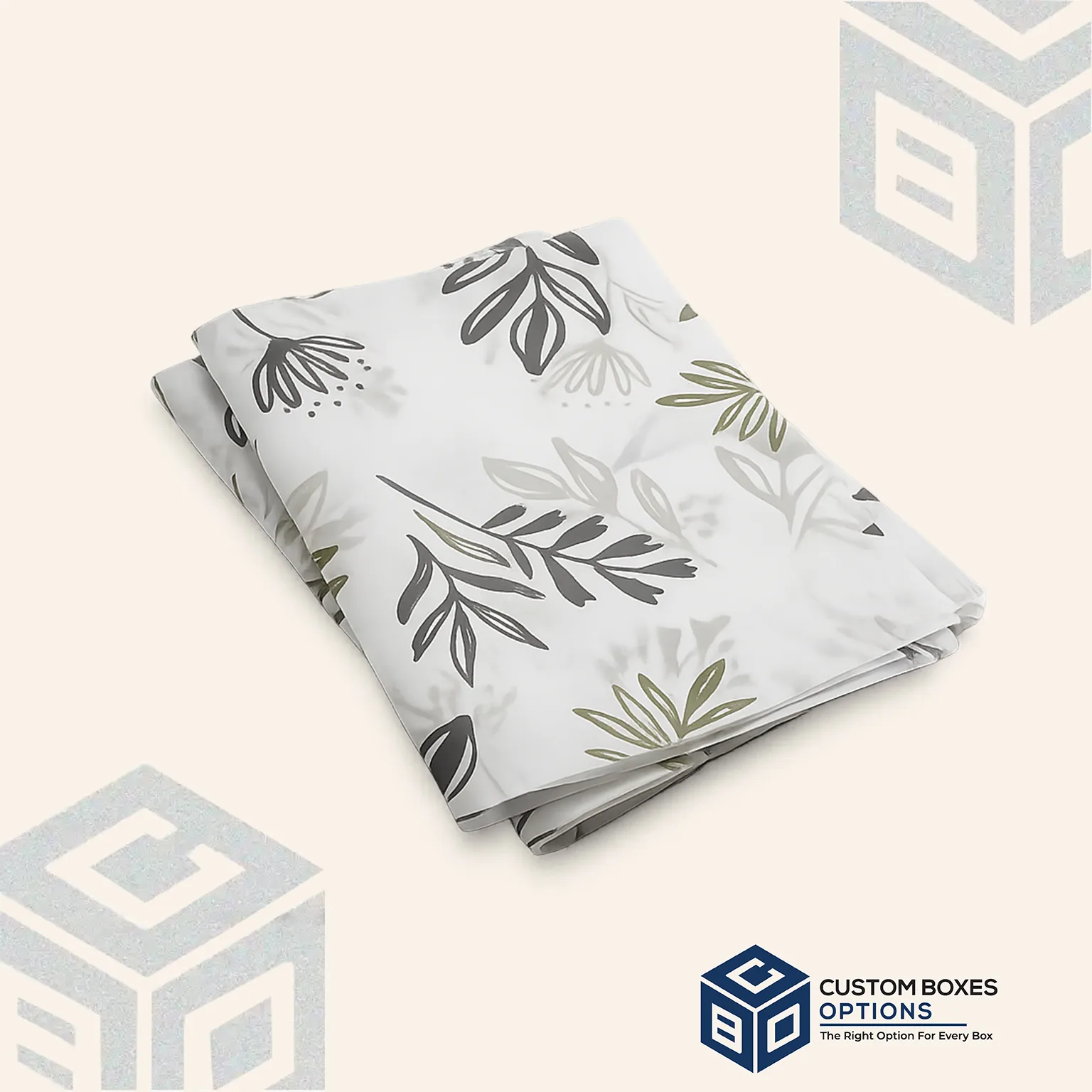
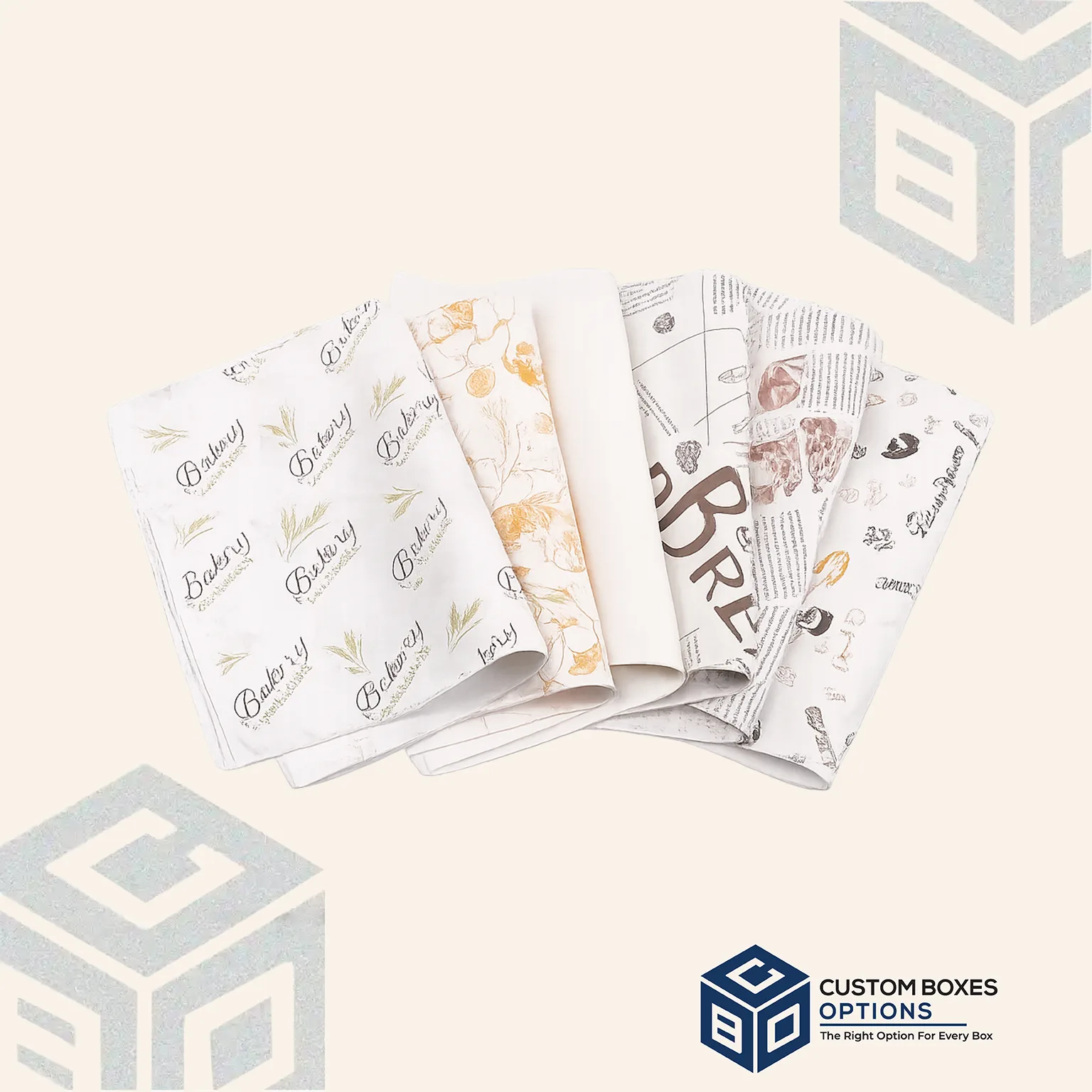
Water-based and soy-based food-safe inks are standard. On translucent stock, remember that the print reads from both sides, so it’s worth checking that your artwork works reversed.
Bakeries pair glassine with Custom Bakery Boxes so the wrap and box read together. Chocolatiers layer it inside Custom Dessert Boxes, and retail brands use it beneath Recycled Tissue Paper for a two-layer unboxing. A seal from Custom Stickers and Labels closes the wrap.
Sourcing across the sequence from one print and packaging partner keeps a single color reference across translucent, uncoated, and board surfaces, which reproduce ink very differently. Request a free quote and physical samples for your Custom Glassine Paper, and we will confirm weight and grade against your application first.

Reviews
There are no reviews yet.