
Free Shipping
14-Days Returns
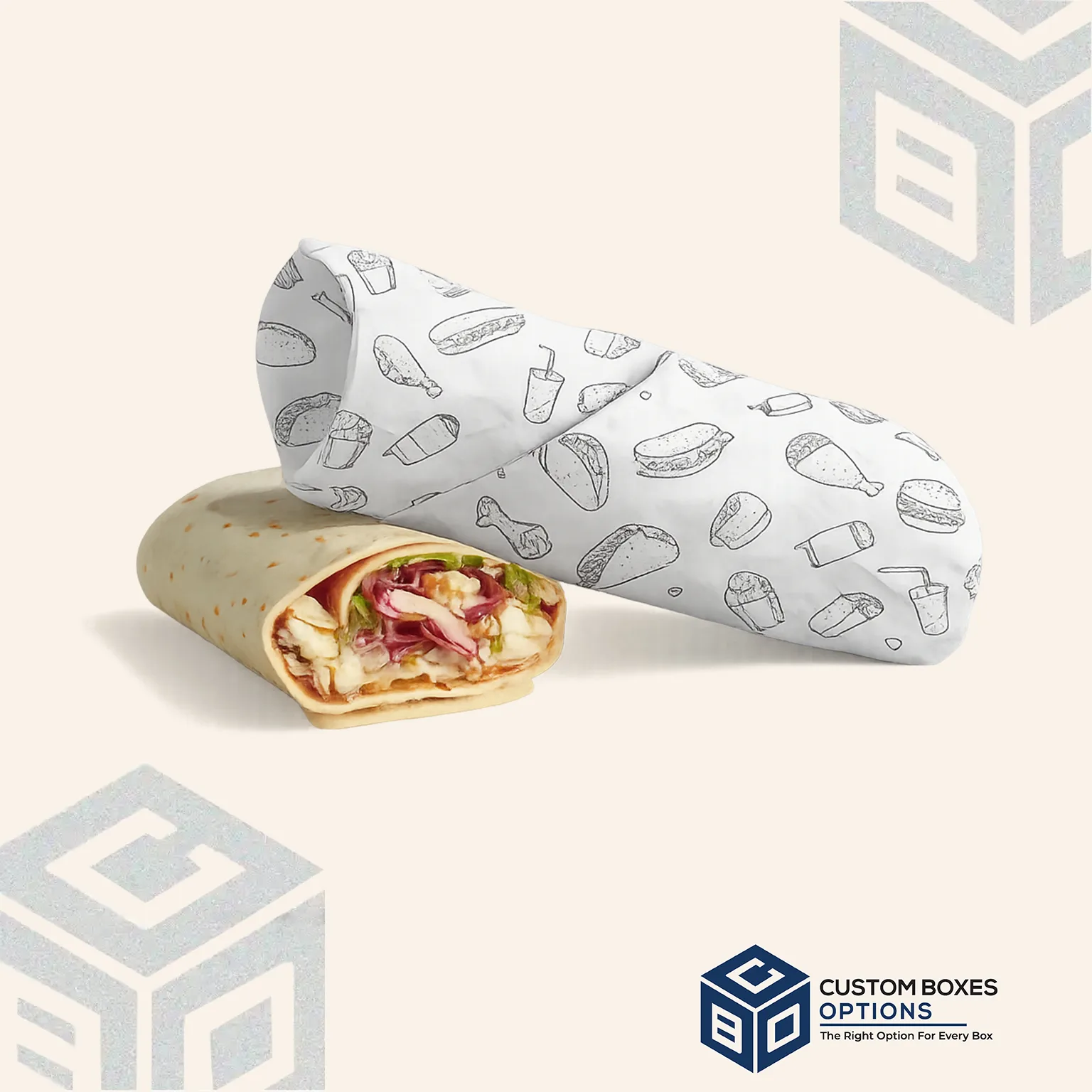
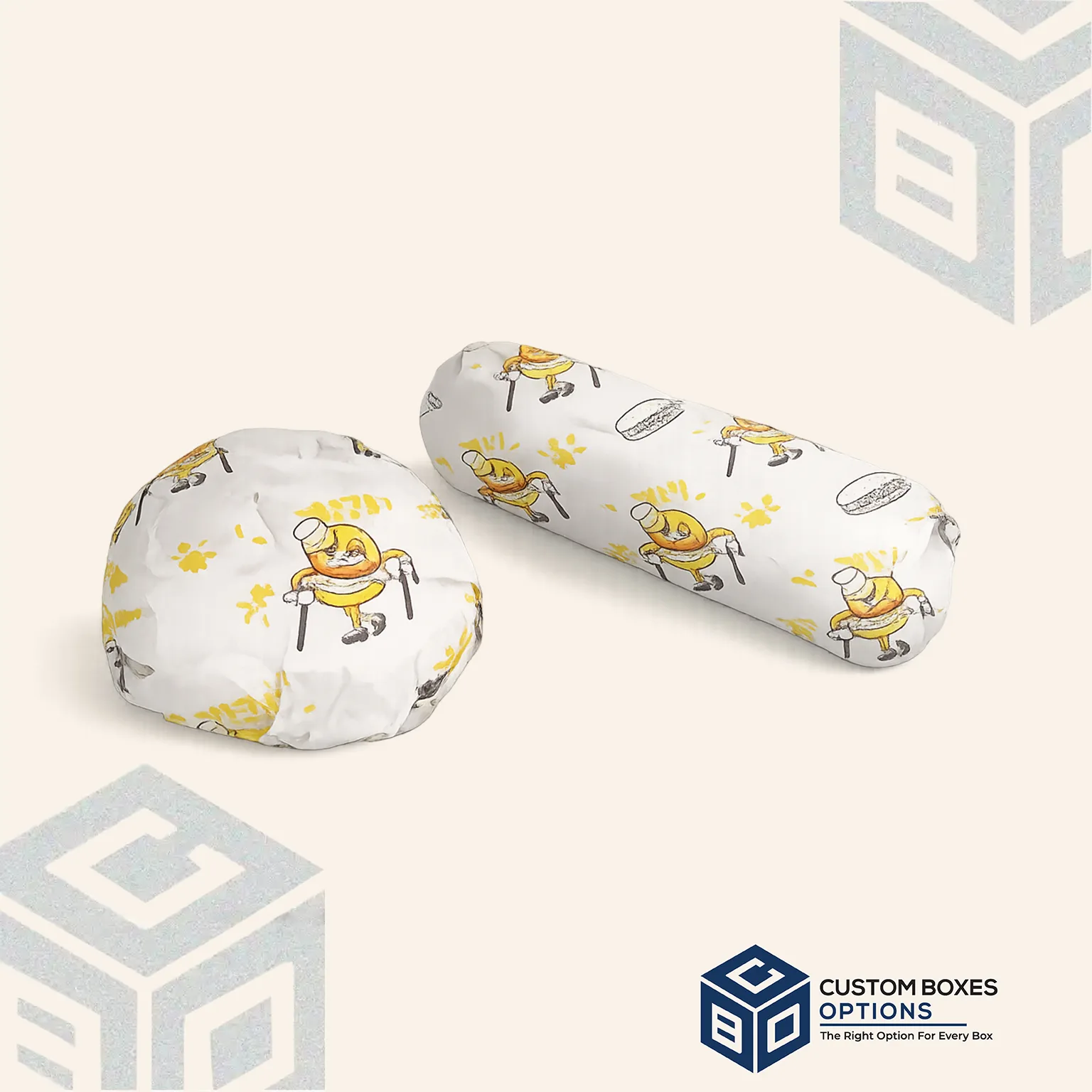
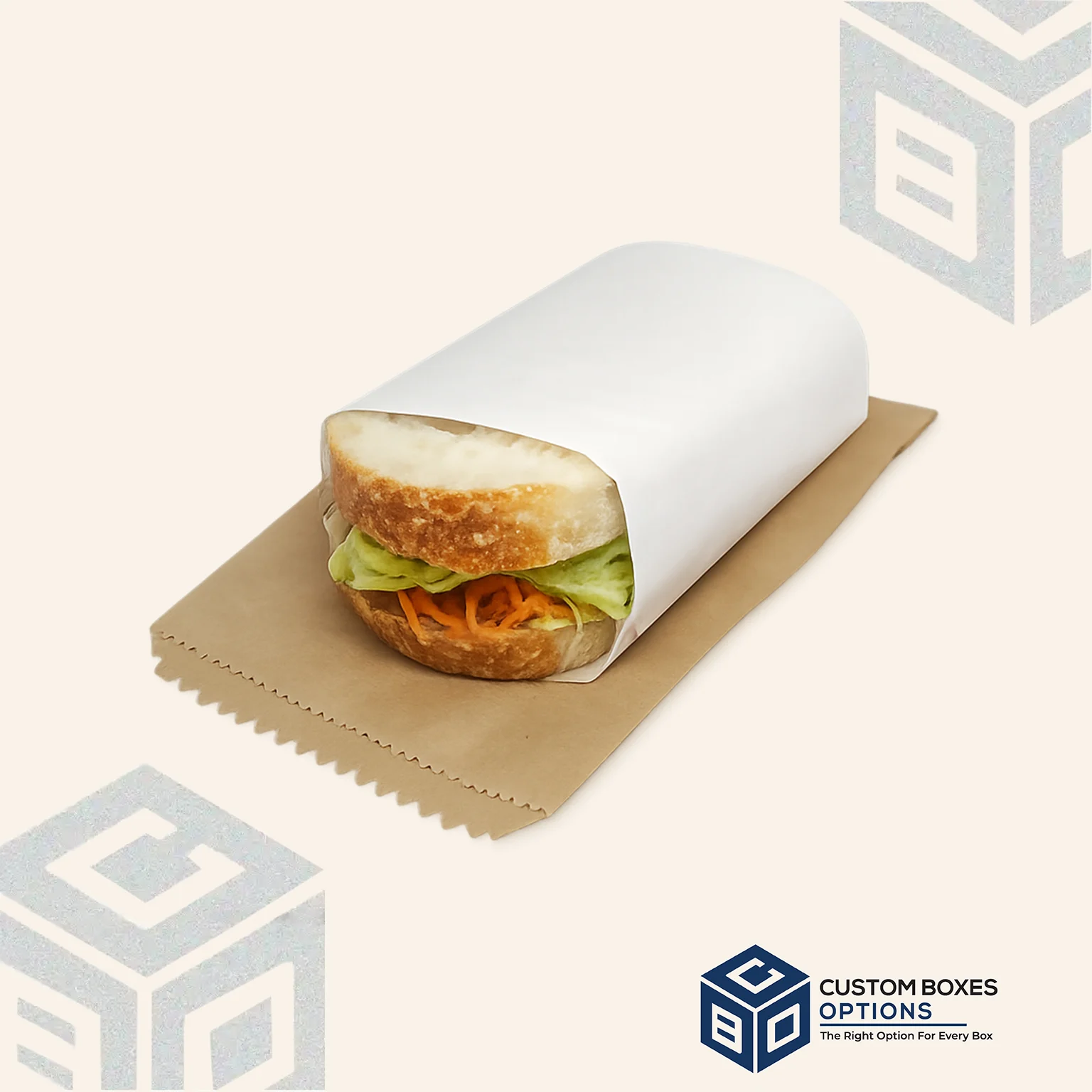
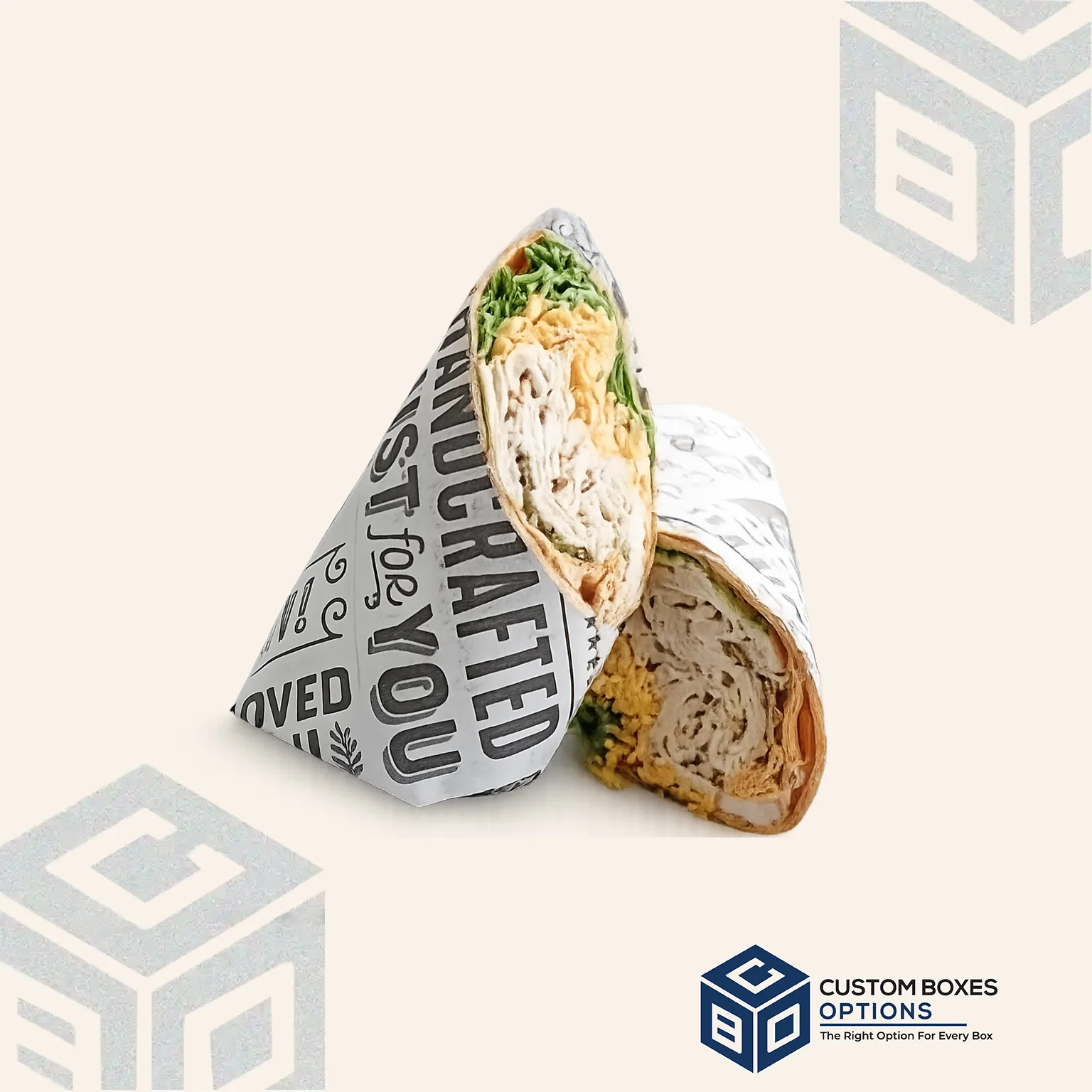
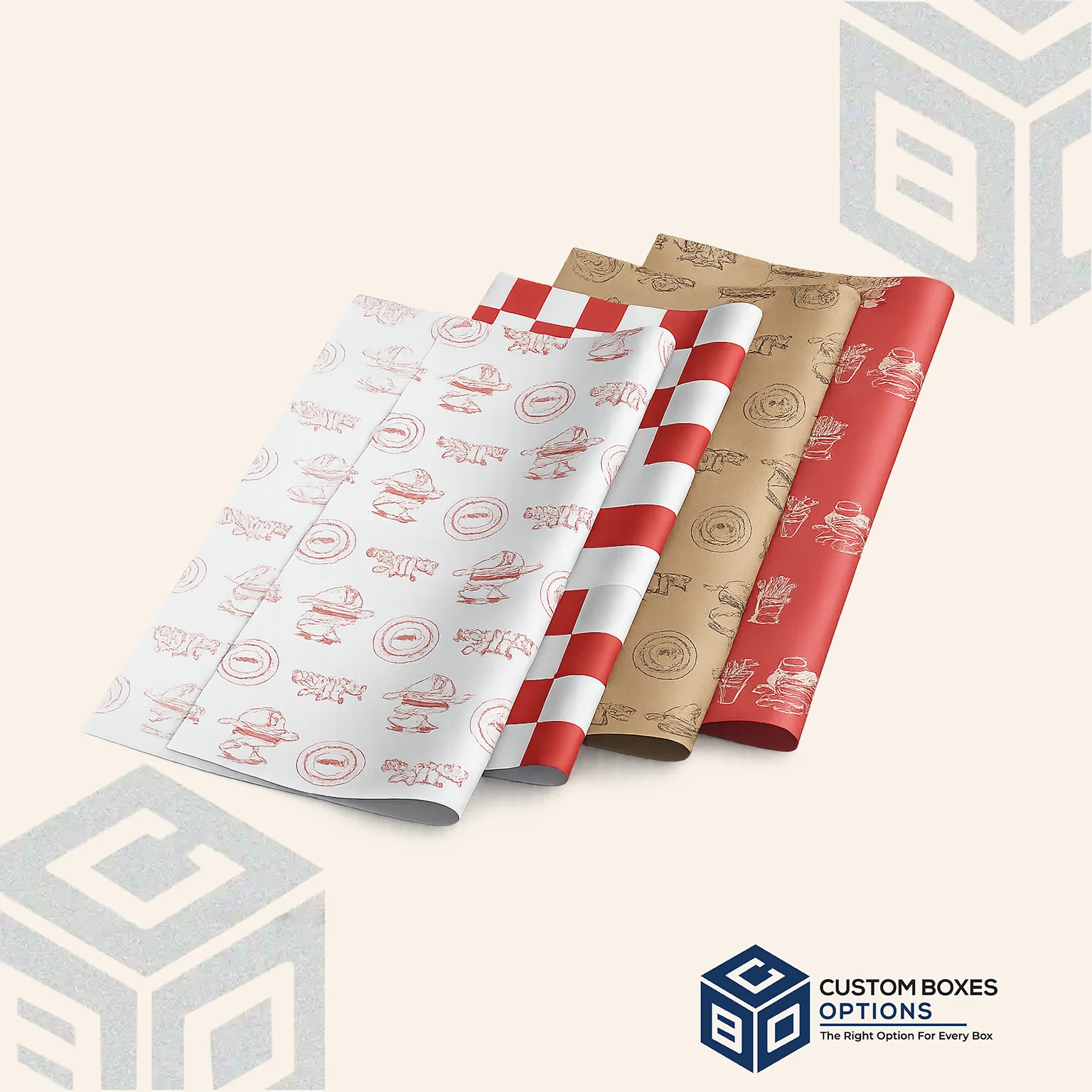
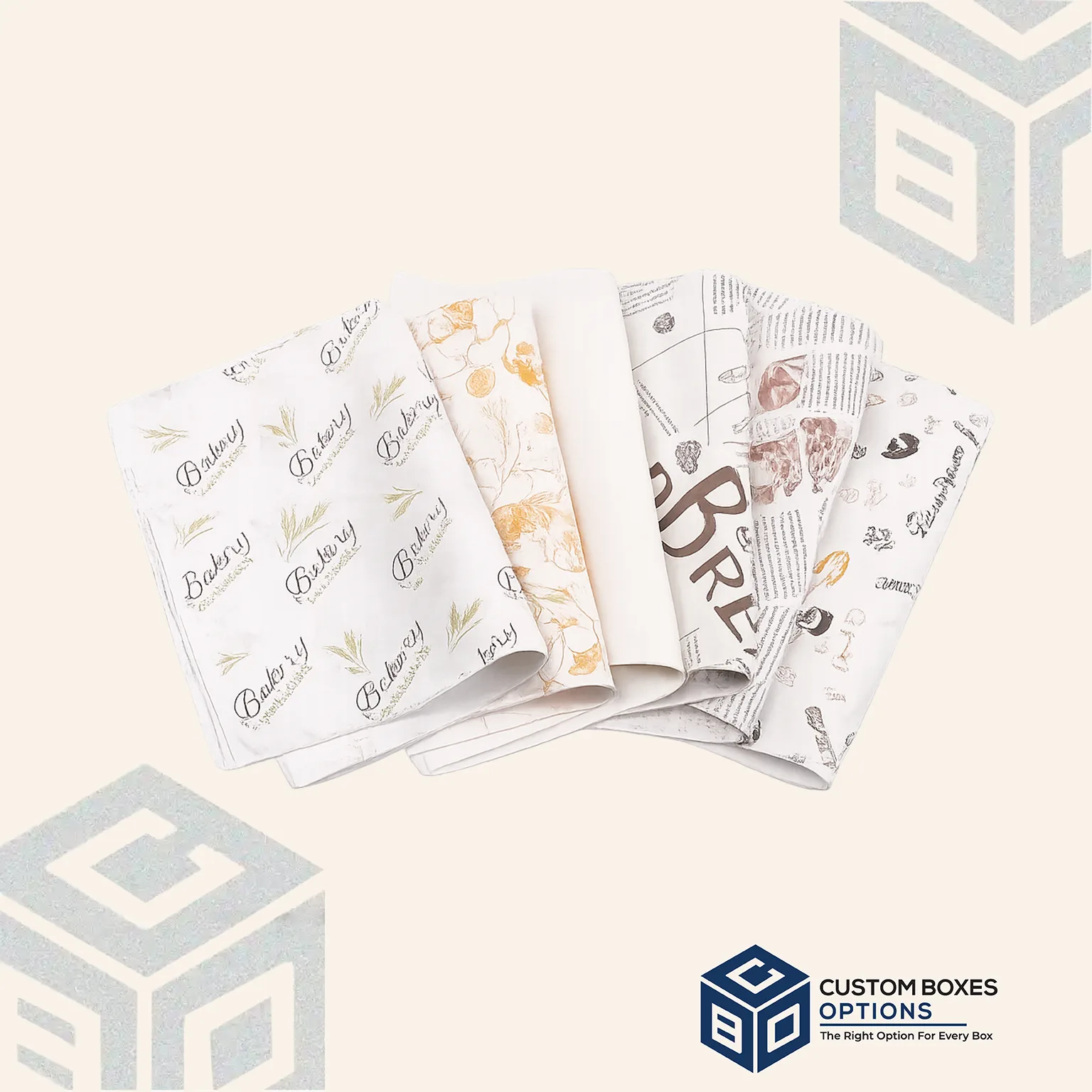
Custom Deli Paper is the highest-turnover sheet in any food operation. Staff pulls it dozens of times per order, separating slices, lining a scale, gripping a bagel, lifting a portion onto a tray. That volume is exactly why the specification runs light and the dispensing matters more than the barrier. We supply interfolded pop-up sheets, dry wax grades, and plain tissue in bleached and natural stock, printed with your counter branding. Sizing runs from small pull sheets to full tray liners. Our wholesale packaging partner team specs weight against your slicer output. Request free physical samples first.
Free Shipping
Free Design Support
Starting from:
$1.00 Original price was: $1.00.$0.50Current price is: $0.50.
In Stock
Nearly everything in our custom paper range is specified around the customer. Custom Deli Paper is specified around the person behind the counter. It is pulled constantly, used for four or five different jobs in a single order, and judged almost entirely on whether it dispenses cleanly under pressure.
That changes what a good specification looks like.
Sliced meat and cheese weld together in a stack. Cold fat, moisture, and pressure do the work, and by the time a customer opens a half-pound of prosciutto at home, it can be a single block.
A light sheet between each slice prevents that entirely. It also lets staff lift individual slices without tearing them, which matters for anything thinly cut.
This is a different problem from the one solved by our cheese wrapping paper, which manages humidity around a whole piece over days. Interleaving is a mechanical separation job measured in seconds.
The instinct with any food paper is to upgrade the weight. Deli paper is where that instinct is most clearly wrong.
Heavy stock resists the fold, does not conform around a slice, and stacks poorly in a dispenser. Light stock in roughly the 25 to 35gsm range drapes, folds, and pulls one sheet at a time without dragging the next one out.
If your sheets are coming out two and three at a time during service, the weight is usually the cause rather than the dispenser.
Most operations end up running interfolded at the slicer and flat sheets elsewhere.
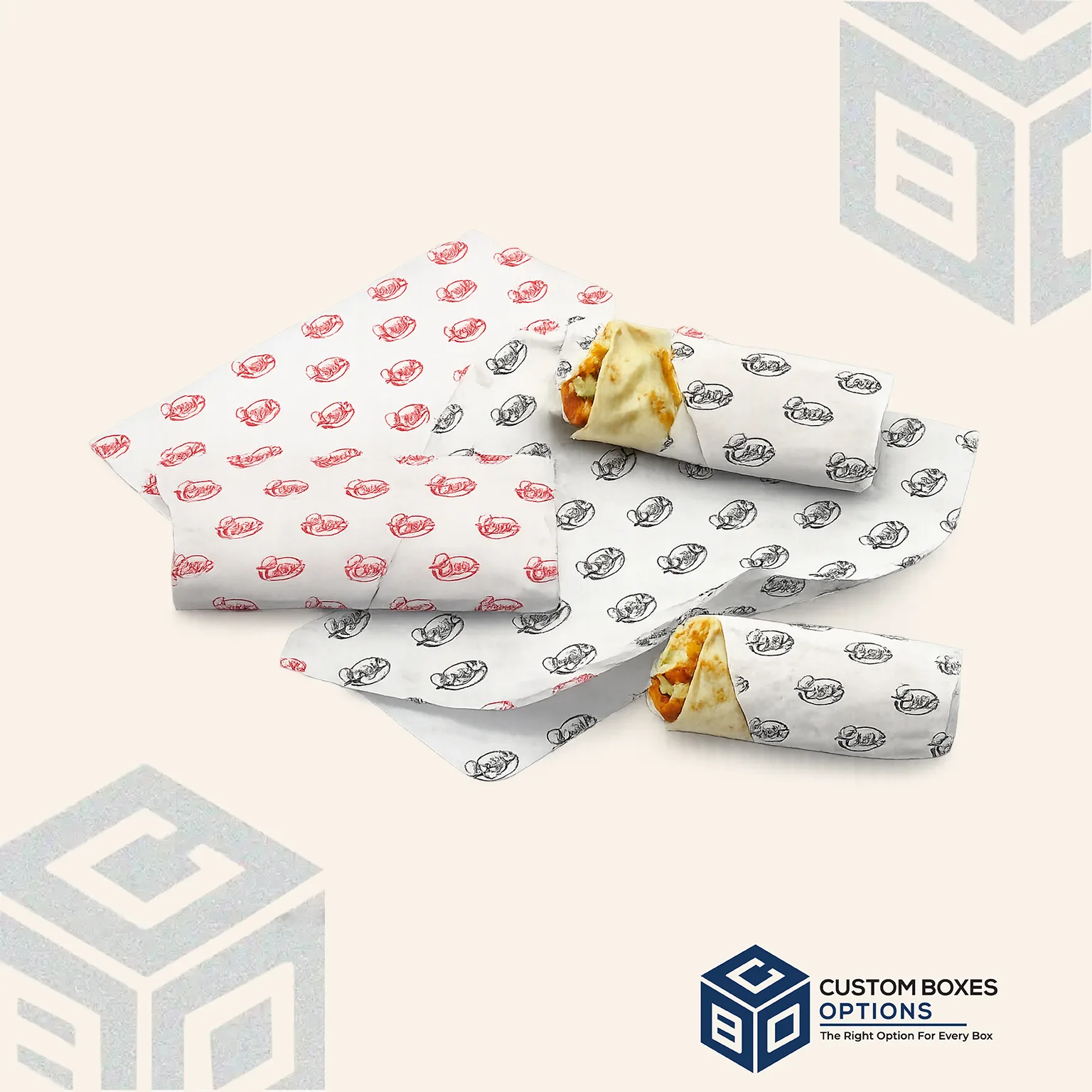
Deli sheets are routinely used as a hand barrier, gripping a bagel, lifting a pastry, and handing over a roll without direct contact.
That is a legitimate food-safety practice, and it means the sheet needs to be genuinely food-contact compliant rather than merely food-adjacent. Compliance requirements across our grades are set out on the food-grade paper page, and every deli sheet we supply meets them.
Dry wax deli paper carries wax within the fiber, giving light grease resistance and better release without transferring residue onto food. It is the standard for oily cured meats.
Plain deli tissue skips the wax entirely, costs less, and suits dry goods, baked items, and hand-barrier use.
Neither is a heavy grease barrier. For fried output, the silicone-treated greaseproof grade carries the barrier deli paper deliberately does not.
These two overlap and are often bought together, but they are built for different moments.
Deli paper is a preparation material, handled by staff, used, and discarded during assembly. The customer-facing sandwich wrap is built around fold retention and hand feel because it stays with the customer through the meal.
Plenty of counters stock both. Asking which job a sheet is doing is the fastest way to know which to order.
Deli paper gets seen constantly, in flashes rather than at length, which favors a simple repeating mark over a detailed centered logo.
Printing on natural stock with a single bold color reproduces well and costs less than full CMYK, and it holds up better against light grease than fine multi-color linework. Where a counter also boxes items, carrying the same mark onto printed bakery packaging keeps the prep sheet and the takeaway box visually connected.
Working with one custom packaging manufacturer across paper and board keeps that color reference consistent between a lightweight uncoated sheet and a printed carton.
Request a free quote and physical samples for your Custom Deli Paper, and we will confirm weight and dispensing format against your counter volume first.

Reviews
There are no reviews yet.