
Free Shipping
14-Days Returns
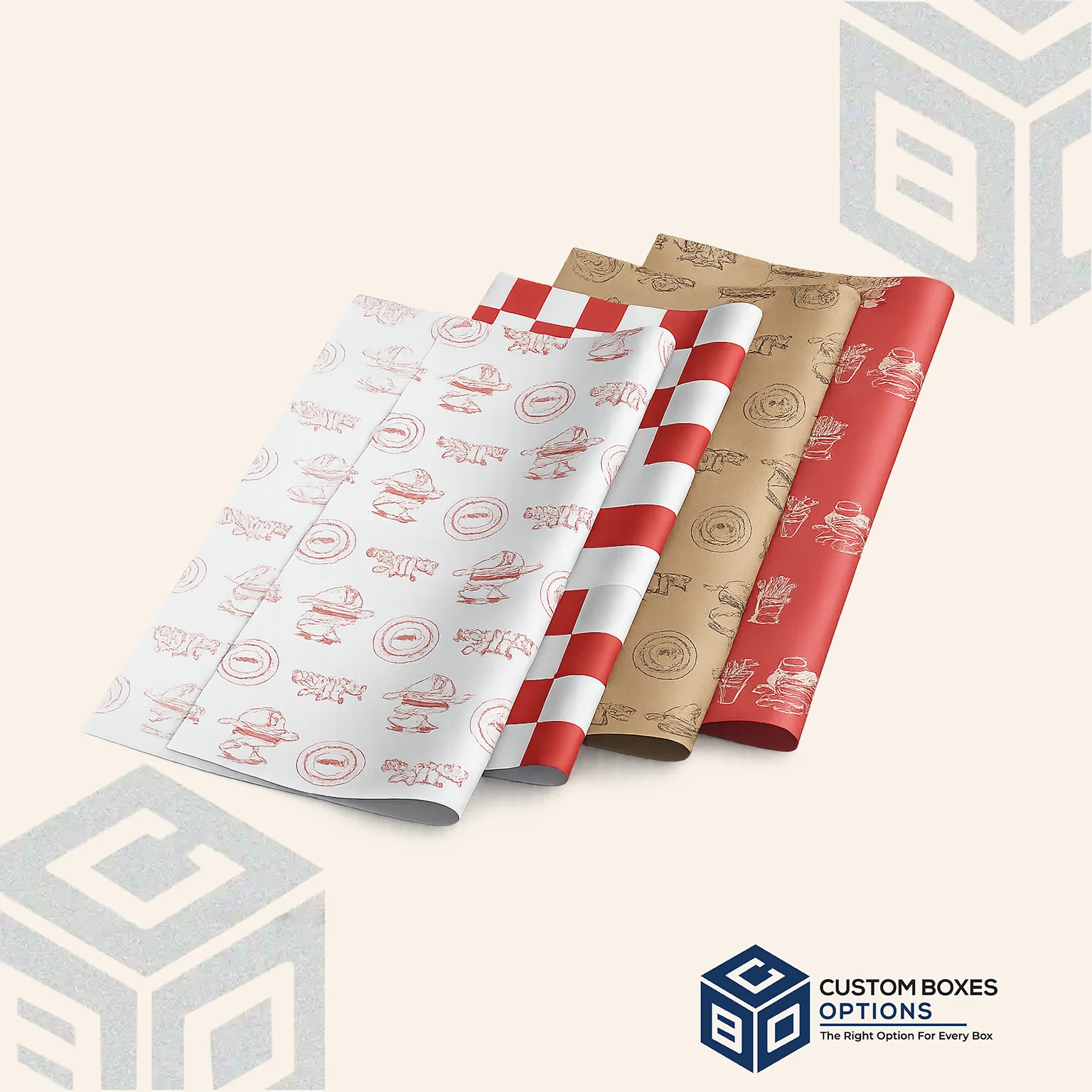

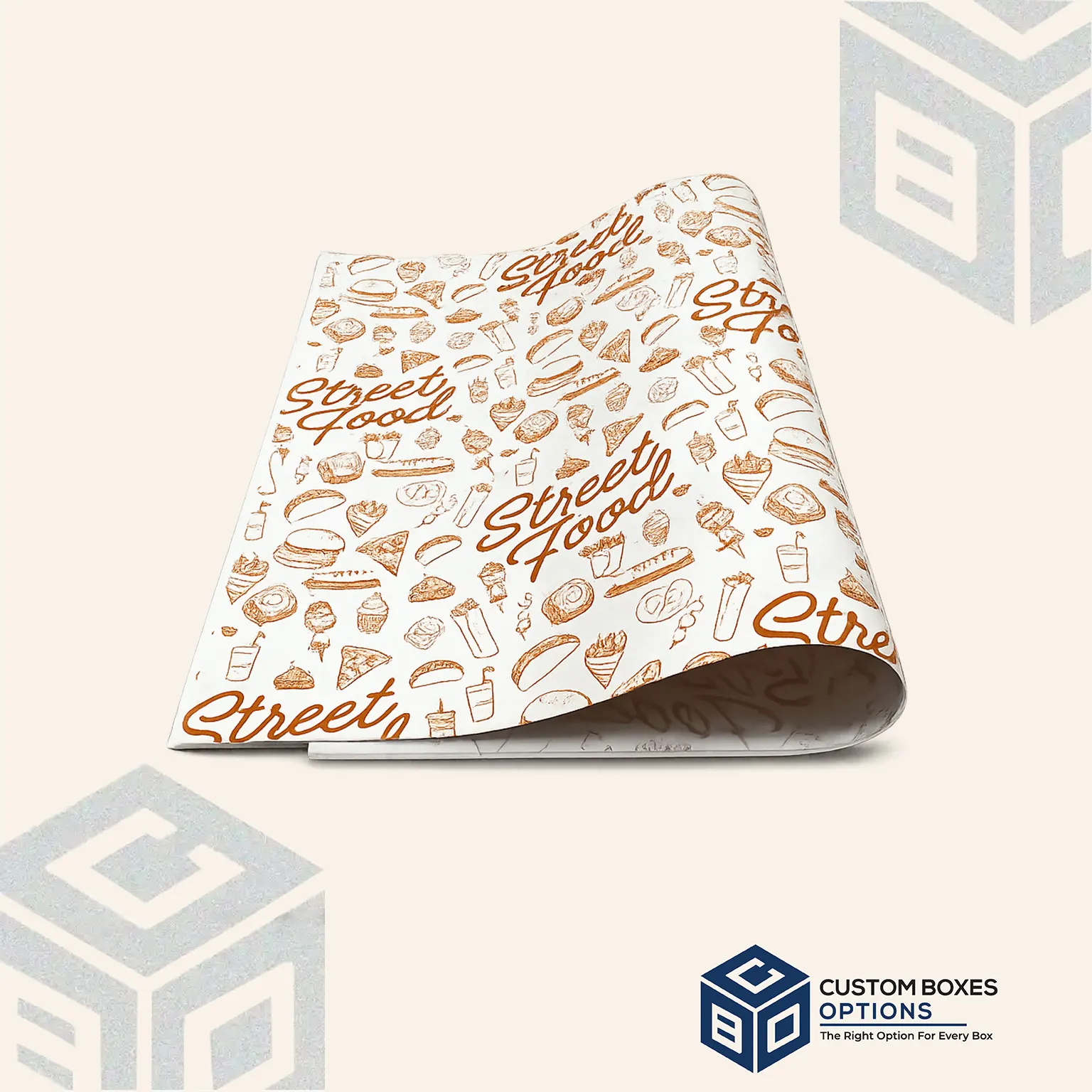
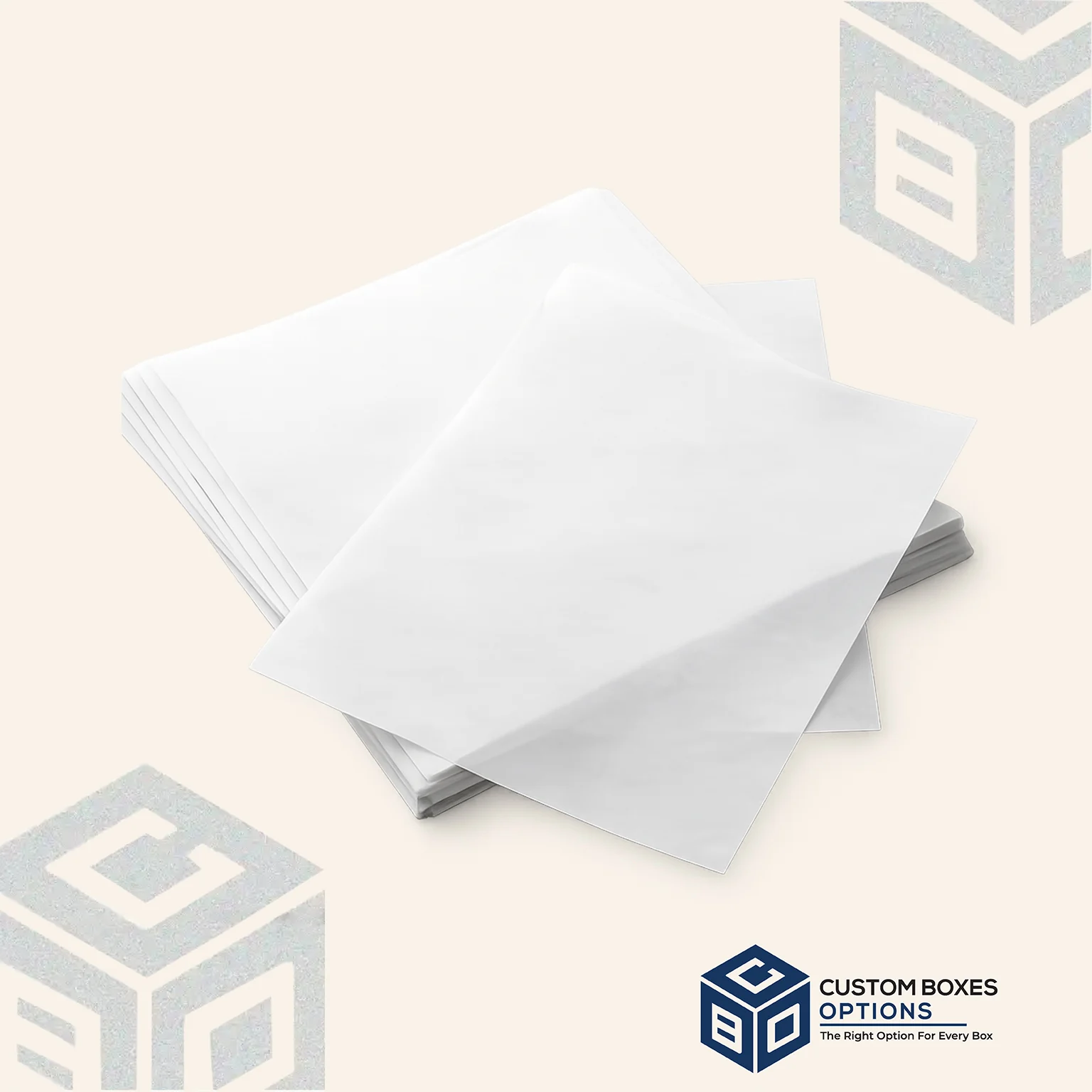
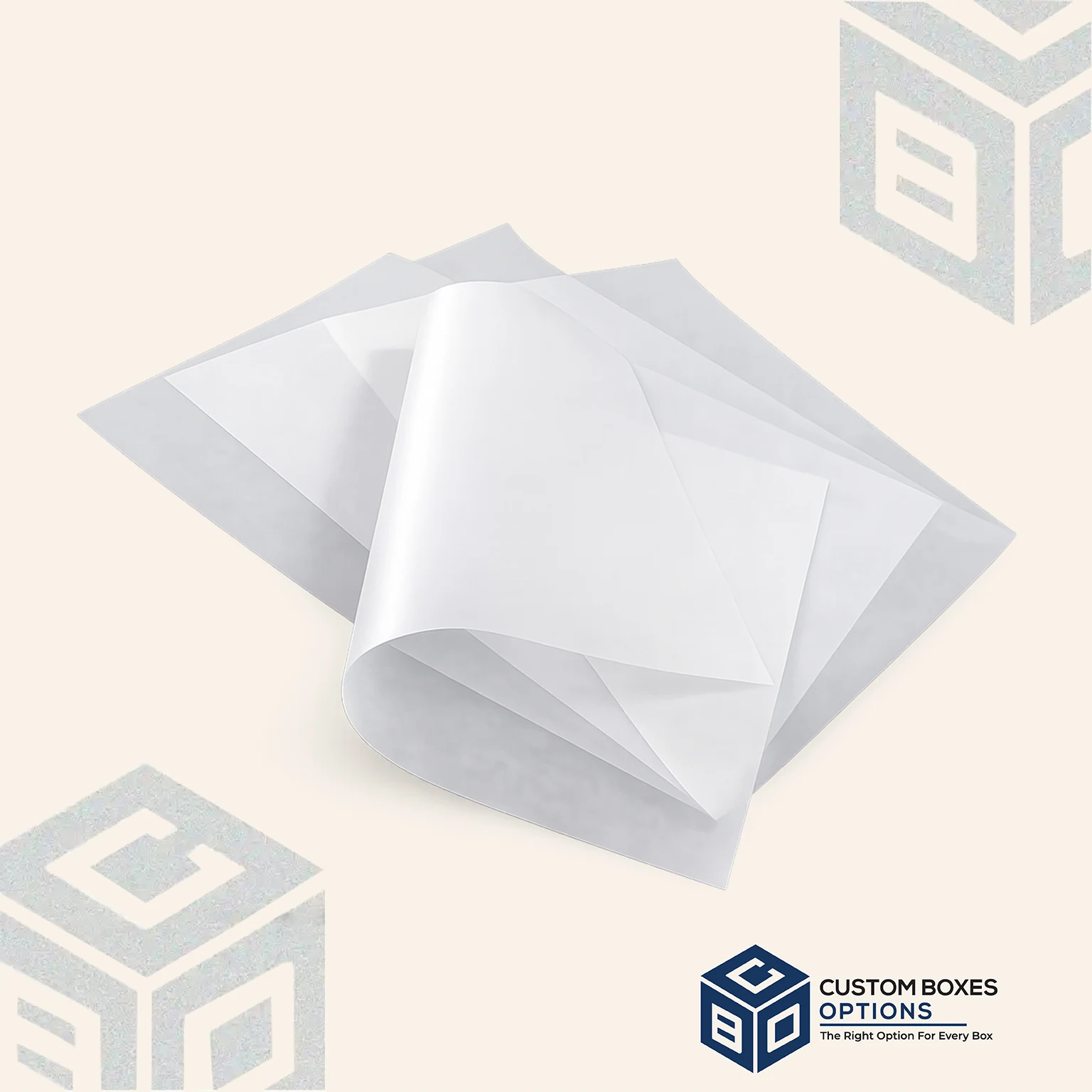
Custom Hot Paper manages a conflict no other wrap has to solve. Hot food needs insulation to stay warm and ventilation to stay crisp, and those two requirements pull against each other. A foil layer reflects heat back into the food while the paper face absorbs escaping moisture, which is why laminated construction outperforms plain sheets on anything leaving a grill or fryer. We supply insulated wrap in plain and micro-perforated grades, printed with your branding on the paper side. Our wholesale packaging supplier team matches the ventilation level to your menu. Request free physical samples before ordering.
Free Shipping
Free Design Support
Starting from:
$1.00 Original price was: $1.00.$0.50Current price is: $0.50.
In Stock
Nothing else in our branded paper products range is used to manage temperature. Greaseproof handles oil, butcher paper handles airflow, and freezer paper handles moisture loss. Custom Hot Paper handles heat retention, and it has to do that without ruining the texture in the process. Wrap a hot burger tightly in ordinary paper, and you have twenty minutes before the bun goes soft. Leave it loose, and it is cold in ten. Hot Paper exists to widen that window, and the way it does so has more to do with physics than with paper quality.
Heat leaves hot food through radiation and convection. Moisture leaves as steam. A wrap that stops one usually stops the other, and that is the whole problem.
Seal the package fully, and steam has nowhere to go, so it condenses back onto the food. A crisp fried coating goes limp, a toasted bun turns damp. Vent it generously, and the heat escapes with the steam.
The workable answer is a wrap that reflects heat inward while letting moisture pass outward, which is exactly what a laminated construction does, and why operations serving hot handhelds alongside Custom Burger Boxes get noticeably better hold times after switching from plain sheets.
The foil face goes against the food. Aluminum reflects radiant heat back toward the product rather than absorbing and shedding it. It also contributes a grease and moisture barrier, so oil does not reach the outer surface.
The paper face goes outward. It absorbs moisture escaping through the seams, which keeps the package from sweating in a customer’s hand, and it takes print in a way foil alone cannot.
This is the same laminated principle behind Custom Butter Paper, though the goal there is blocking light rather than retaining heat.
Micro-perforated grades carry tiny holes across the sheet that release steam while keeping most of the heat inside.
Whether you want them depends entirely on texture. Anything fried or toasted benefits from a wrap-around portion from Emily Chicken Boxes, or a batch heading out with Custom Fish And Chips Boxes stays crisp considerably longer with perforation. Soft items lose the moisture they need, so a sauced or steamed build is better served by a plain laminate.
Tell us your menu split, and we will spec accordingly rather than sending one grade for everything.
Material only performs if the fold cooperates. A tight, fully enclosed wrap maximizes heat retention and is right for items traveling in a delivery bag.
A partial wrap with open ends releases more steam and suits counter service where the customer eats within a few minutes. Breakfast counters running Custom Toast Boxes alongside handheld items typically use the open-end method, since those products suffer fastest from trapped moisture.
Worth training staff on, because the same sheet performs very differently depending on how it is folded.
The foil layer means these sheets cannot go in a microwave. Customers reheating leftovers need to unwrap first, and it is worth printing that instruction on the sheet if reheating is common for your menu.
For items that will be reheated in packaging, a plain paperboard format from the Custom Design Kraft Food Boxes range is the safer route.
Hot paper is the insulation specialist. Custom Greaseproof Paper handles oil without addressing temperature. Custom Fry Paper covers basket liners and cone formats; cold handheld wraps use Custom Sandwich Paper, and the food-contact compliance framework across all grades sits under Custom Food Paper.
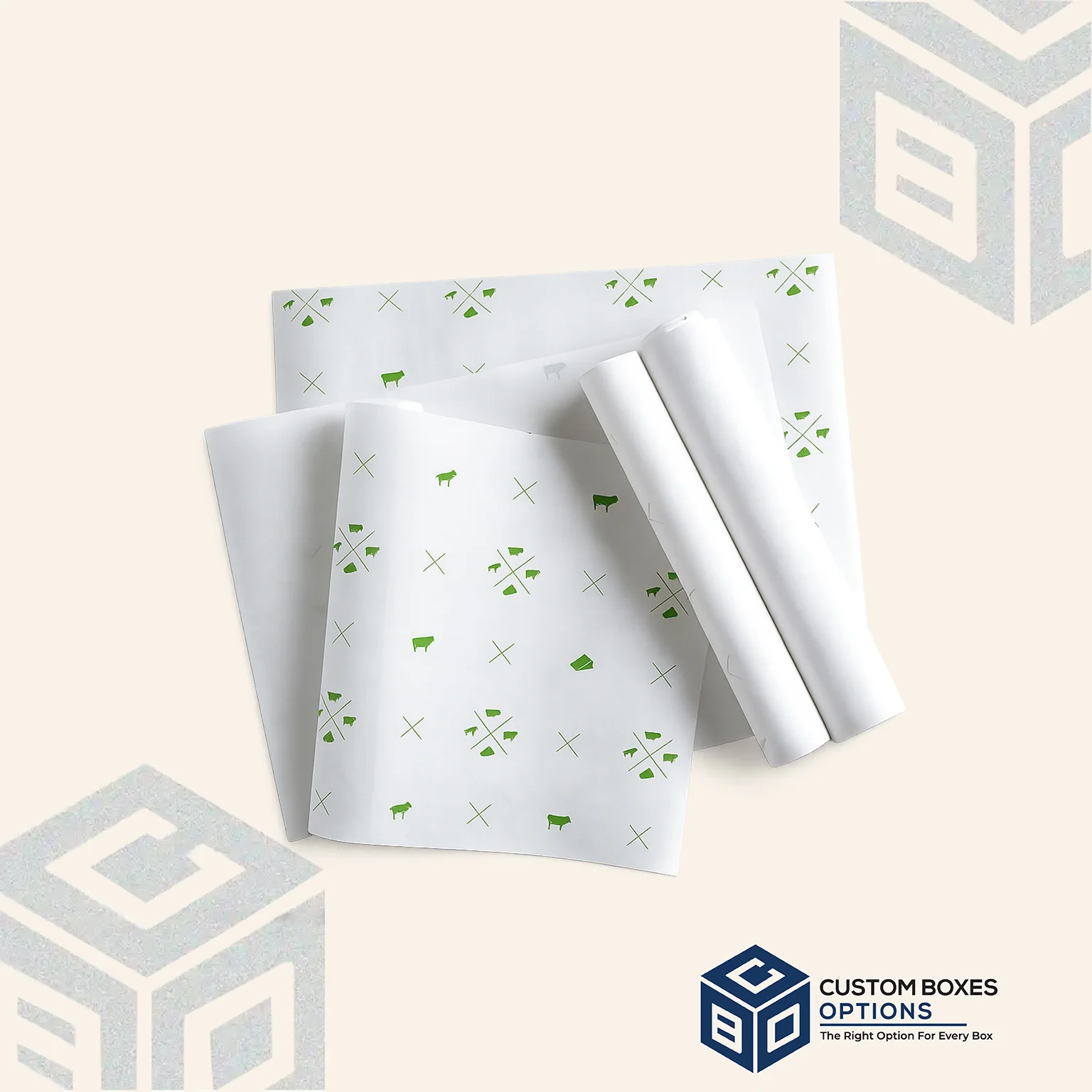
Standard sheets run roughly 10.5″ × 14″ for burgers and compact handhelds, up to 14″ × 16″ for burritos, wraps, and loaded builds. Oversizing wastes material; undersizing leaves ends exposed and defeats the insulation. Print goes on the paper face only. Because the sheet gets folded and crushed in the hand, a repeating pattern outperforms a centered logo, the same approach that works for portions served with Happy Meal Boxes, where the wrap gets handled far more than it gets looked at.
Sourcing wrap and board together from one custom box printing company keeps a single color reference across foil-backed paper and printed carton, which reproduce ink very differently. Request a free quote and physical samples for your Custom Hot Paper, and we will confirm the ventilation grade against your menu first.
Reviews
There are no reviews yet.