
Free Shipping
14-Days Returns
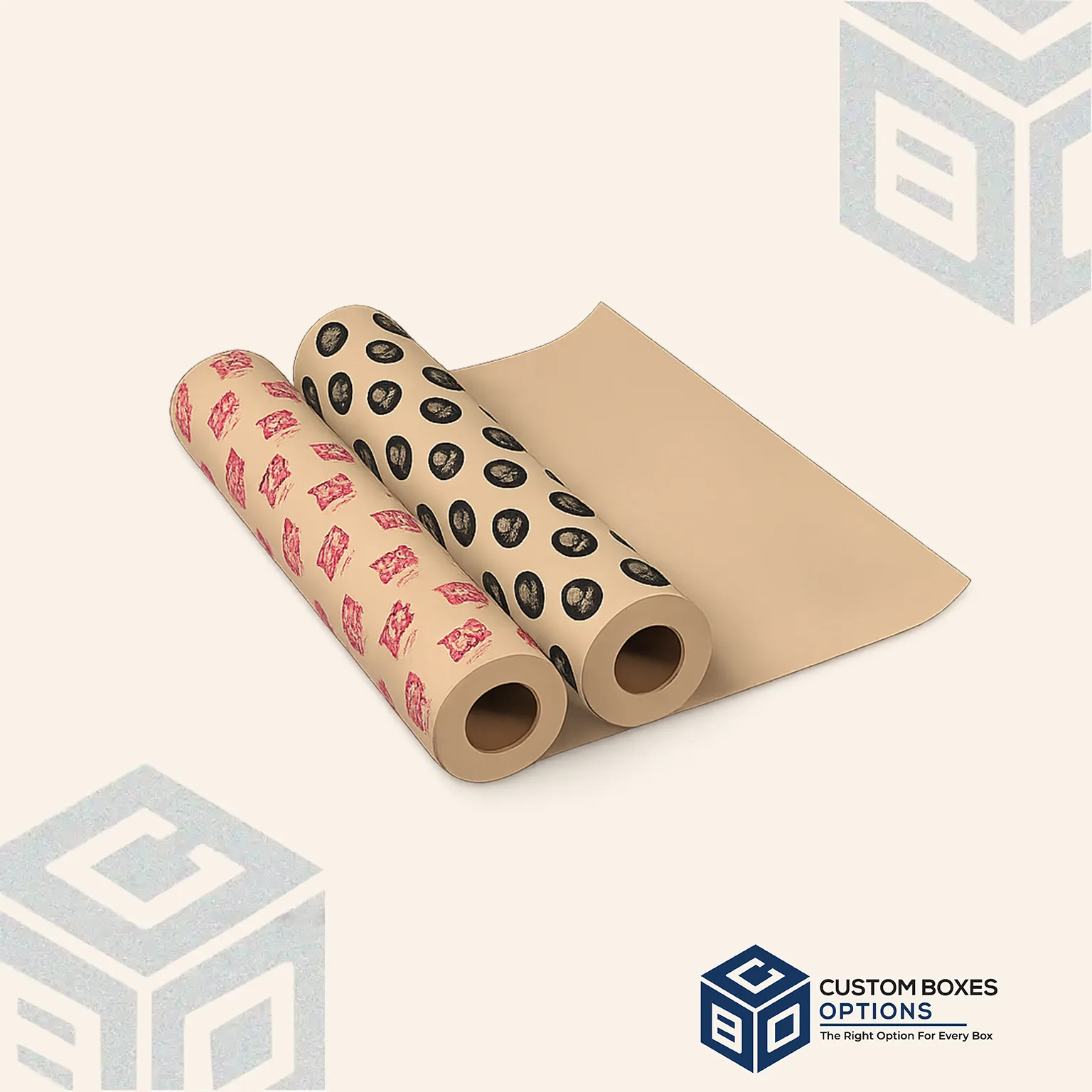
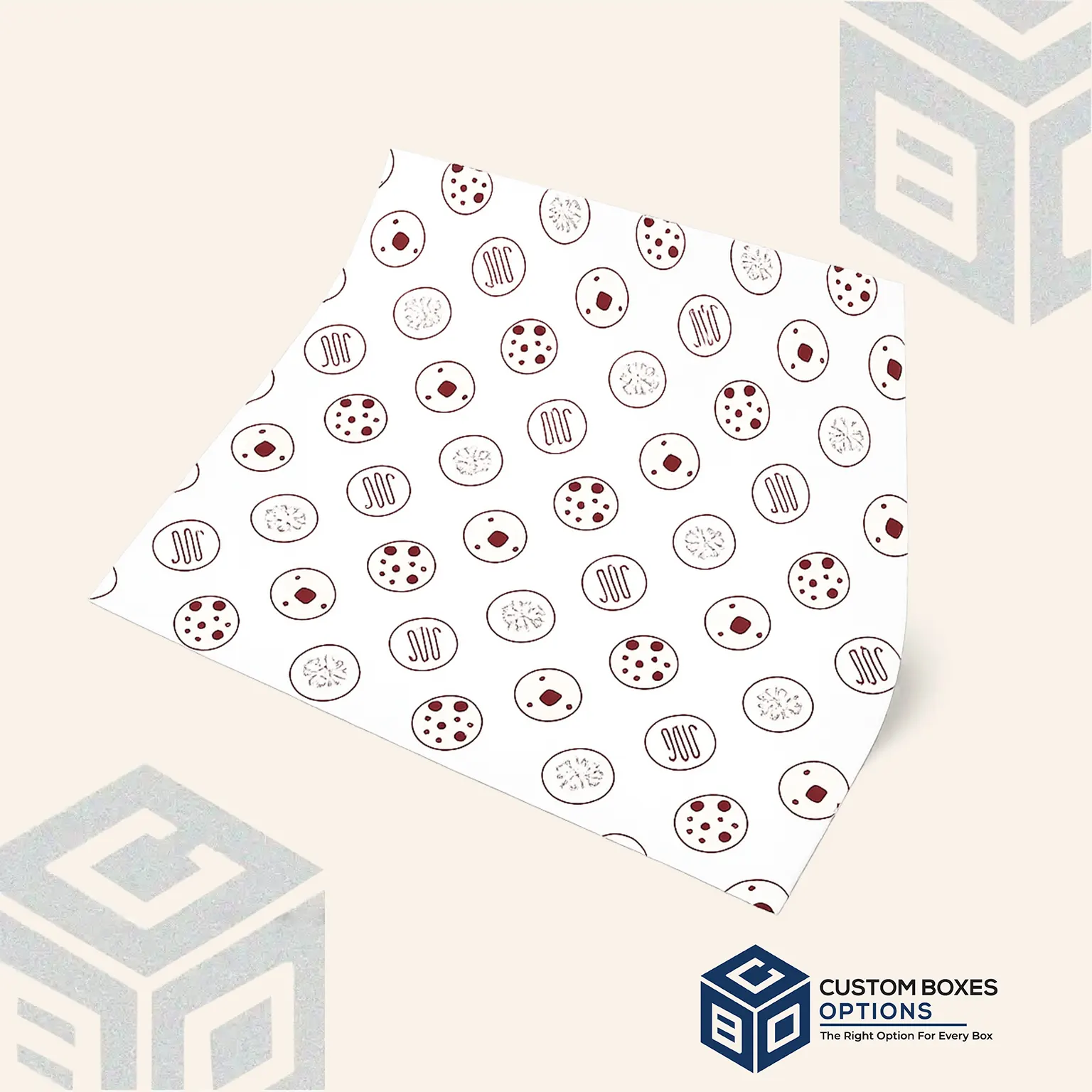
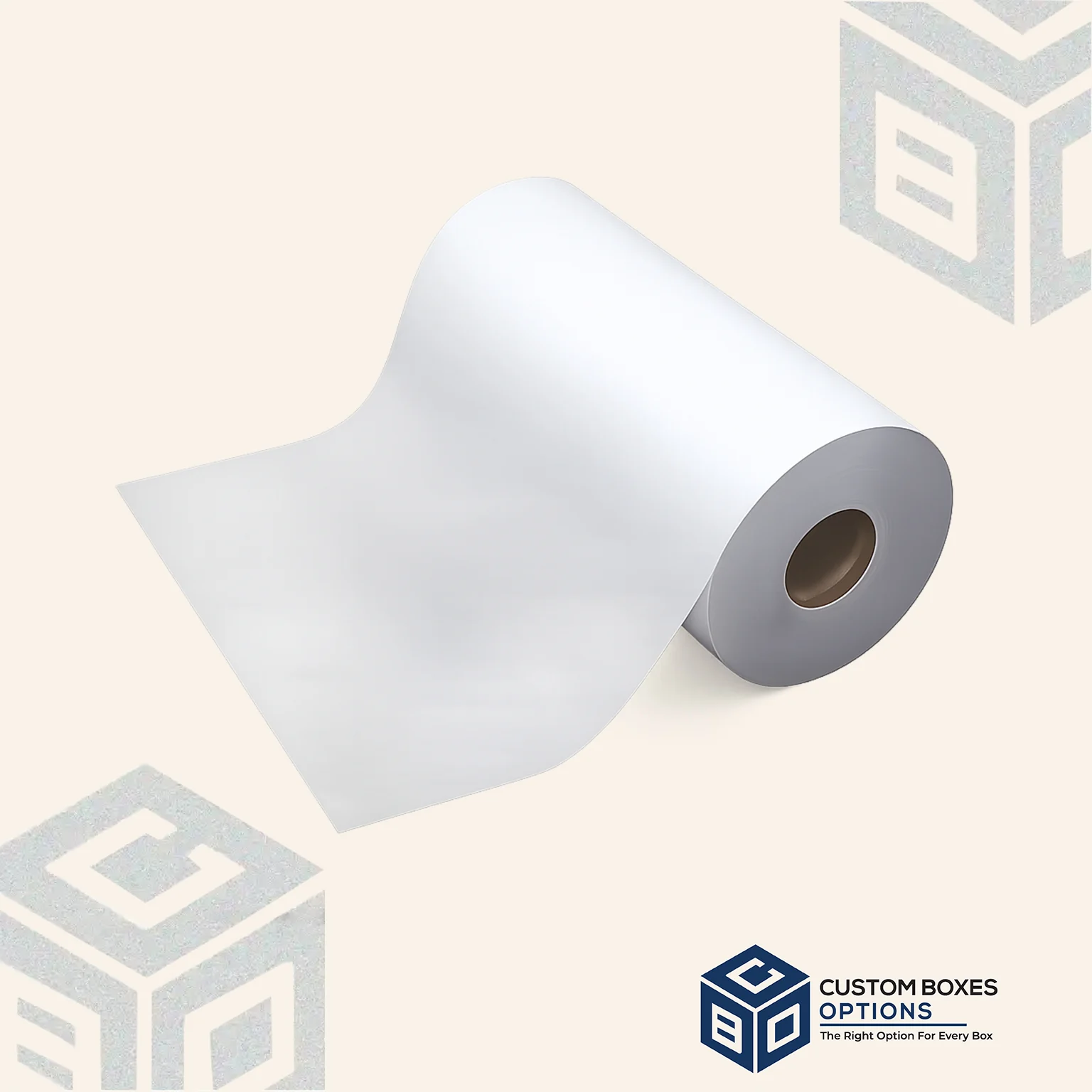
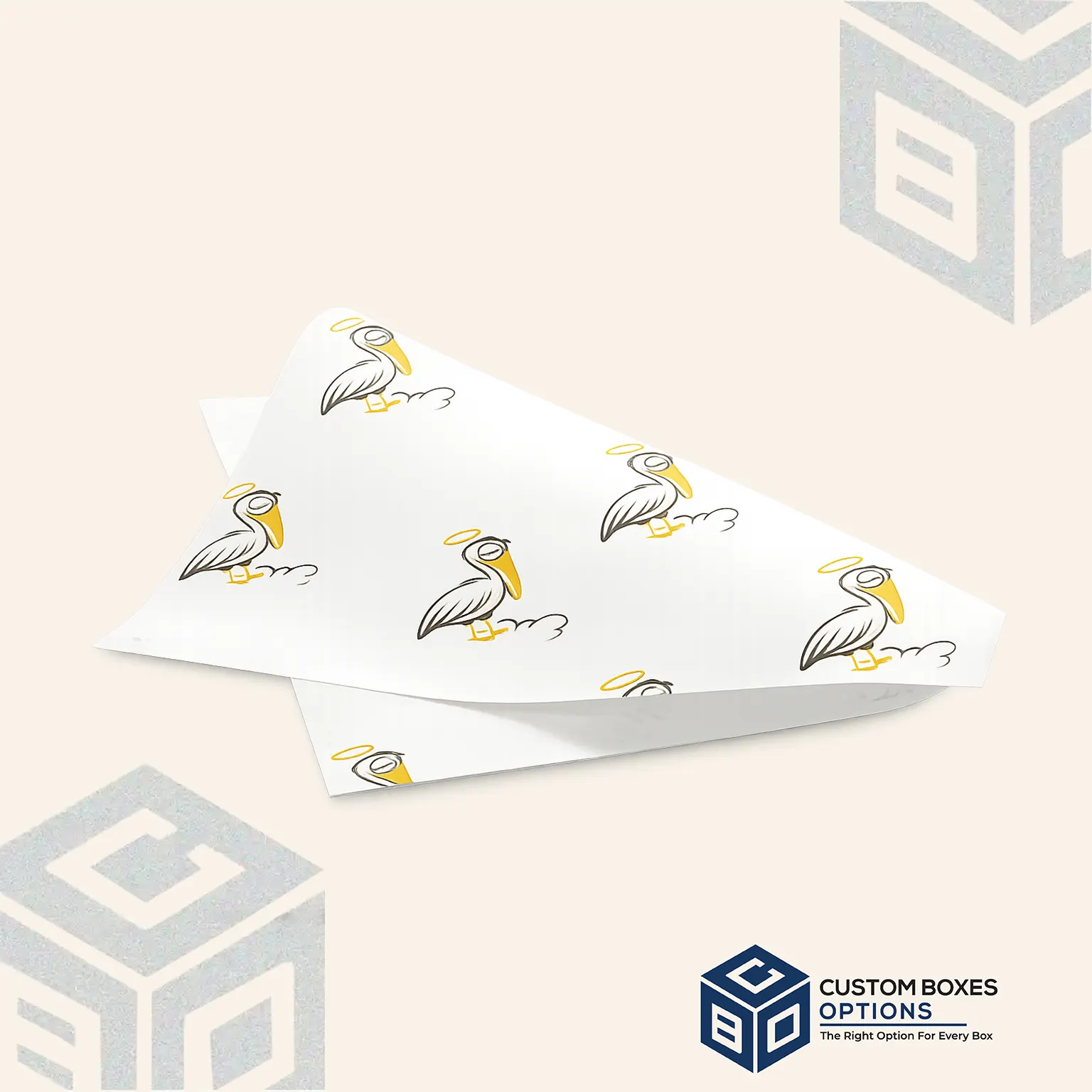
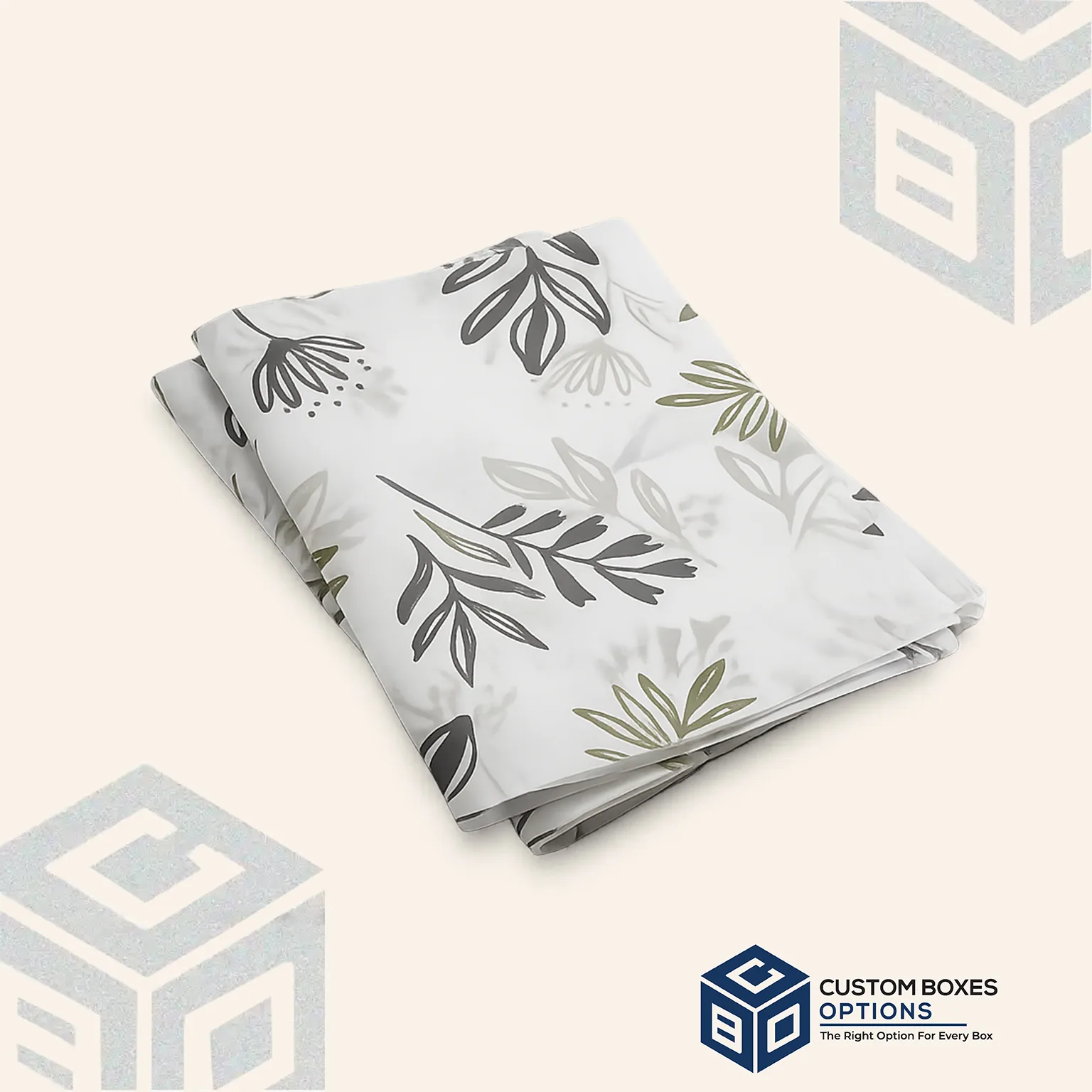
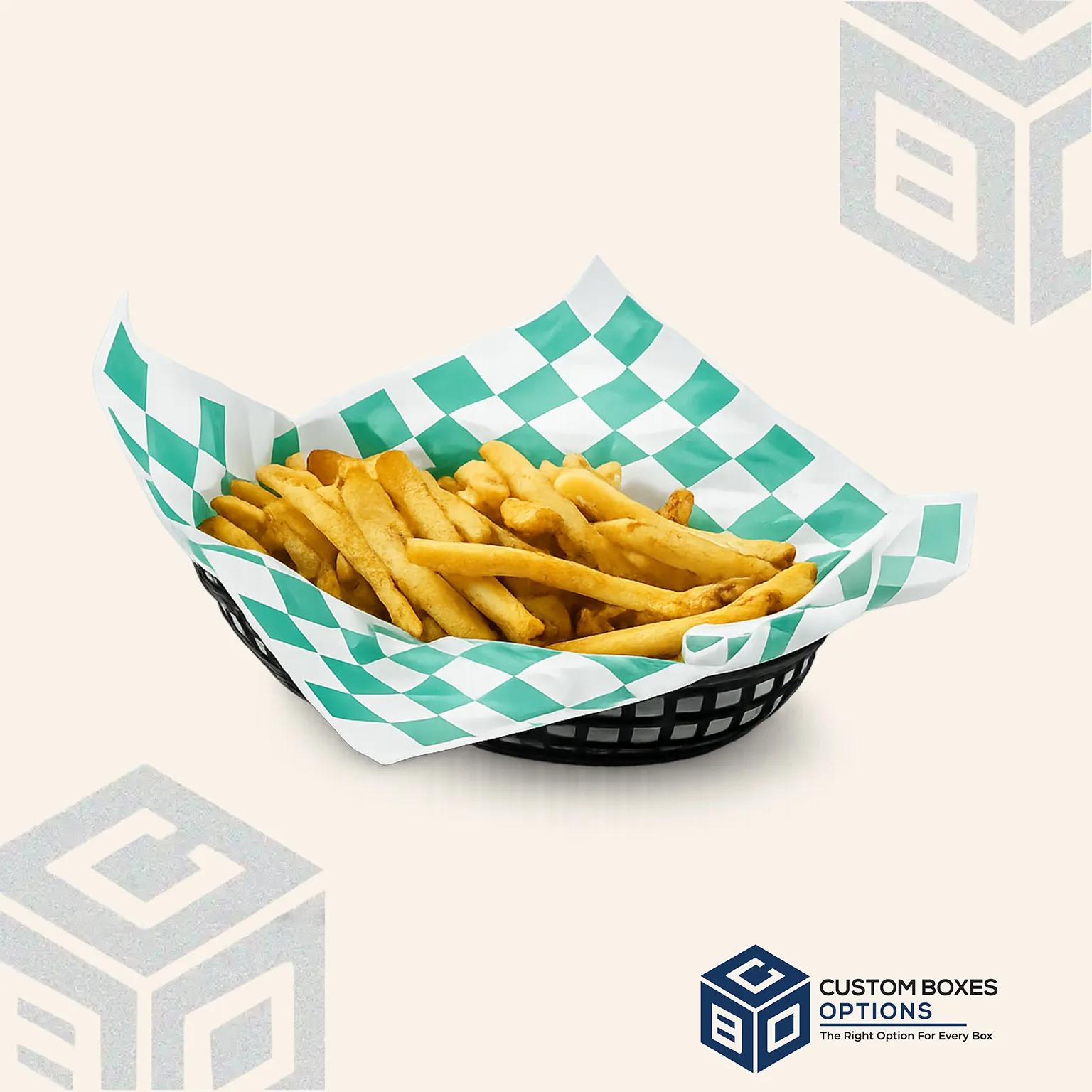
Custom Wax Paper comes in two versions that behave nothing alike, and choosing the wrong one is the most common ordering error in this category. Dry wax carries wax inside the fiber, leaving a matte, non-transferring surface built for warm contact. Wet wax carries it on the surface, giving high gloss and a stronger moisture barrier but softening under heat. We supply both in sheets, rolls, and pre-cut liners, printed with your branding in food-safe inks. Our wholesale box manufacturer team specs by contact temperature rather than by look. Request free physical samples before your first production run.
Free Shipping
Free Design Support
Starting from:
$1.00 Original price was: $1.00.$0.50Current price is: $0.50.
In Stock
Most grades in our food-grade paper options are a single specification. Custom Wax Paper is not. Dry wax and wet wax are manufactured differently, perform differently, and fail differently, and suppliers routinely quote one when a buyer means the other. Sorting that out is most of what this page does.
Dry wax paper is saturated during manufacture, so the wax sits within the sheet rather than on it. The surface stays matte and dry to the touch, and critically, it does not transfer wax onto whatever it contacts.
That property is why dry wax is the standard liner under hot food. A sheet beneath a pizza in Custom Pizza Boxes takes direct heat without depositing residue on the base, and the same logic applies to warm items packed in Custom Digital Printed Food Grade Boxes.
Dry wax also stacks and separates cleanly, which matters on a line where staff are pulling sheets one at a time during a rush.
Wet wax carries a coating applied after the sheet is formed, producing a noticeably glossy face and a stronger moisture barrier than dry wax delivers.
The trade-off is heat. Surface wax softens and transfers when it meets anything warm, so wet wax belongs in cool and ambient applications. It performs well wrapping cold confectionery, where the gloss also does real merchandising work. Chocolatiers packing Custom Chocolate Boxes frequently use wet wax as an inner wrap for exactly that reason.
Wax paper is not parchment, and the difference matters in a kitchen.
Parchment is heat-treated and rated for oven use. Wax paper is not. Paraffin melts well below baking temperature, so a sheet of wax paper in an oven softens, smokes, and can ignite at the edges.
If your customers bake at home and you supply the liner, print an instruction saying so. Bakeries selling par-baked items in Custom Biscotti Boxes or Custom Donut Boxes occasionally include a liner that customers assume is oven-safe, and clarity on the pack prevents that.
For genuine oven work, Custom Parchment Paper is the correct grade.
Wax paper has one application; nothing else matches. It holds a twist.
Twist a piece of ordinary paper around a caramel, and it springs open. Wax paper takes the deformation and stays closed without heat, adhesive, or a mechanical seal. That single property is why traditional confectionery wrapping still runs on it.
Confectioners typically wrap twists in printed wax and present them in Custom Macaron Boxes or gift formats, with the wrapper carrying the flavor identity rather than a label.
Paraffin is petroleum-derived, which complicates a compostability claim. Soy wax delivers similar performance from a plant source and composts alongside the paper.
It costs more and has a slightly lower softening point, so it is not a universal swap. But for brands where the sustainability claim needs to survive scrutiny, it is the version to specify. Cereal and snack producers packing Custom Cereal Boxes with an inner liner increasingly ask for it.
Wax handles moisture and release at ambient or warm temperatures. Fried and oily items need the silicone barrier in Custom Greaseproof Paper. Deep-freeze storage needs the poly barrier in Custom Freezer Paper. Insulated hot wraps use Custom Hot Paper.
Ink adheres well to dry wax and poorly to wet wax, since a glossy surface coating resists it. For wet wax, we print before coating, which delivers a sharper result and a protected image.
Bold, simple artwork outperforms fine detail on both. Snack operations printing across formats usually run one design over wax liners and Custom Popcorn Boxes so the inner and outer packaging read together.
Sourcing across surfaces from one printed box company keeps a single color reference across waxed, uncoated, and board stock. Request a free quote and physical samples for your Custom Wax Paper, and we will confirm the dry or wet grade against your contact temperature first.


Reviews
There are no reviews yet.