
Free Shipping
14-Days Returns


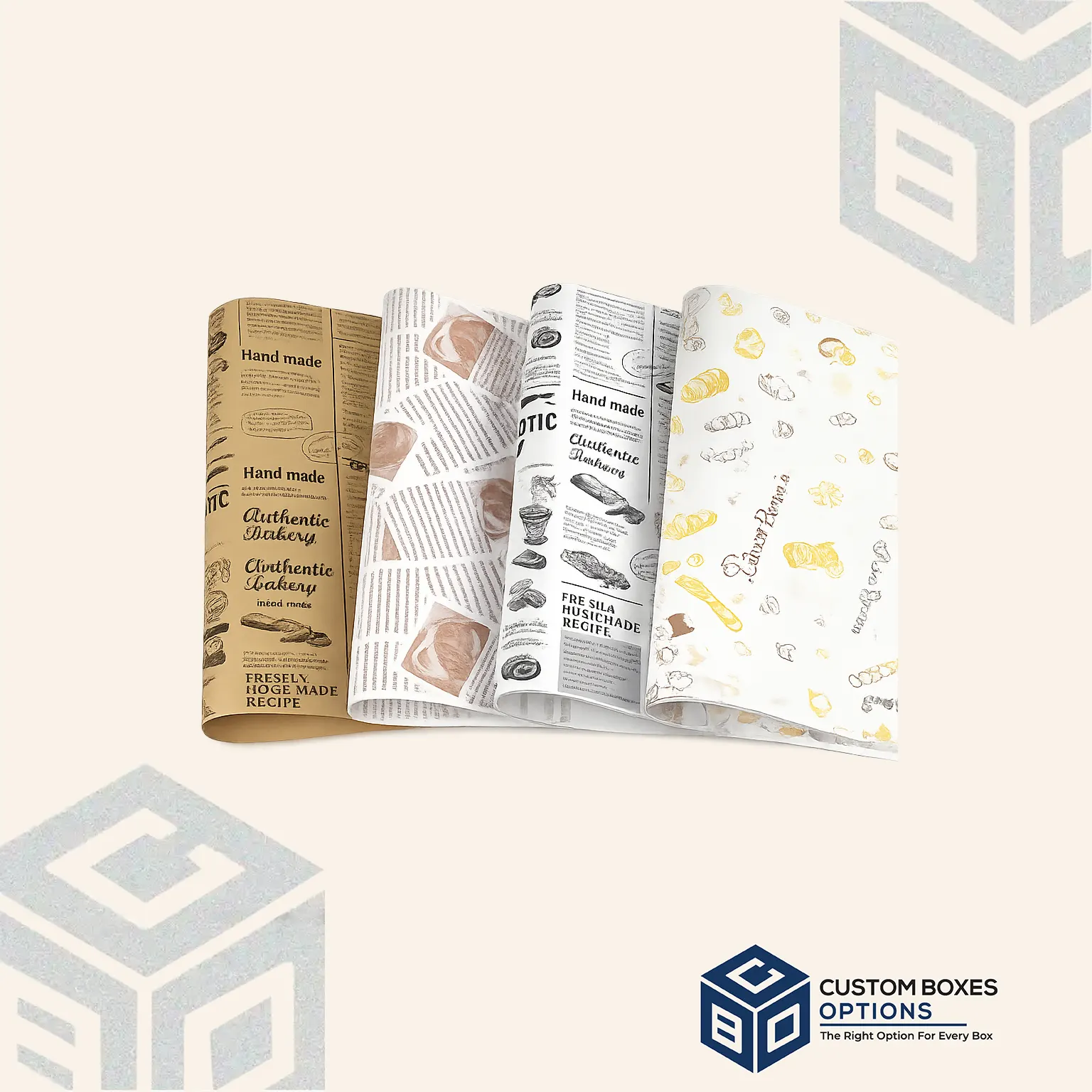
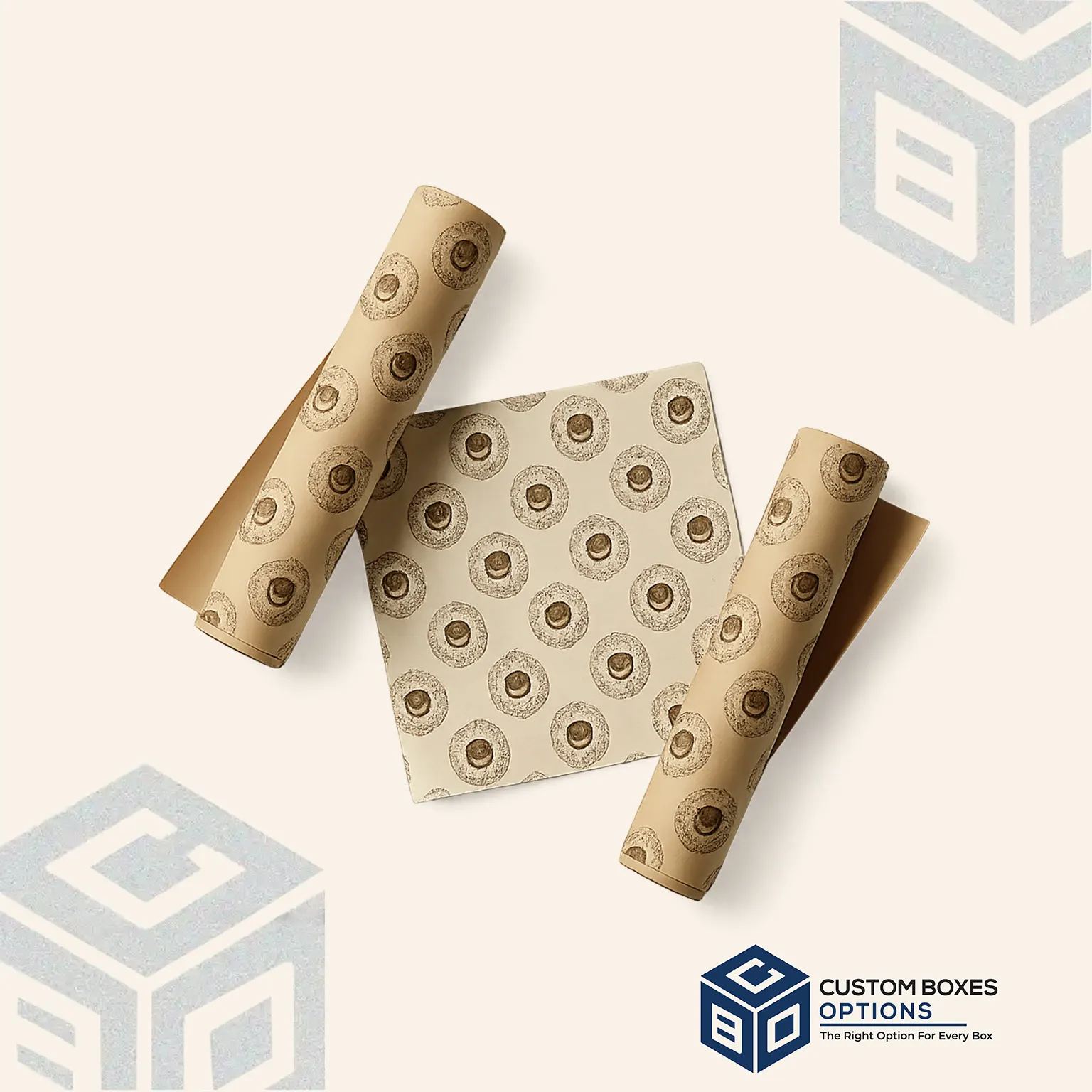
Custom Parchment Paper is the only grade in our range that goes into an oven. Heat resistance to around 450°F, a naturally non-stick surface, and enough wet strength to survive steam make it the working sheet of any bakery or production kitchen. We supply true vegetable parchment and silicone-coated grades in sheets, pan liners, and rolls, bleached or unbleached, printed with food-safe inks. Sizing runs from half-sheet pans to custom die-cut rounds. Our bulk box supplier team specs grade against your oven temperature and bake time. Request free physical samples before your first production order.
Free Shipping
Free Design Support
Starting from:
$1.00 Original price was: $1.00.$0.50Current price is: $0.50.
In Stock
Every other grade across our printed food wrap range works at ambient, chilled, or briefly warm temperatures. Custom Parchment Paper is the exception. It sits at 400°F for twenty minutes and comes out intact, which is a genuinely different material requirement from anything else we produce.
Retail and trade use “parchment” for two different things, and knowing which you are buying matters.
Both are legitimate. Vegetable parchment holds up better under repeated use and steam; silicone-coated is more economical for single-use lining. We quote both and will tell you which fits your application.
This is what separates parchment from Custom Greaseproof Paper most clearly. Greaseproof blocks oil well but weakens when saturated. Parchment holds together when wet.
That matters for steaming, for en papillote cooking, and for anything where the sheet sits against moisture at temperature. It is also why parchment survives being lifted out of a pan with food still on it, where a lesser sheet tears.
Bleached parchment is white and gives the cleanest print reproduction. Unbleached is a natural tan and skips the chlorine bleaching stage entirely.
Performance is effectively identical. The decision is brand-led: unbleached signals natural production and suits artisan positioning, while white reads cleaner in a clinical or premium context. Brands that pair uncoated stock across their range often choose unbleached to match Custom Kraft Paper used elsewhere in the operation.
Around 450°F is the working ceiling for most grades. Beyond that, the sheet darkens, embrittles, and eventually scorches.
Two practical warnings. Parchment overhanging a pan edge under a top element browns and can ignite — trim to the pan. And parchment is not a broiler material at any grade.
If your application never sees an oven, you probably do not need parchment. Cold and ambient wrapping is better served by Custom Wax Paper, and hot-hold wrapping by Custom Hot Paper.
Parchment is the heat grade. Butter wrapping uses Custom Butter Paper, cheese needs the breathing envelope of Custom Cheese Paper, and semi-translucent presentation belongs to Custom Glassine Paper. Sealed lidding runs on Custom Heat Seal Paper.
Printing on parchment needs a specific approach because ink that is fine at room temperature can discolor at 425°F.
We use food-safe inks rated for oven exposure and recommend keeping coverage light, a border treatment, or repeating small marks rather than heavy solid fill. Dense ink under sustained heat is where discoloration shows first.
Bakeries printing across formats usually carry one design from parchment liners onto Custom Bakery Boxes, so the sheet visible under the pastry matches the box it goes home in.
Working with a single custom carton manufacturer across paper and board keeps that color consistent between an uncoated sheet and a printed carton. Request a free quote and physical samples for your Custom Parchment Paper, and we will confirm the grade against your oven temperature first.
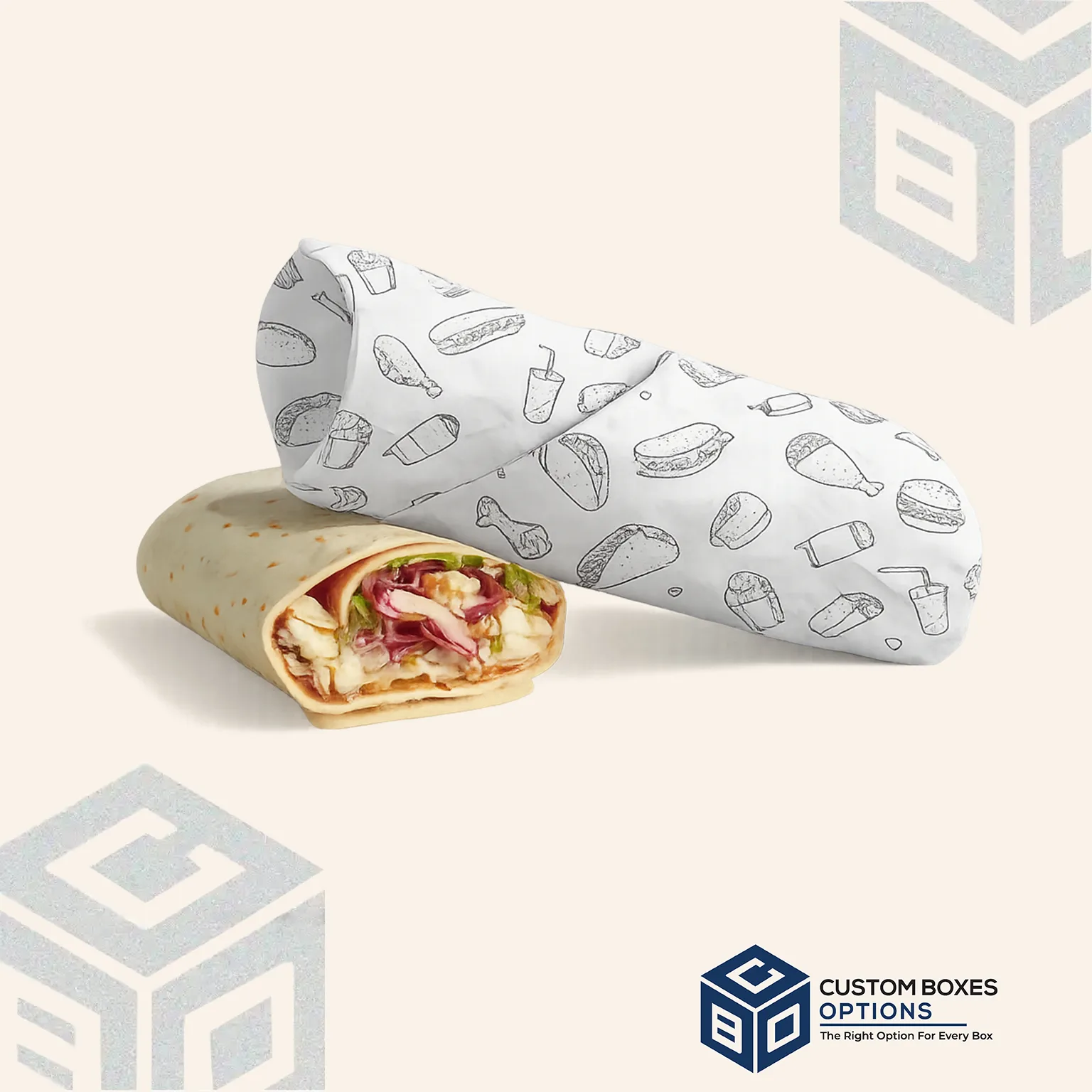
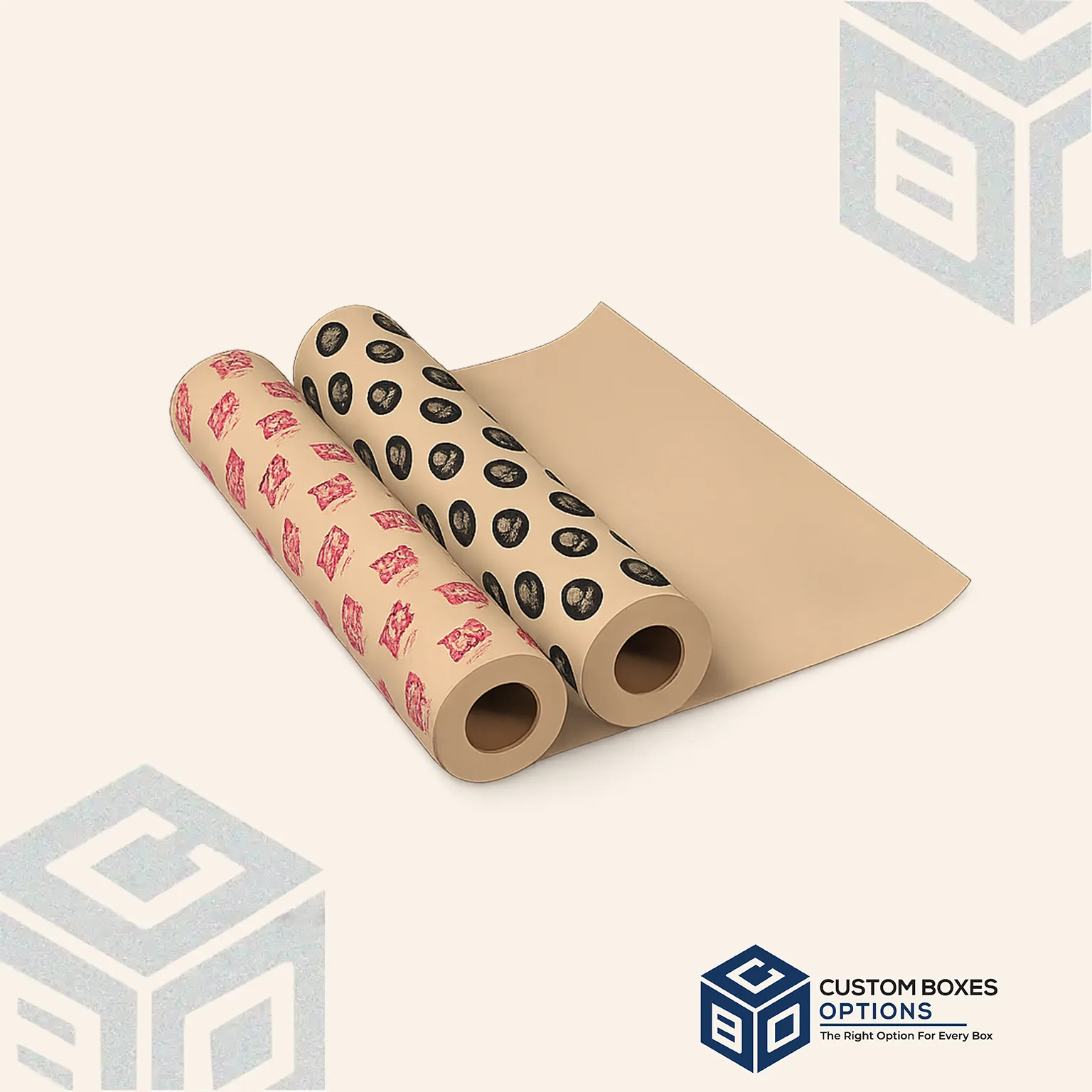
Reviews
There are no reviews yet.